
Which Plant Should You Grow?
Not sure which variety or type of plant to grow? Our side-by-side comparisons help you understand the differences between similar plants so you can make the best choice for your garden.
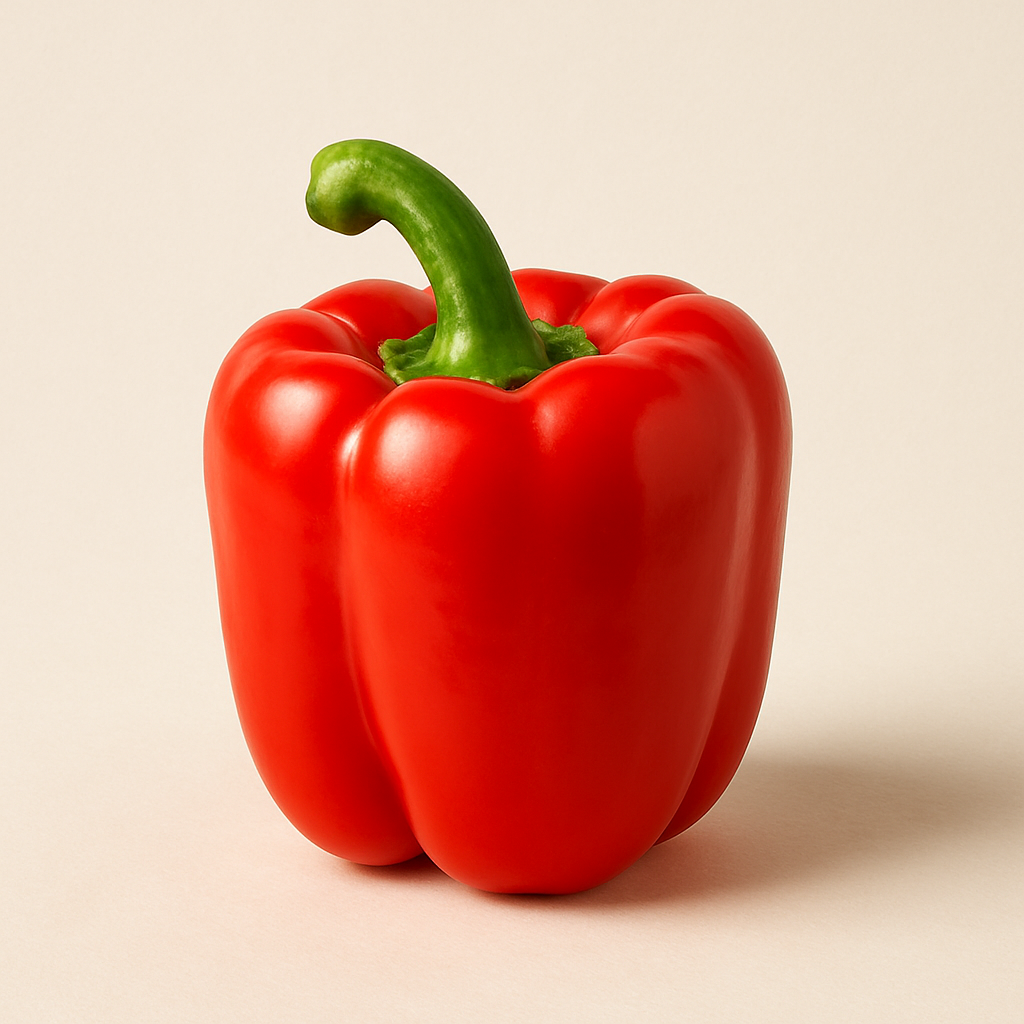 Bell Pepper
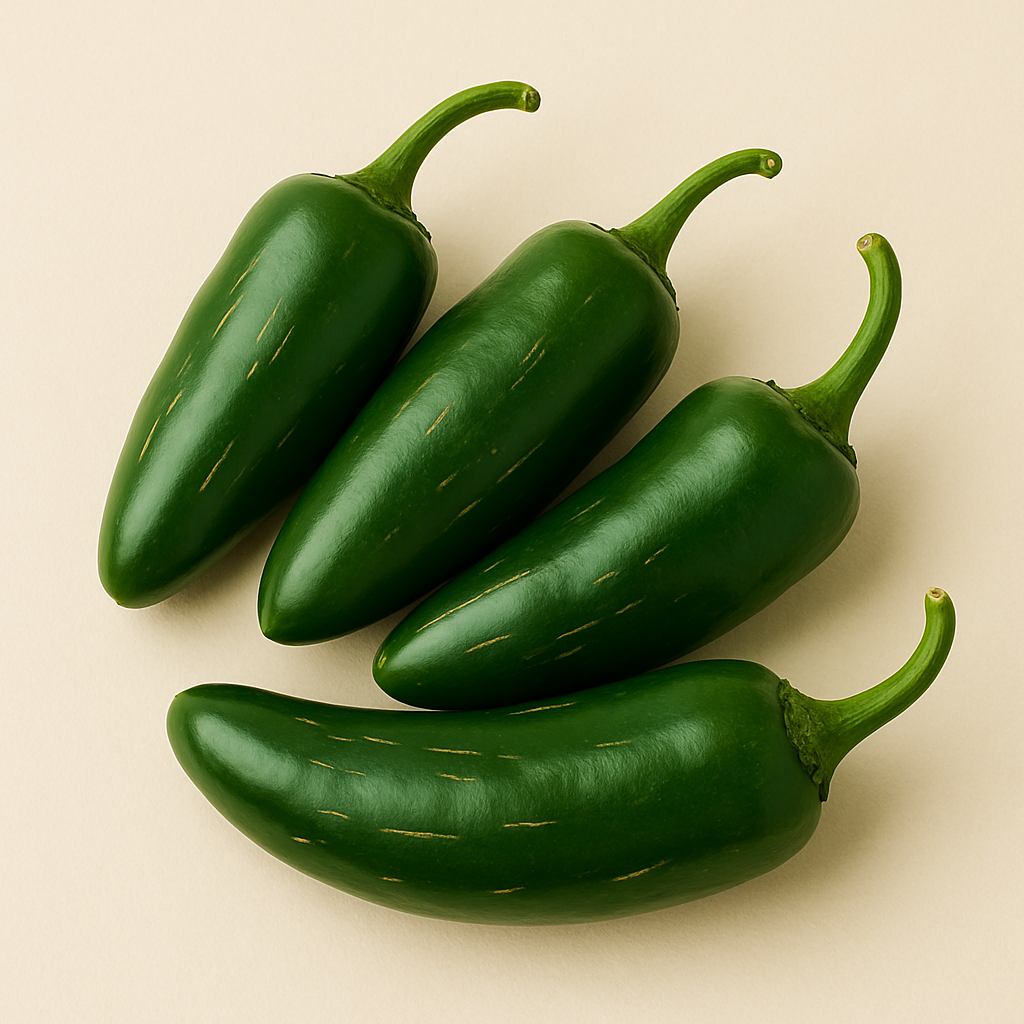 Jalapeño
Bell Pepper vs Jalapeño
Bell peppers are sweet with zero heat (0 Scoville units), while jalapeños are mildly hot (2,500-8,000 Scoville units). Both are easy to grow and have similar cultivation needs, but bell peppers take longer to mature (60-90 days vs 70-80 days for jalapeños). Choose bell peppers for cooking versatility and stuffing; choose jalapeños for adding heat to salsas, nachos, and Mexican dishes.
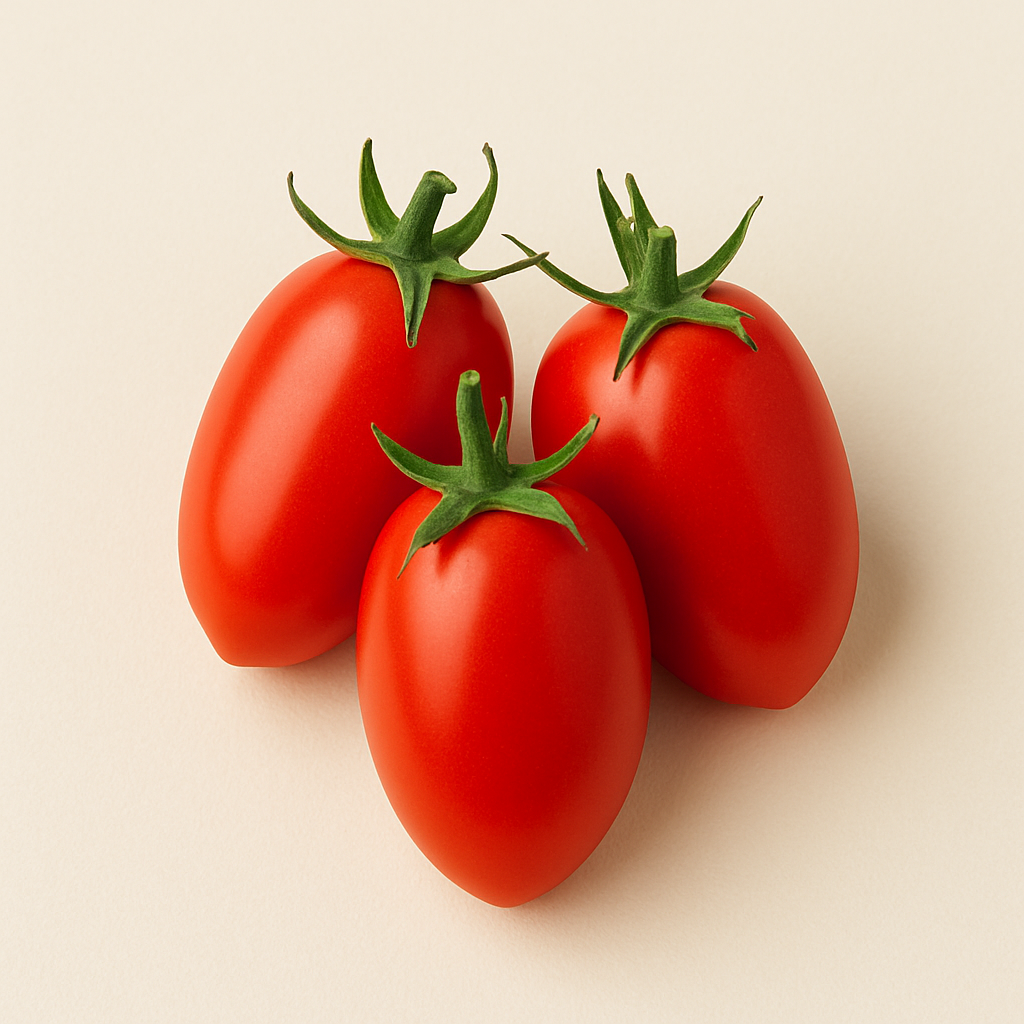 Roma Tomato
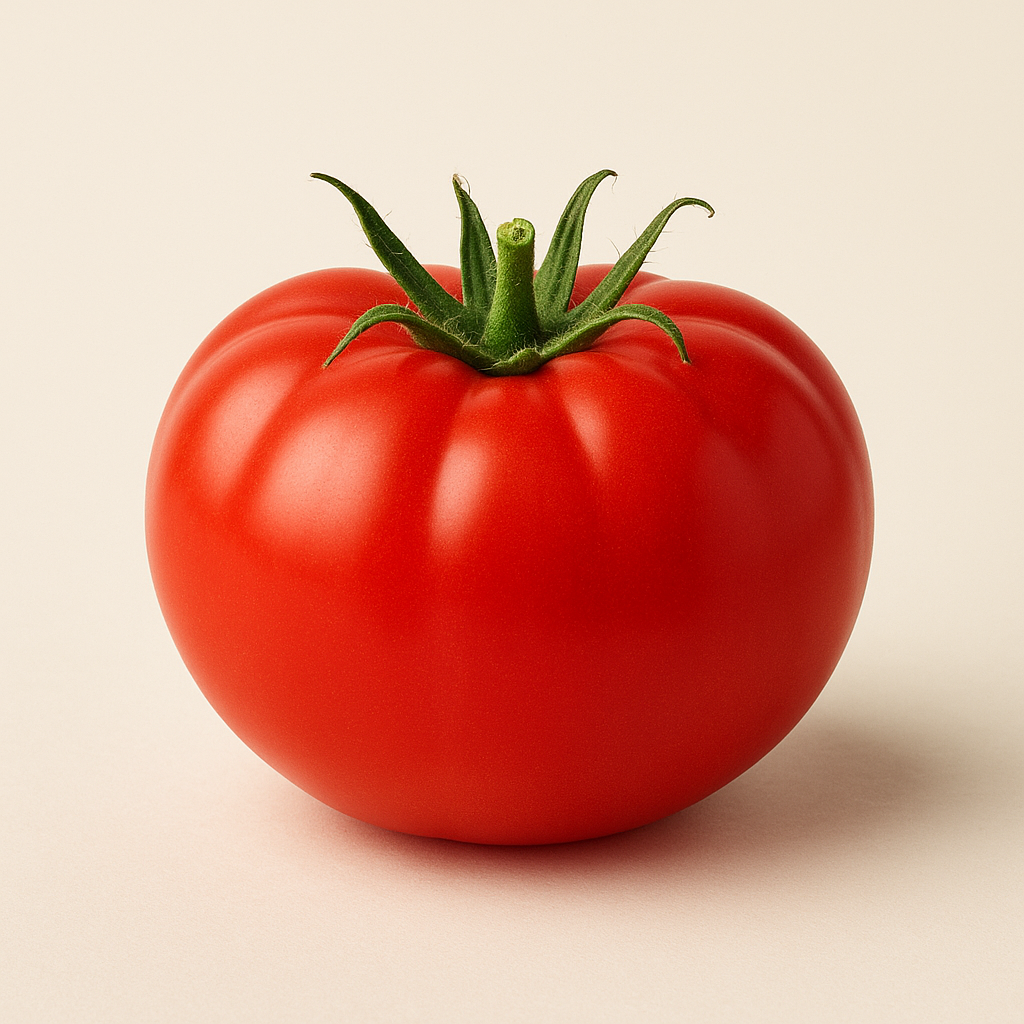 Beefsteak Tomato
Roma Tomato vs Beefsteak Tomato
Roma tomatoes are paste tomatoes—meaty, low-moisture, and ideal for sauces, canning, and cooking. Beefsteak tomatoes are large slicing tomatoes with juicy flesh, perfect for sandwiches, burgers, and fresh eating. Romas are easier to grow (determinate, disease-resistant) while beefsteaks require more care (indeterminate, need staking) but reward you with classic tomato flavor.
 Spearmint
 Peppermint
Spearmint vs Peppermint
Spearmint has a sweet, mild flavor perfect for cooking, mojitos, and teas. Peppermint has intense menthol punch—cooling and medicinal—ideal for desserts, candy, and digestive remedies. Spearmint contains almost no menthol; peppermint is 40% menthol. Both grow aggressively and need containment. For cooking, grow spearmint. For that classic "candy cane" flavor, grow peppermint.
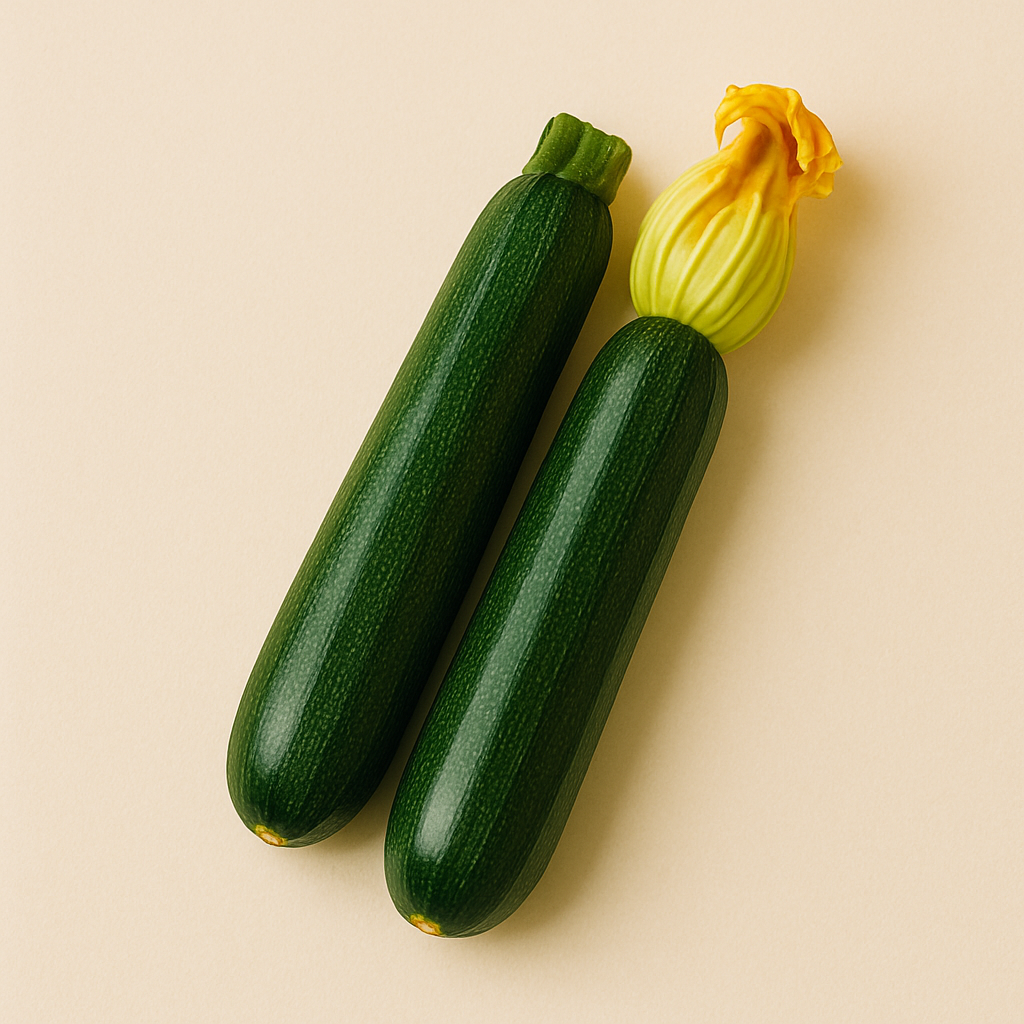 Zucchini
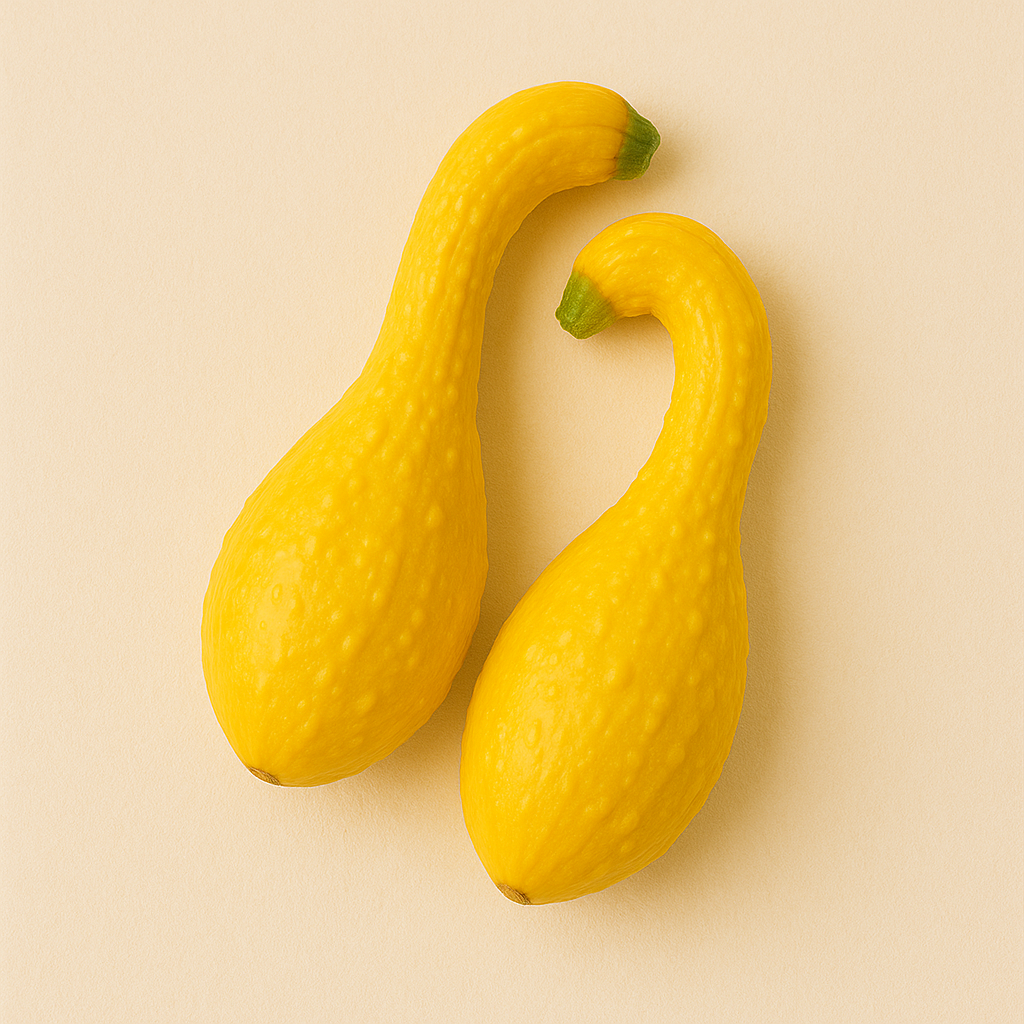 Yellow Squash
Zucchini vs Yellow Squash
Zucchini and yellow squash are both summer squash with nearly identical growing requirements and similar mild flavors. The main differences: zucchini is dark green with dense, slightly firmer flesh; yellow squash (crookneck or straightneck) is yellow with softer, more watery flesh. Zucchini holds up better in cooking; yellow squash cooks down faster. Both are interchangeable in most recipes.
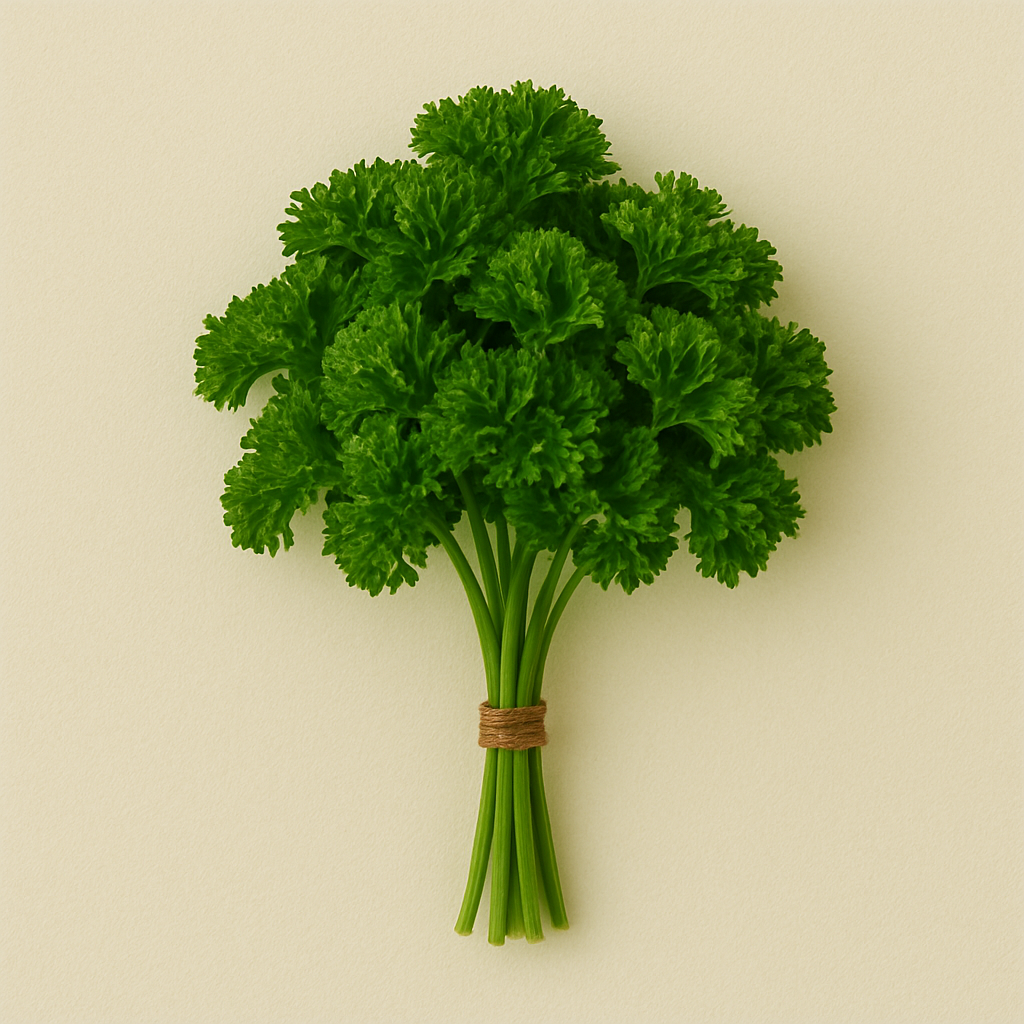 Curly Parsley
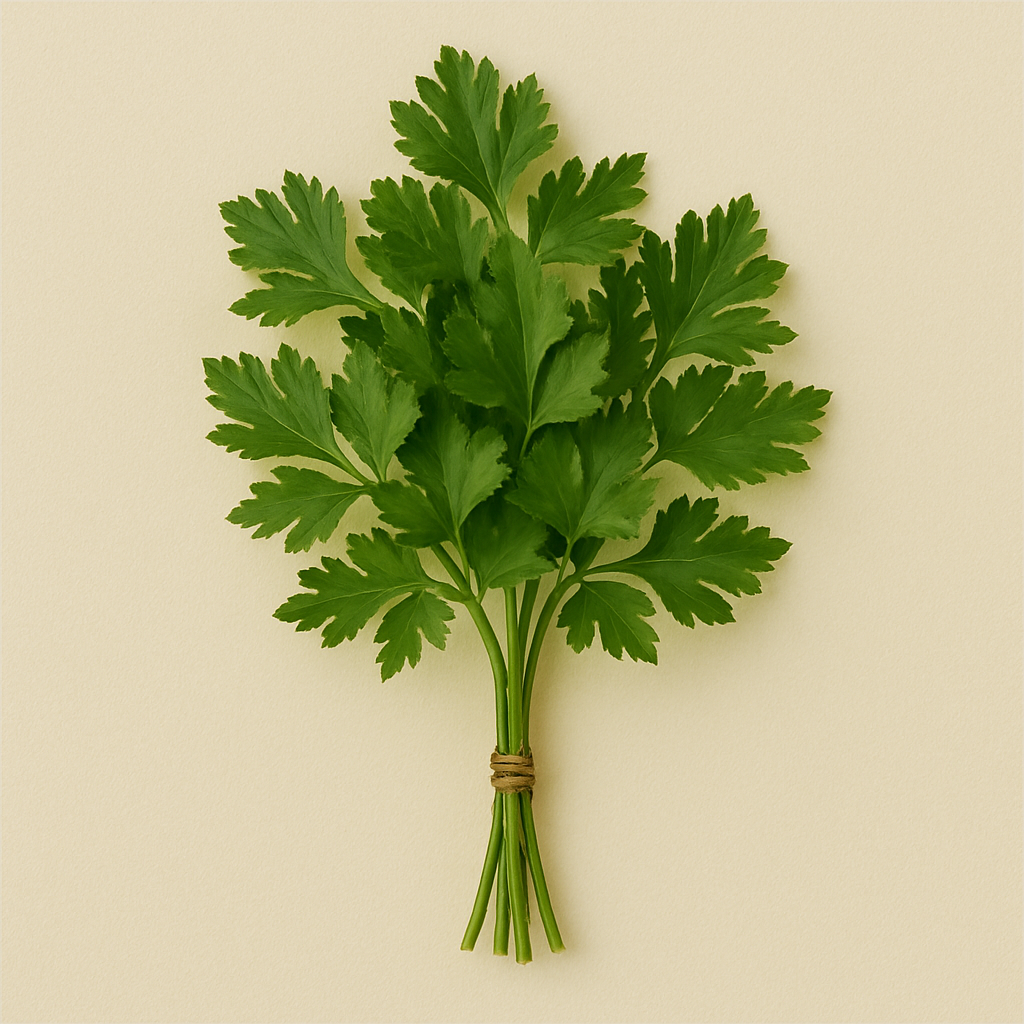 Italian Parsley
Curly Parsley vs Italian Parsley
Italian (flat-leaf) parsley has stronger, more complex flavor and is preferred for cooking. Curly parsley is milder and primarily used as a garnish. Chefs overwhelmingly choose Italian parsley for recipes; curly parsley's main advantage is its decorative ruffled appearance. Both grow identically and are biennial herbs that bolt in their second year.
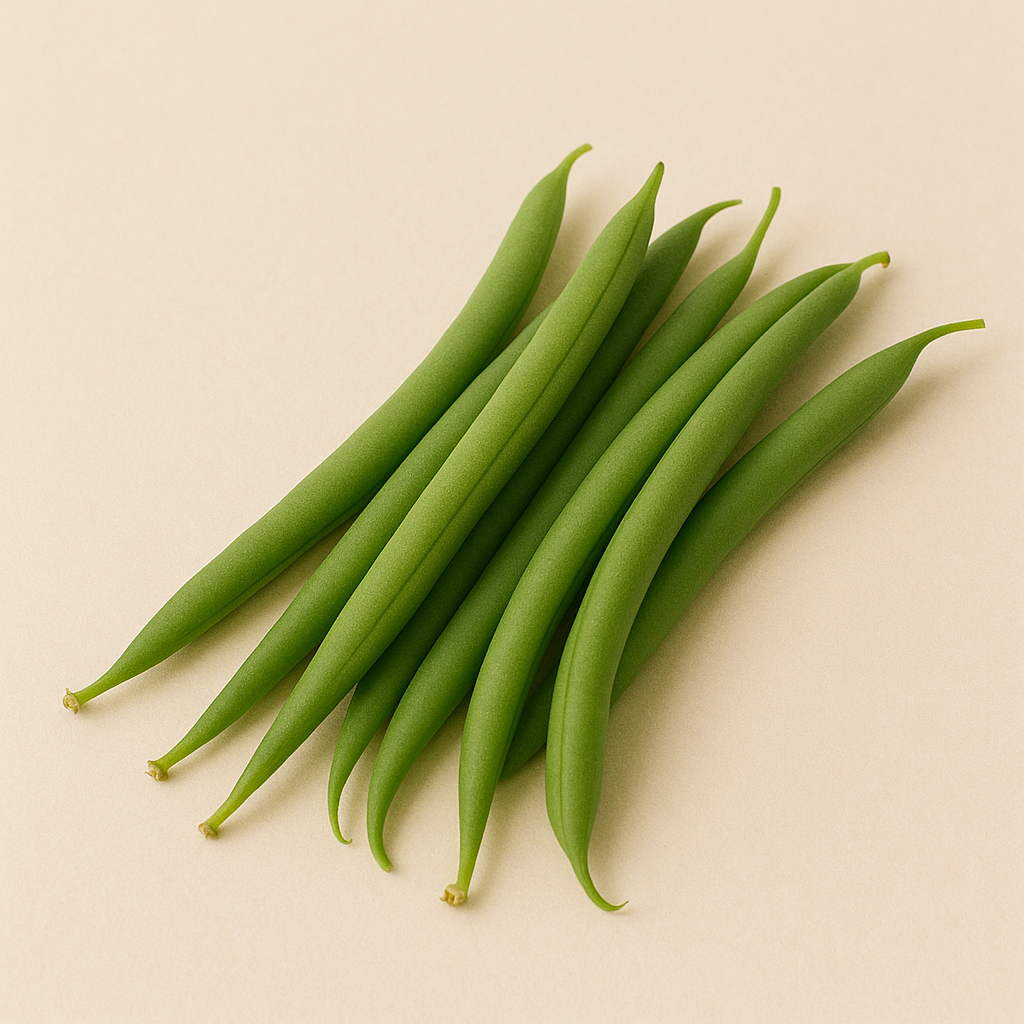 Bush Beans
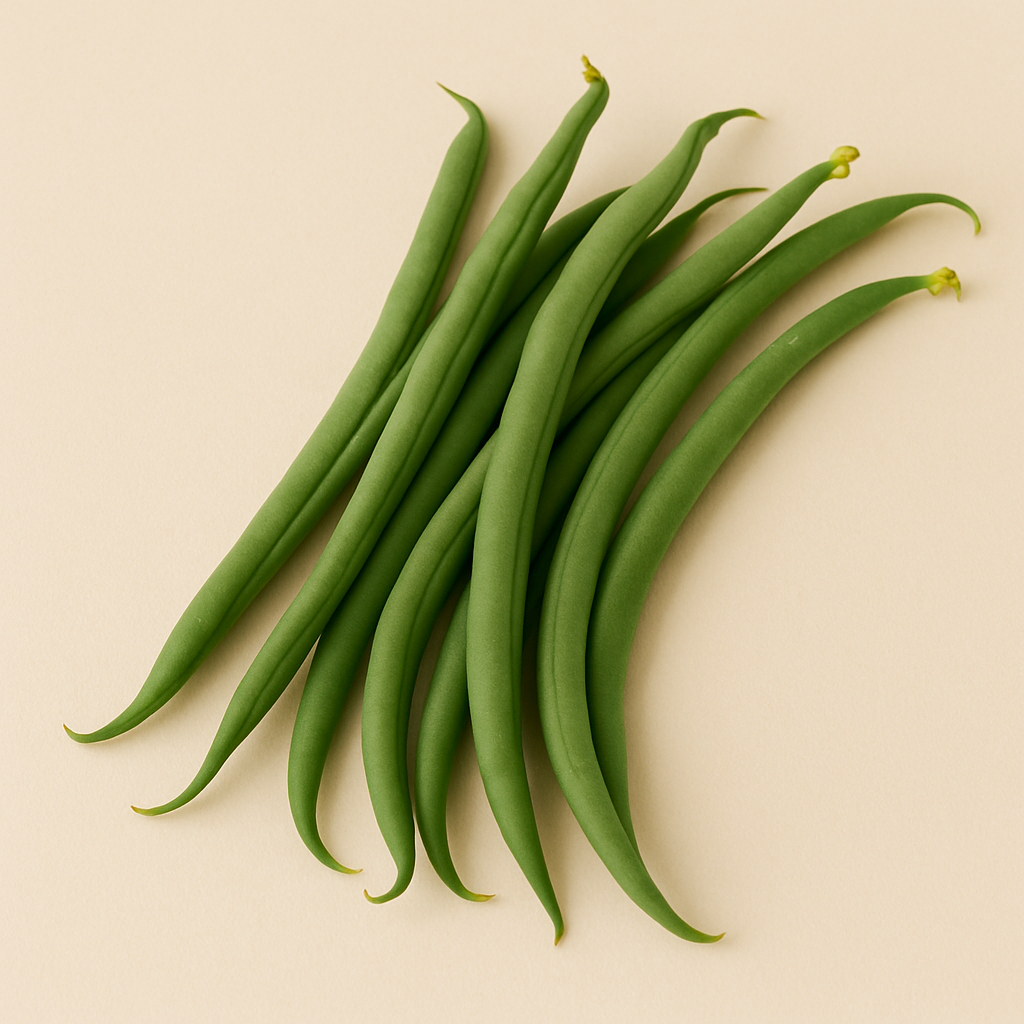 Pole Beans
Bush Beans vs Pole Beans
Bush beans are compact plants (18-24 inches) that produce heavily for 2-3 weeks then stop—perfect for canning and freezing. Pole beans are climbing vines (8-10 feet) that produce steadily all season—ideal for fresh eating over months. Bush beans require no support and mature faster; pole beans need trellising but yield more total beans per plant.
Why Compare Plants Before Planting?
Choosing the right plant variety can make the difference between a successful harvest and a disappointing season. Different varieties have different growing requirements, flavor profiles, and best uses in the kitchen.
Our plant comparisons cover everything you need to know: growing difficulty, days to maturity, space requirements, flavor differences, and culinary uses. Whether you're deciding between tomato varieties for sauce-making or choosing the right pepper for your heat tolerance, we help you make an informed decision.
Each comparison includes a quick reference table, detailed growing information, and our recommendation based on common gardening goals. We also answer frequently asked questions to help you choose with confidence.