
Bush Beans vs Pole Beans: Which Should You Grow?
Bush beans are compact plants (18-24 inches) that produce heavily for 2-3 weeks then stop—perfect for canning and freezing. Pole beans are climbing vines (8-10 feet) that produce steadily all season—ideal for fresh eating over months. Bush beans require no support and mature faster; pole beans need trellising but yield more total beans per plant.
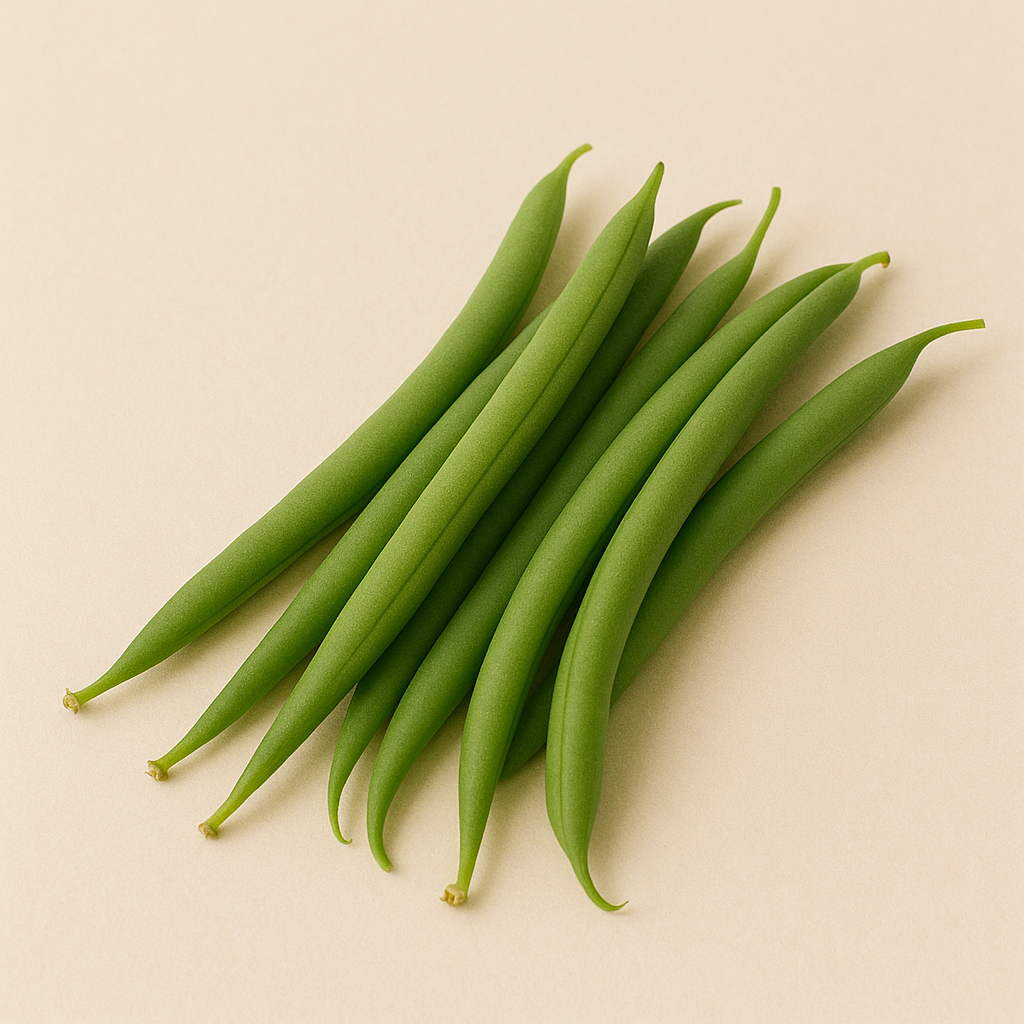
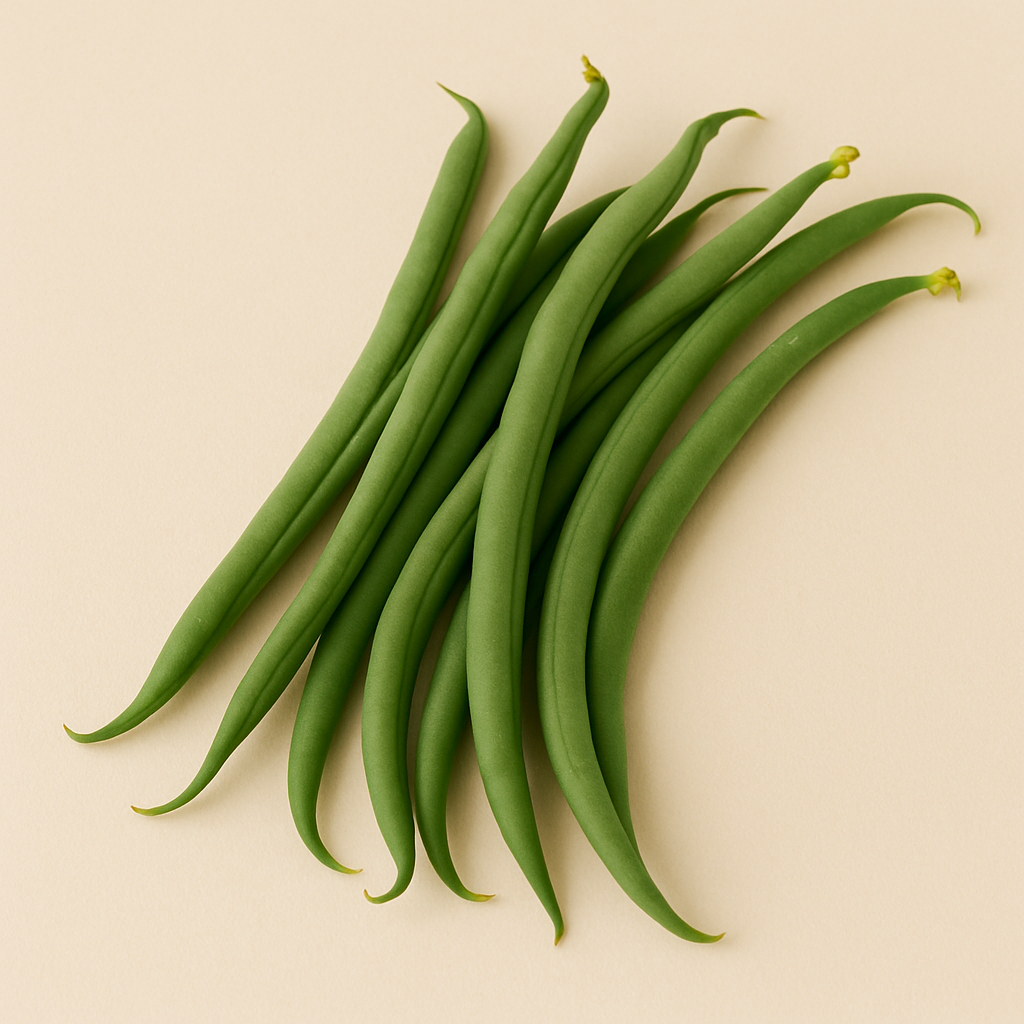
| Attribute | Bush Beans | Pole Beans |
|---|---|---|
| Plant Height | 18-24 inches (compact) | 8-10 feet (climbing) |
| Support Needed | None | Trellis or poles required |
| Days to Maturity | 50-55 days | 60-70 days |
| Harvest Pattern | 2-3 week concentrated | Continuous until frost |
| Total Yield | 1/2 lb per plant | 1-2 lbs per plant |
| Space Efficiency | Horizontal space | Vertical space |
| Best For | Canning, freezing | Fresh eating, small space |
Growth Habit & Space
Bush beans grow as compact, self-supporting plants—plant them in rows or blocks, no setup required. They're ideal for traditional garden rows and raised beds. Pole beans are vigorous climbers that need 6-8 foot tall support—teepees, trellises, or fences. Pole beans use vertical space efficiently, producing more beans per square foot of ground, making them excellent for small gardens.
Yield & Harvest Pattern
Bush beans mature fast and produce their entire crop over 2-3 weeks. This concentrated harvest is perfect for canning or freezing batches. Plant successions 2 weeks apart for continuous harvest. Pole beans take longer to start but then produce continuously until frost, giving you fresh beans for months. Pick every 2-3 days to keep plants producing. Total yield per pole bean plant is roughly double that of bush beans.
Maintenance & Disease
Bush beans are lower maintenance—no training vines, no trellis setup. They finish quickly, so you can clear them and plant fall crops. Pole beans require initial trellis setup and occasional vine training, but keeping pods off the ground reduces disease and makes harvesting easier (no bending!). Both are susceptible to Mexican bean beetles and rust; pole beans' better airflow can reduce disease pressure.
Grow bush beans if: you want big harvests for preserving, you don't want to build trellises, or you're succession planting through summer. Grow pole beans if: you want fresh beans all season, you have limited ground space, or you prefer harvesting standing up. The "right" answer often is both—bush beans for early season canning, pole beans for ongoing fresh eating.
Which type produces more beans overall?
Pole beans produce more per plant (1-2 lbs vs 1/2 lb) and more per square foot because they grow vertically. However, bush beans can be planted more densely. For pure volume, pole beans win; for ease, bush beans are simpler.
Can I grow pole beans without a trellis?
Not effectively—they'll sprawl on the ground, get diseases, and produce poorly. You need support at least 6 feet tall. Simple options: teepee of bamboo stakes, fence, or cattle panel arch. The structure is reusable for years.
Do bush and pole beans taste different?
Some gardeners insist pole bean varieties (especially heirlooms like Kentucky Wonder) have superior flavor. Practically, both types include excellent and mediocre varieties. Choose specific varieties known for flavor rather than choosing by growth type.
Which is better for beginners?
Bush beans are easier—plant, water, harvest, done. No trellis building, no vine training. But pole beans aren't difficult once the trellis is up. If you're overwhelmed, start with bush beans. If you enjoy projects, pole beans reward the setup.
More Comparisons
Bell Pepper vs Jalapeño
Bell peppers are sweet with zero heat (0 Scoville units), while jalapeños are mildly hot (2,500-8,00...
Roma Tomato vs Beefsteak Tomato
Roma tomatoes are paste tomatoes—meaty, low-moisture, and ideal for sauces, canning, and cooking. Be...
Spearmint vs Peppermint
Spearmint has a sweet, mild flavor perfect for cooking, mojitos, and teas. Peppermint has intense me...