
Curly Parsley vs Italian (Flat-Leaf) Parsley
Italian (flat-leaf) parsley has stronger, more complex flavor and is preferred for cooking. Curly parsley is milder and primarily used as a garnish. Chefs overwhelmingly choose Italian parsley for recipes; curly parsley's main advantage is its decorative ruffled appearance. Both grow identically and are biennial herbs that bolt in their second year.
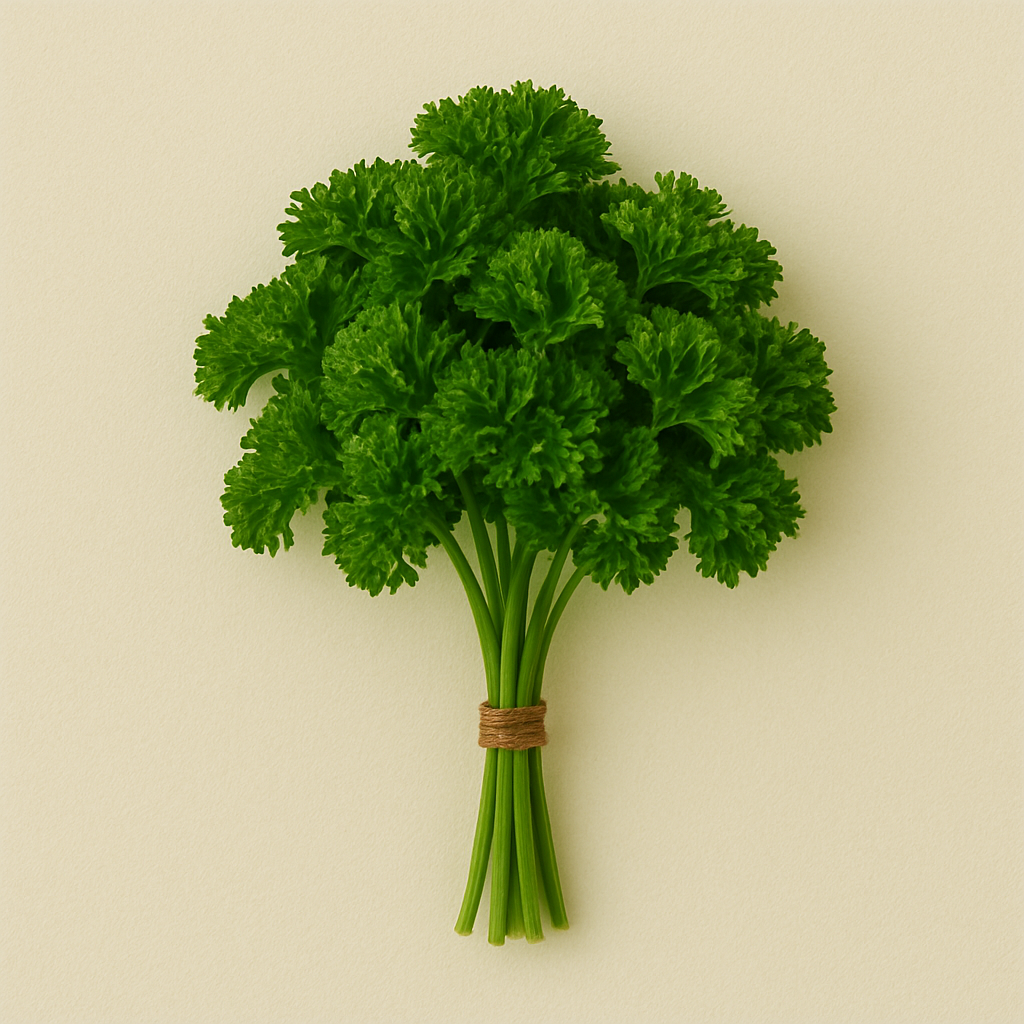
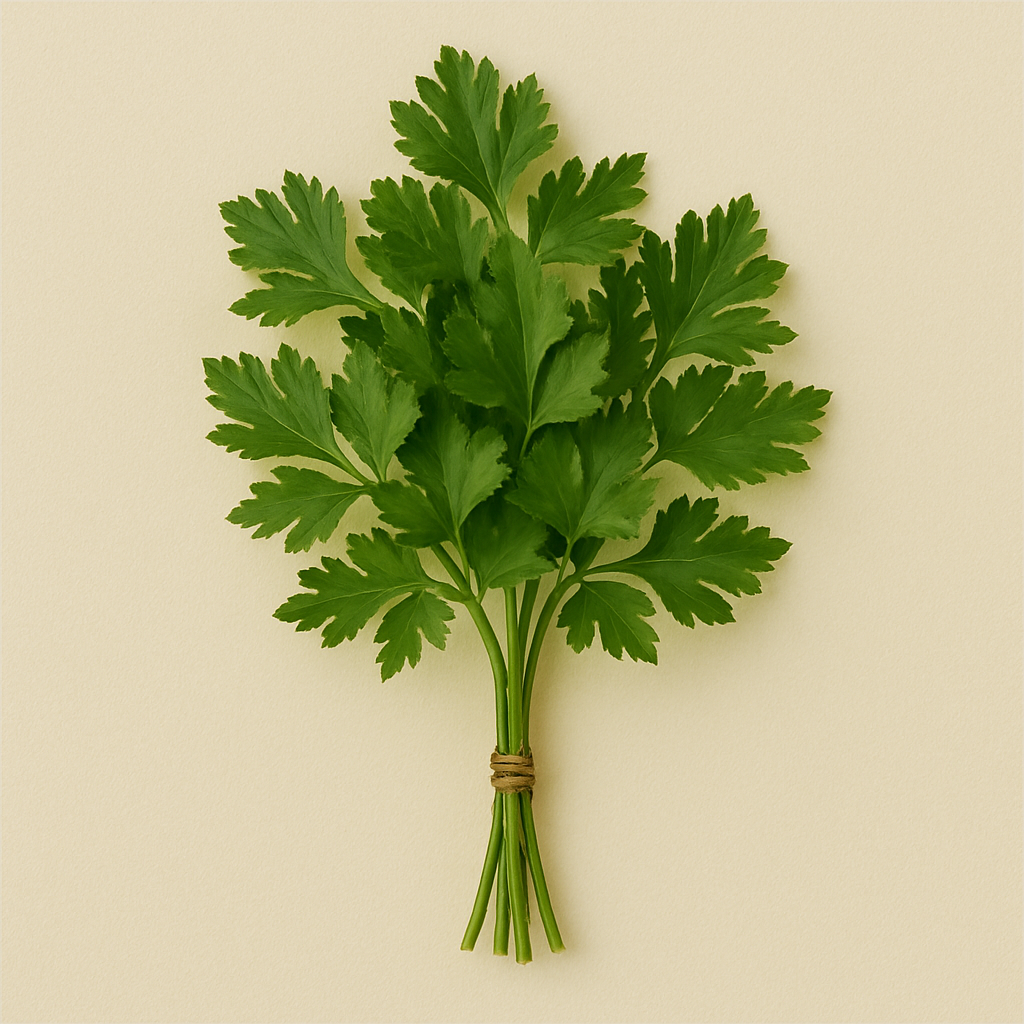
| Attribute | Curly Parsley | Italian Parsley |
|---|---|---|
| Flavor Intensity | Mild, grassy | Strong, complex, peppery |
| Texture | Ruffled, curly leaves | Flat, serrated leaves |
| Primary Use | Garnish | Cooking ingredient |
| Chef Preference | Less common | Industry standard |
| Days to Maturity | 70-90 days | 70-90 days |
| Cold Hardiness | Hardy to 10°F | Hardy to 10°F |
| Difficulty | Easy | Easy |
Flavor Comparison
Italian parsley has a robust, peppery flavor with notes of citrus and anise—it adds real depth to dishes. Curly parsley is milder and slightly bitter, with a grassy taste that doesn't contribute much to cooking. The flavor difference is significant enough that professional recipes almost always specify Italian/flat-leaf parsley. Curly parsley became popular as a garnish because it looks pretty, not because of taste.
Culinary Uses
Italian parsley: essential in chimichurri, gremolata, tabbouleh, and stocks. Add it to pasta, soups, and sauces. Use stems in bouquet garni. Curly parsley: primarily decorative garnish, occasionally added to mild salads. Its texture makes it harder to chop finely. Modern chefs rarely use curly parsley except for presentation—Italian parsley has effectively replaced it in serious cooking.
Growing & Harvest
Both are slow to germinate (2-4 weeks) and biennial, meaning they grow leaves the first year and flower/die the second. Soaking seeds overnight speeds germination. Harvest outer stems first, leaving the center to continue growing. Both tolerate light frost and can be grown year-round in mild climates. Cut-and-come-again harvesting keeps plants productive for months.
Grow Italian (flat-leaf) parsley if you cook regularly—its superior flavor makes it the only parsley worth growing for culinary use. Grow curly parsley only if you want it specifically as a garnish or find the ruffled texture attractive in salads. Most gardeners should choose Italian parsley. It's what recipes mean when they say "parsley" without specifying type.
Which parsley do restaurants use?
Professional kitchens use Italian (flat-leaf) parsley almost exclusively for cooking. Curly parsley appears mainly as plate garnish, though even that practice has declined. When a recipe calls for "parsley," it means Italian unless specifically noted.
Can I substitute curly parsley for Italian?
You can, but you'll need to use more to get comparable flavor—roughly 1.5-2x the amount. The dish will taste milder. In recipes where parsley is a major ingredient (chimichurri, tabbouleh), the difference will be noticeable.
Why is my parsley flowering?
Parsley is biennial—it flowers and sets seed in its second year, then dies. Once it bolts, leaves become bitter. Pull flowering plants and start new ones. In hot climates, parsley may bolt in its first year from heat stress.
Is one type more nutritious?
Both are highly nutritious, packed with vitamins K, C, and A. Italian parsley has slightly higher essential oil content, which contributes to its stronger flavor. Nutritionally, they're similar enough that it doesn't matter—eat whichever you prefer.
More Comparisons
Bell Pepper vs Jalapeño
Bell peppers are sweet with zero heat (0 Scoville units), while jalapeños are mildly hot (2,500-8,00...
Roma Tomato vs Beefsteak Tomato
Roma tomatoes are paste tomatoes—meaty, low-moisture, and ideal for sauces, canning, and cooking. Be...
Spearmint vs Peppermint
Spearmint has a sweet, mild flavor perfect for cooking, mojitos, and teas. Peppermint has intense me...