
Roma vs Beefsteak Tomato: Which Should You Grow?
Roma tomatoes are paste tomatoes—meaty, low-moisture, and ideal for sauces, canning, and cooking. Beefsteak tomatoes are large slicing tomatoes with juicy flesh, perfect for sandwiches, burgers, and fresh eating. Romas are easier to grow (determinate, disease-resistant) while beefsteaks require more care (indeterminate, need staking) but reward you with classic tomato flavor.
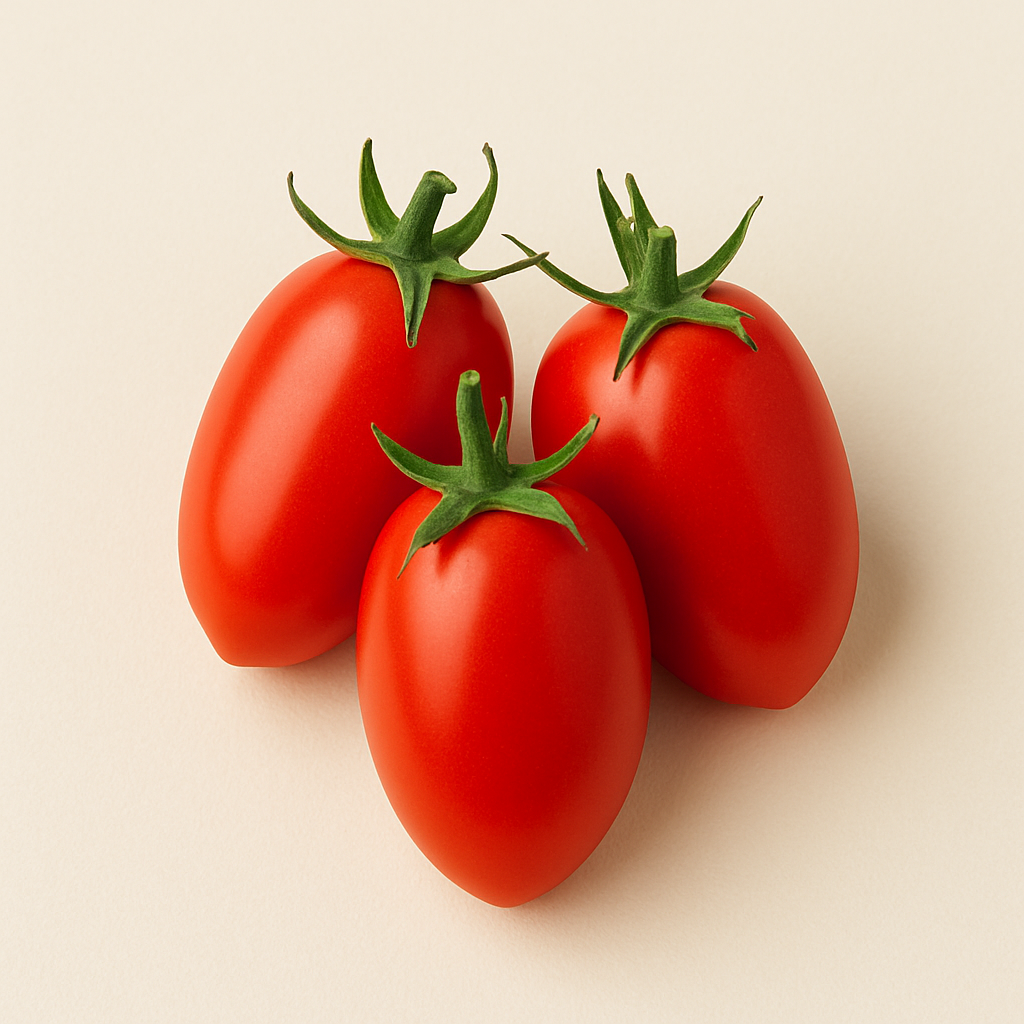
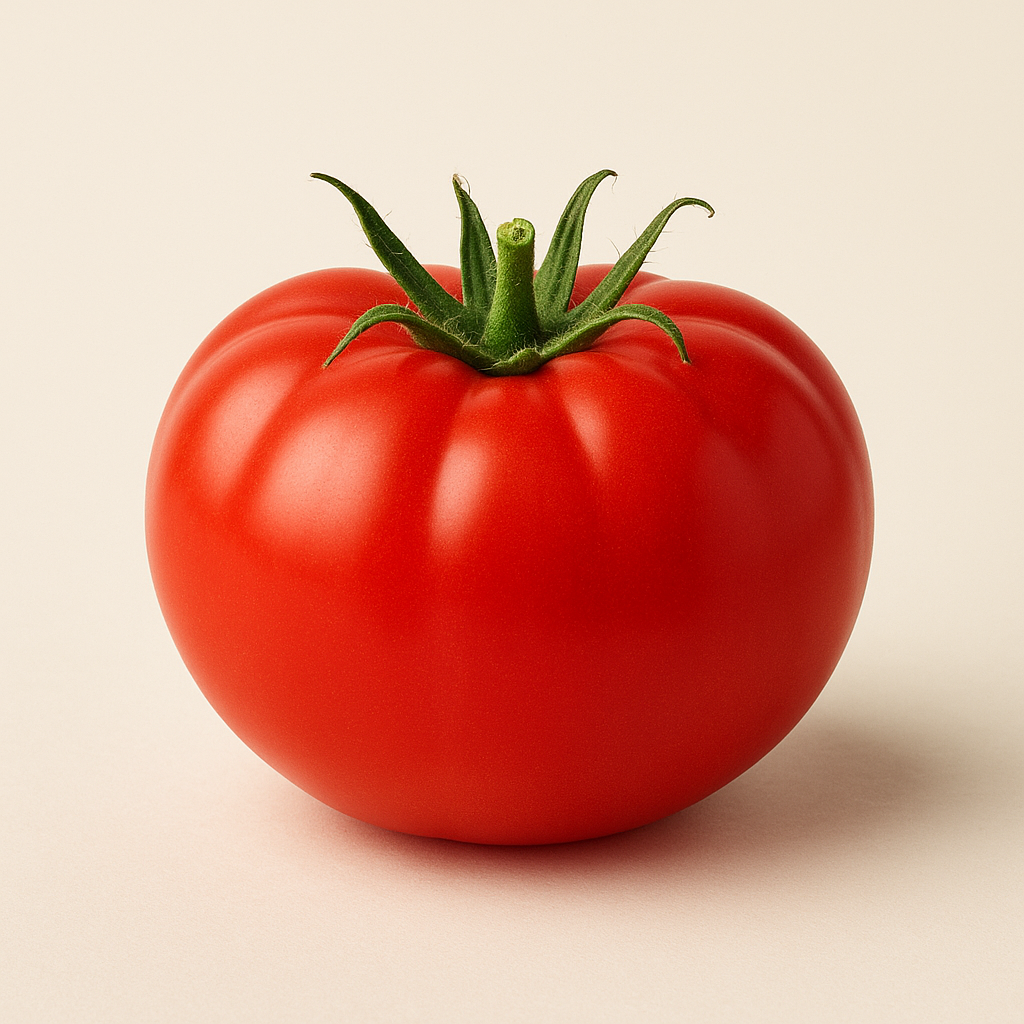
| Attribute | Roma Tomato | Beefsteak Tomato |
|---|---|---|
| Tomato Type | Paste/plum | Slicing/beefsteak |
| Fruit Size | 2-3 oz (plum-shaped) | 10-16 oz (large round) |
| Days to Maturity | 75-80 days | 80-100 days |
| Growth Habit | Determinate (bush) | Indeterminate (vining) |
| Yield | 200+ tomatoes/plant | 15-25 tomatoes/plant |
| Best Uses | Sauce, paste, canning | Slicing, sandwiches, salads |
| Difficulty | Beginner | Intermediate |
Flavor & Texture
Roma tomatoes have dense, meaty flesh with few seeds and low moisture—perfect for cooking down into thick sauces without long reduction times. The flavor is tangy and concentrated. Beefsteak tomatoes are the opposite: juicy, soft, and full of that classic "tomato" flavor with a balance of sweet and acid. A ripe beefsteak eaten fresh is the taste of summer. For BLTs and caprese salads, nothing beats a beefsteak.
Growing Differences
Romas are determinate (bush type)—they grow to a set size, produce fruit over 2-3 weeks, then stop. This makes them easier to manage and ideal for canning since you get a concentrated harvest. Beefsteaks are indeterminate (vining)—they grow continuously until frost, requiring sturdy cages or stakes and regular pruning. Beefsteaks are more prone to cracking and disease but produce over a longer season.
Yield & Harvest
A single Roma plant can produce 200+ small tomatoes, giving you pounds of fruit for sauce-making. Beefsteaks produce fewer fruits (15-25 per plant) but each tomato is substantial—a single beefsteak can cover a sandwich. Romas ripen almost all at once; beefsteaks ripen gradually over months. For preserving and batch cooking, Romas win. For steady fresh eating, beefsteaks excel.
Grow both if you have space—they serve different purposes. If you primarily want tomatoes for sauce, salsa, or canning, grow Romas (try San Marzano for premium paste). If you want fresh slicing tomatoes for sandwiches and salads, grow beefsteaks (Brandywine for heirloom flavor, Big Boy for reliability). Limited space? One beefsteak plant will keep you in fresh tomatoes; Romas need volume to be worthwhile.
Can I use Roma tomatoes for sandwiches?
You can, but they're not ideal—Roma flesh is dense and dry compared to slicing tomatoes. For sandwiches, you'd need to slice them lengthwise and use multiple slices. Beefsteaks or other slicing varieties give you that juicy, meaty slice that covers the whole sandwich.
Can I make sauce from beefsteak tomatoes?
Yes, but it takes longer. Beefsteaks have high water content, so you'll need to cook them down much longer to get a thick sauce. Many people prefer to add a few Romas to their sauce even when using other tomatoes for body and thickness.
Which tomato is more disease-resistant?
Roma varieties (especially hybrids like Roma VF) are generally more disease-resistant than heirloom beefsteaks. Look for disease-resistance codes: V (Verticillium), F (Fusarium), N (Nematodes). Heirloom beefsteaks like Brandywine have excellent flavor but poor disease resistance.
How much space does each type need?
Roma (determinate) plants stay compact—2-3 feet tall and wide, needing a simple cage. Beefsteak (indeterminate) plants grow 6-8 feet tall and need sturdy staking or large cages. Plant Romas 24 inches apart, beefsteaks 36 inches apart.
More Comparisons
Bell Pepper vs Jalapeño
Bell peppers are sweet with zero heat (0 Scoville units), while jalapeños are mildly hot (2,500-8,00...
Spearmint vs Peppermint
Spearmint has a sweet, mild flavor perfect for cooking, mojitos, and teas. Peppermint has intense me...
Zucchini vs Yellow Squash
Zucchini and yellow squash are both summer squash with nearly identical growing requirements and sim...