
Zucchini vs Yellow Squash: What's the Difference?
Zucchini and yellow squash are both summer squash with nearly identical growing requirements and similar mild flavors. The main differences: zucchini is dark green with dense, slightly firmer flesh; yellow squash (crookneck or straightneck) is yellow with softer, more watery flesh. Zucchini holds up better in cooking; yellow squash cooks down faster. Both are interchangeable in most recipes.
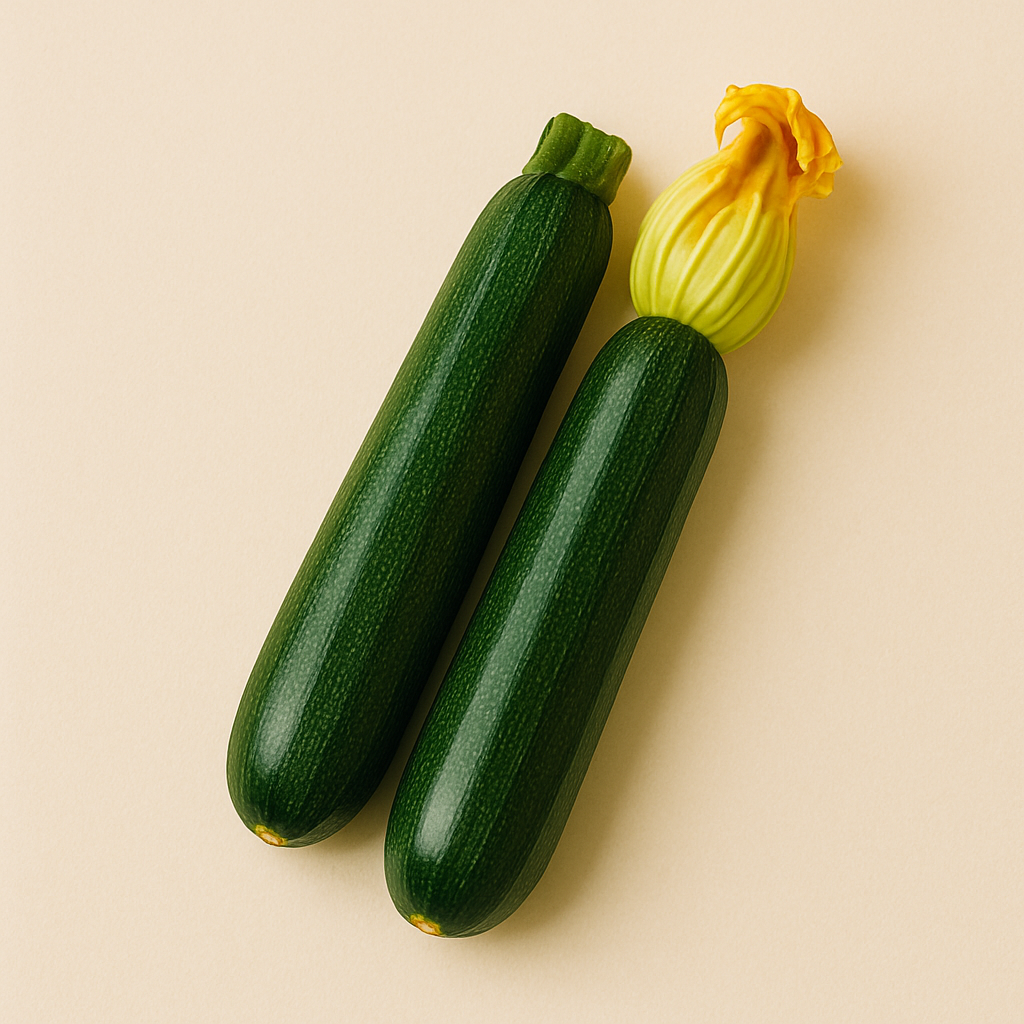
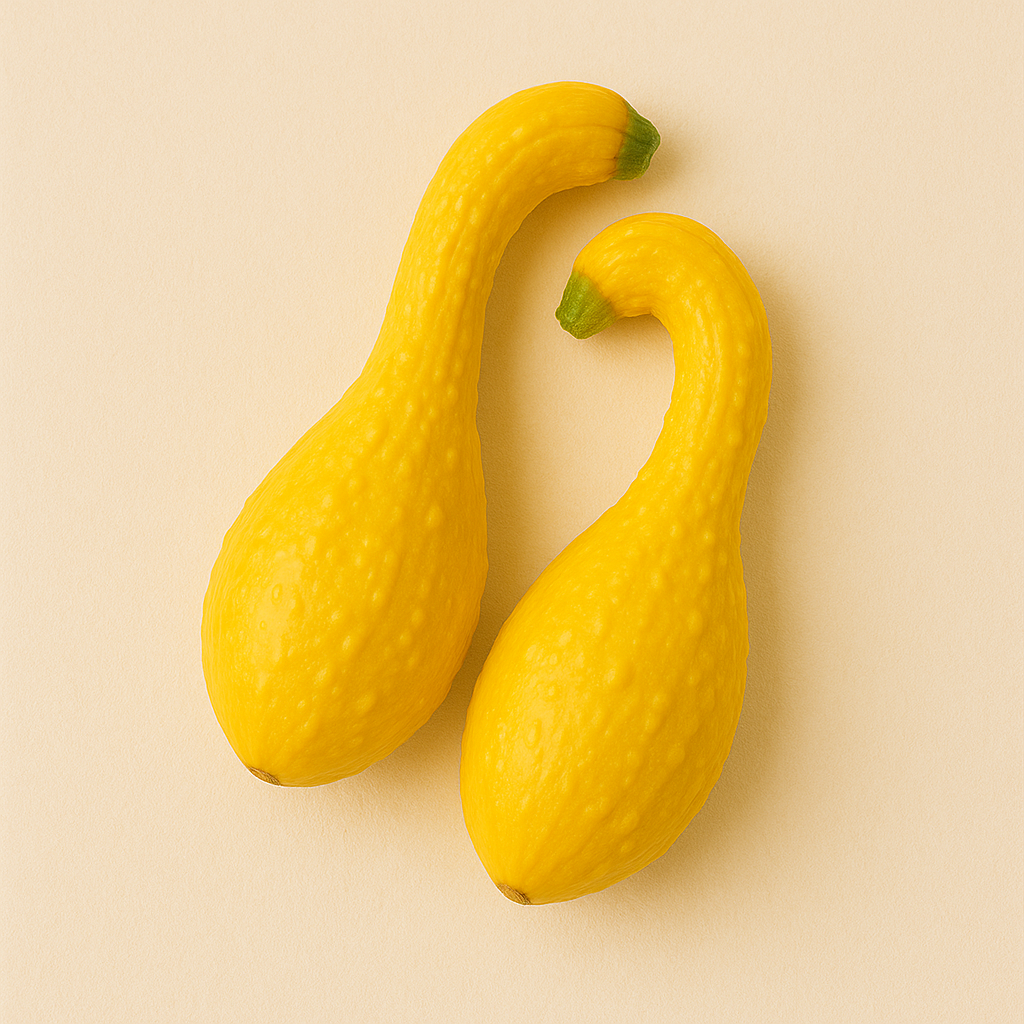
| Attribute | Zucchini | Yellow Squash |
|---|---|---|
| Color | Dark green (some striped) | Yellow |
| Shape | Straight, cylindrical | Straight or crookneck |
| Texture | Firm, dense | Soft, more watery |
| Flavor | Mild, slightly sweet | Mild, buttery |
| Days to Maturity | 45-55 days | 45-55 days |
| Best Uses | Grilling, zoodles, baking | Sautéing, casseroles, soups |
| Yield | Very prolific | Very prolific |
Flavor & Texture
Both have mild, slightly sweet flavors that absorb seasonings well. The practical difference is texture: zucchini is denser and holds its shape better when grilled, roasted, or spiralized into "zoodles." Yellow squash has softer flesh that breaks down faster when cooked, making it ideal for quick sautés, soups, and casseroles where you want it to meld into the dish. Raw, both have similar mild crunch.
Growing & Harvest
Identical growing requirements: full sun, rich soil, consistent water, and warm temperatures. Both are famously prolific—a few plants will bury you in squash. Harvest both when 6-8 inches long for best texture (larger ones get seedy and watery). Check plants daily during peak season; squash can grow several inches overnight. Both are susceptible to powdery mildew and squash vine borers.
Cooking Applications
Zucchini excels at: grilling (holds grill marks), spiralizing into low-carb noodles, zucchini bread, stuffing, and raw in salads. Yellow squash excels at: quick sautés (cooks faster), southern-style squash casserole, pureed soups, and dishes where you want the squash to soften completely. In stir-fries, zucchini gives distinct pieces; yellow squash practically melts.
Grow both for variety—they look beautiful together on a plate and have slightly different textures. If choosing one: pick zucchini if you want versatility (grilling, zoodles, baking) or yellow squash if you primarily sauté or make casseroles. Space-wise, one plant of each will likely give you more squash than you can eat. Plant succession crops 2-3 weeks apart to extend harvest.
Can I substitute zucchini for yellow squash?
Yes, they're interchangeable in most recipes. The main difference is texture—zucchini stays firmer, yellow squash gets softer. Adjust cooking time slightly: yellow squash cooks about 20% faster.
Why is my zucchini yellow?
Some zucchini varieties are yellow (like Golden Zucchini), which can be confusing. True zucchini (even yellow varieties) has a straight shape and dense flesh. Yellow crookneck squash has a curved neck and softer texture. Check the variety name when buying seeds.
Which summer squash is most productive?
Both are extremely prolific—the joke is that gardeners lock their cars in August to prevent neighbors from leaving zucchini inside. Yield is similar: 6-10 pounds per plant. The challenge is keeping up with harvest, not getting enough.
How do I prevent squash from getting huge and seedy?
Harvest daily during peak season when squash are 6-8 inches. Large squash (12+ inches) are watery and full of seeds. If you miss one and it becomes a baseball bat, harvest it anyway—leaving overripe squash on the plant signals to stop producing.
More Comparisons
Bell Pepper vs Jalapeño
Bell peppers are sweet with zero heat (0 Scoville units), while jalapeños are mildly hot (2,500-8,00...
Roma Tomato vs Beefsteak Tomato
Roma tomatoes are paste tomatoes—meaty, low-moisture, and ideal for sauces, canning, and cooking. Be...
Spearmint vs Peppermint
Spearmint has a sweet, mild flavor perfect for cooking, mojitos, and teas. Peppermint has intense me...