
American Ginseng
Panax quinquefolius
Master the cultivation of one of North America's most valuable medicinal herbs. From seed stratification to harvest, a 5-10 year journey to premium roots.
American ginseng (Panax quinquefolius) is one of the most valuable medicinal herbs in the world, with roots selling for $300-$800+ per dried pound depending on quality, age, and whether wild-simulated or cultivated. Native to the deciduous forests of eastern North America, ginseng has been harvested for over 300 years, primarily for export to Asian markets where it is highly prized for its "cooling" properties compared to Asian ginseng's "warming" nature.
Growing ginseng is a long-term investment requiring patience, knowledge, and careful attention to detail. From seed to harvestable root takes 5-10 years, making it one of the longest cultivation cycles of any crop. However, for those willing to invest the time, ginseng offers exceptional returns per acre and can transform marginal woodland into highly productive growing space.
This guide covers everything from seed stratification to harvest, including site selection, planting methods, pest and disease management, and the crucial process of saving seeds to continue your ginseng patch for generations.
Time to Harvest
5-10 years from seed
Hardiness Zones
3-8 (best in 4-7)
Light Requirements
70-80% shade (forest understory)
Soil pH
5.0-6.0 (slightly acidic)
Market Value
$300-$800+ per dried pound
Legal Status
Regulated - permits required in most states
- Exceptional market value - one of highest-value crops per acre
- Utilizes shaded woodland areas unsuitable for other crops
- Low ongoing labor once established
- Seeds can be saved and sold as secondary income
- Sustainable alternative to wild harvesting declining populations
- Can be grown alongside other forest products (mushrooms, ramps)
- Heritage crop with deep American history
- Medicinal value for personal use
- Very long time to harvest (5-10 years)
- Susceptible to multiple diseases, especially in humid conditions
- Requires specific forest conditions that can't be easily replicated
- Deer, rodents, and poaching are constant threats
- Regulated harvest requiring permits and documentation
- Market prices fluctuate significantly
- Cannot be grown in same location twice ("ginseng sickness")
- Requires significant upfront investment in seeds
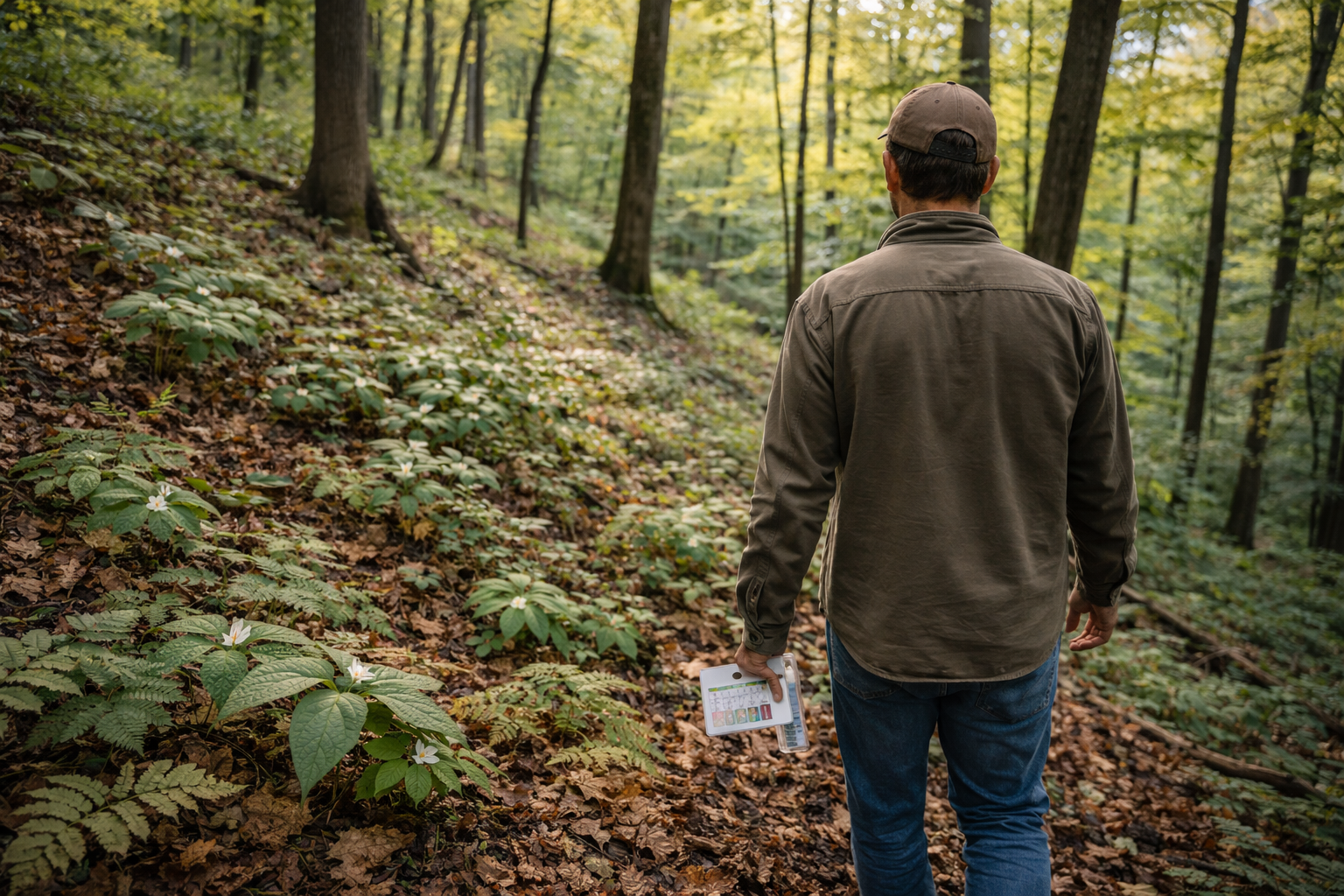
Site Selection
Choose or evaluate a forest site with proper shade, drainage, and soil conditions.
Year before planting
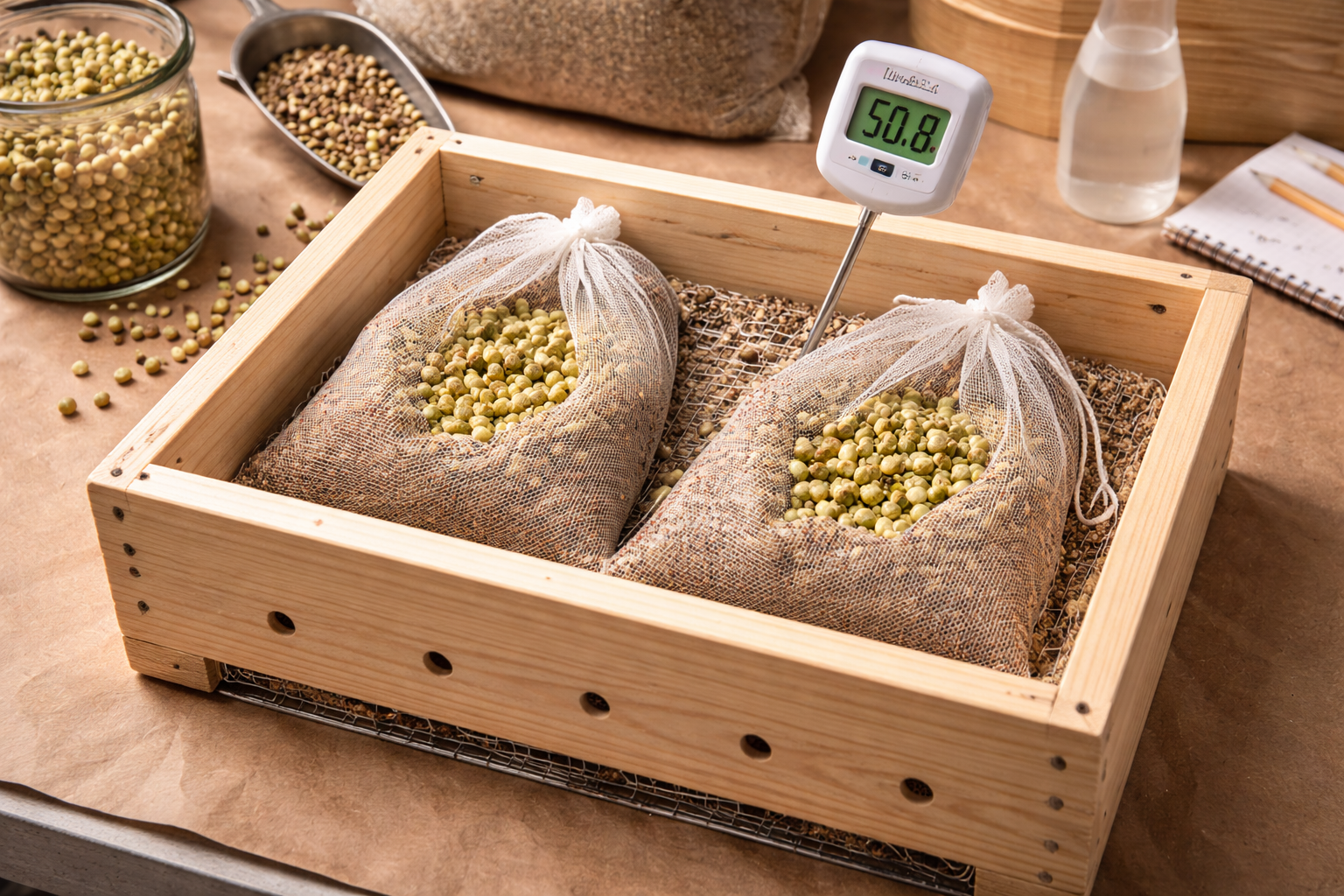
Seed Stratification
Begin stratifying green seeds (18-22 months) or purchase stratified seeds.
18-22 months before planting (green seed)
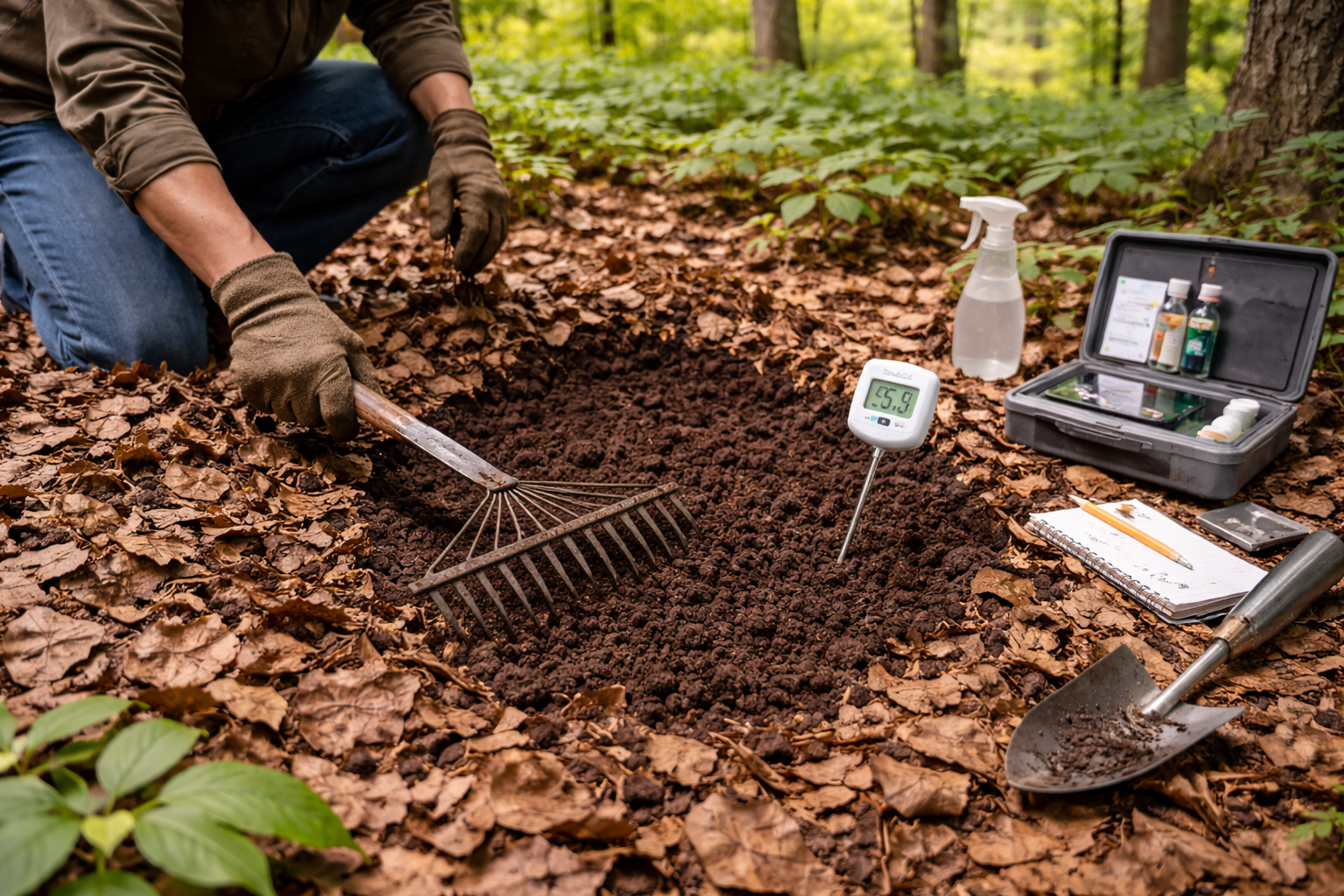
Site Preparation
Minimal preparation—clear invasives, test soil, amend only if necessary.
Late summer before fall planting
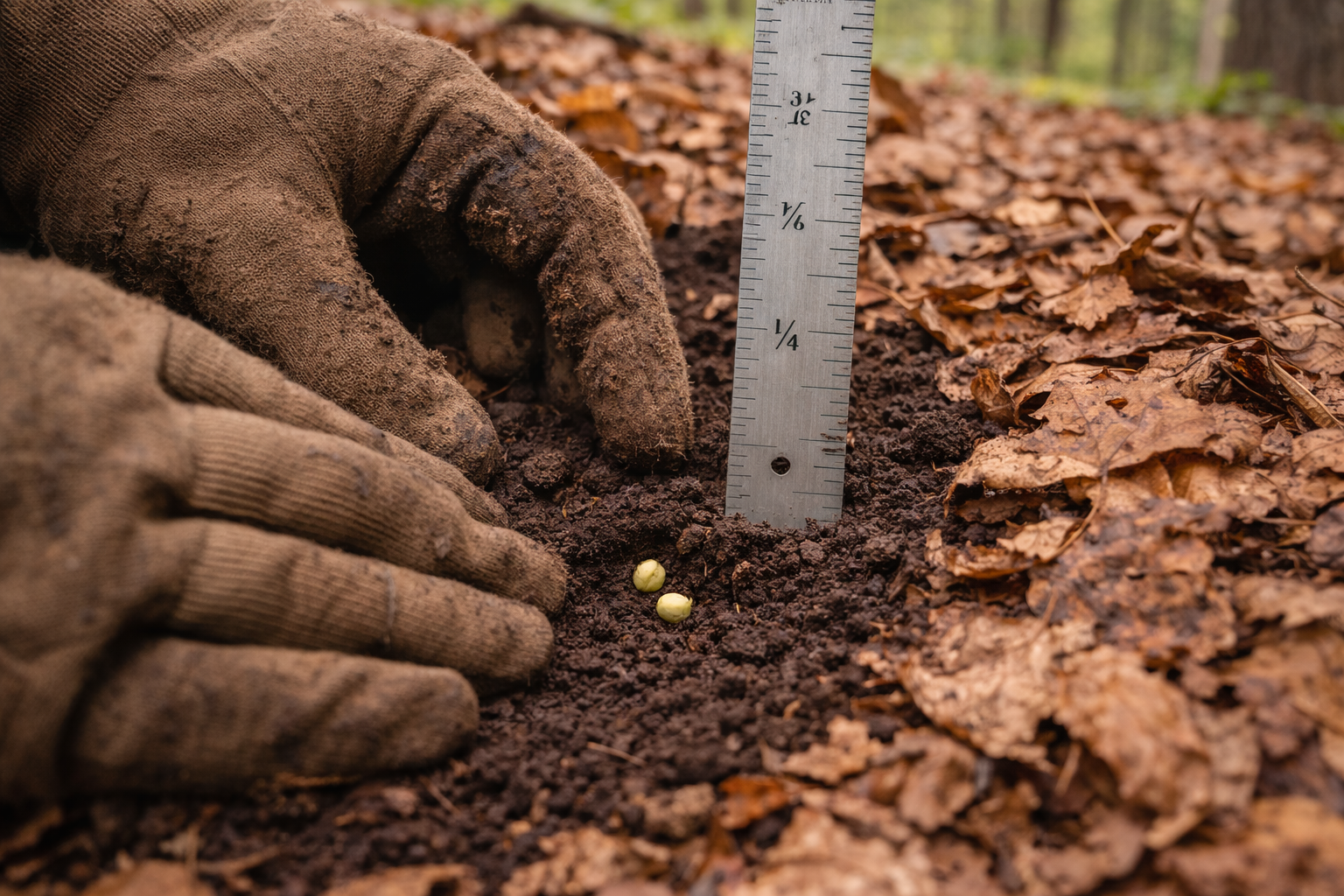
Planting
Plant stratified seeds in fall under leaf litter.
September - November
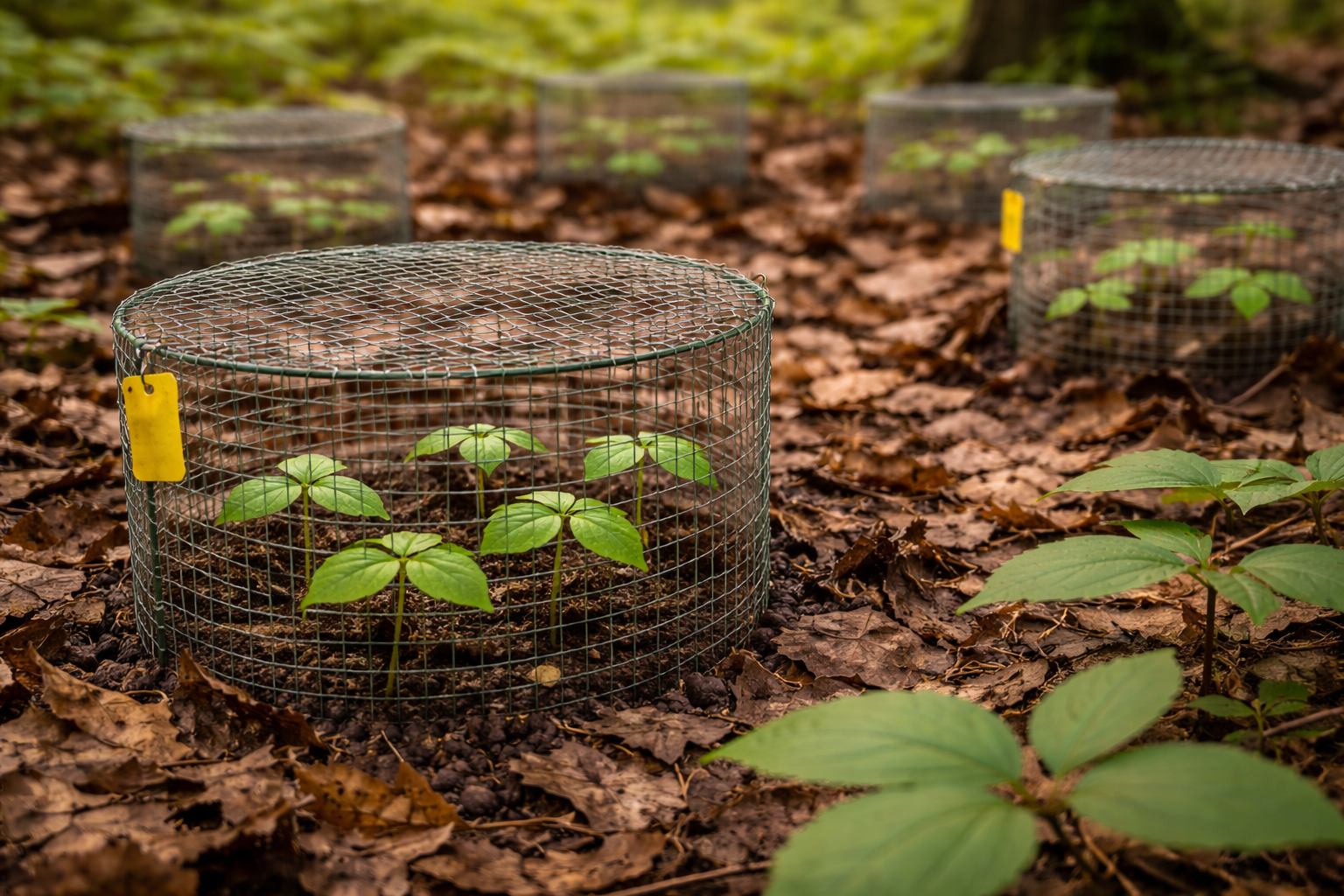
First Year Care
Monitor emergence, protect from pests, maintain conditions.
Years 1-2
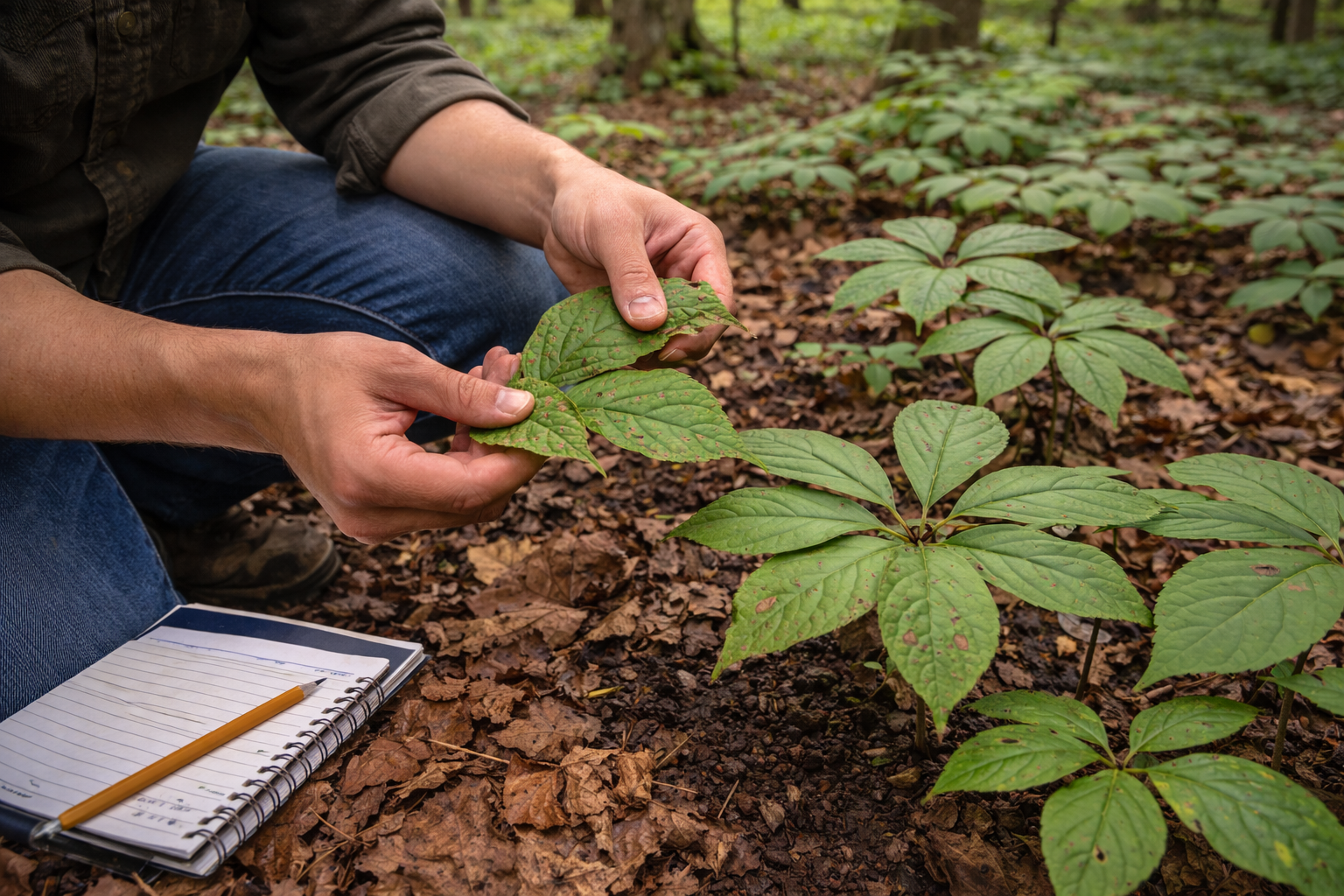
Ongoing Management
Annual monitoring, disease management, seed collection begins.
Years 3-7
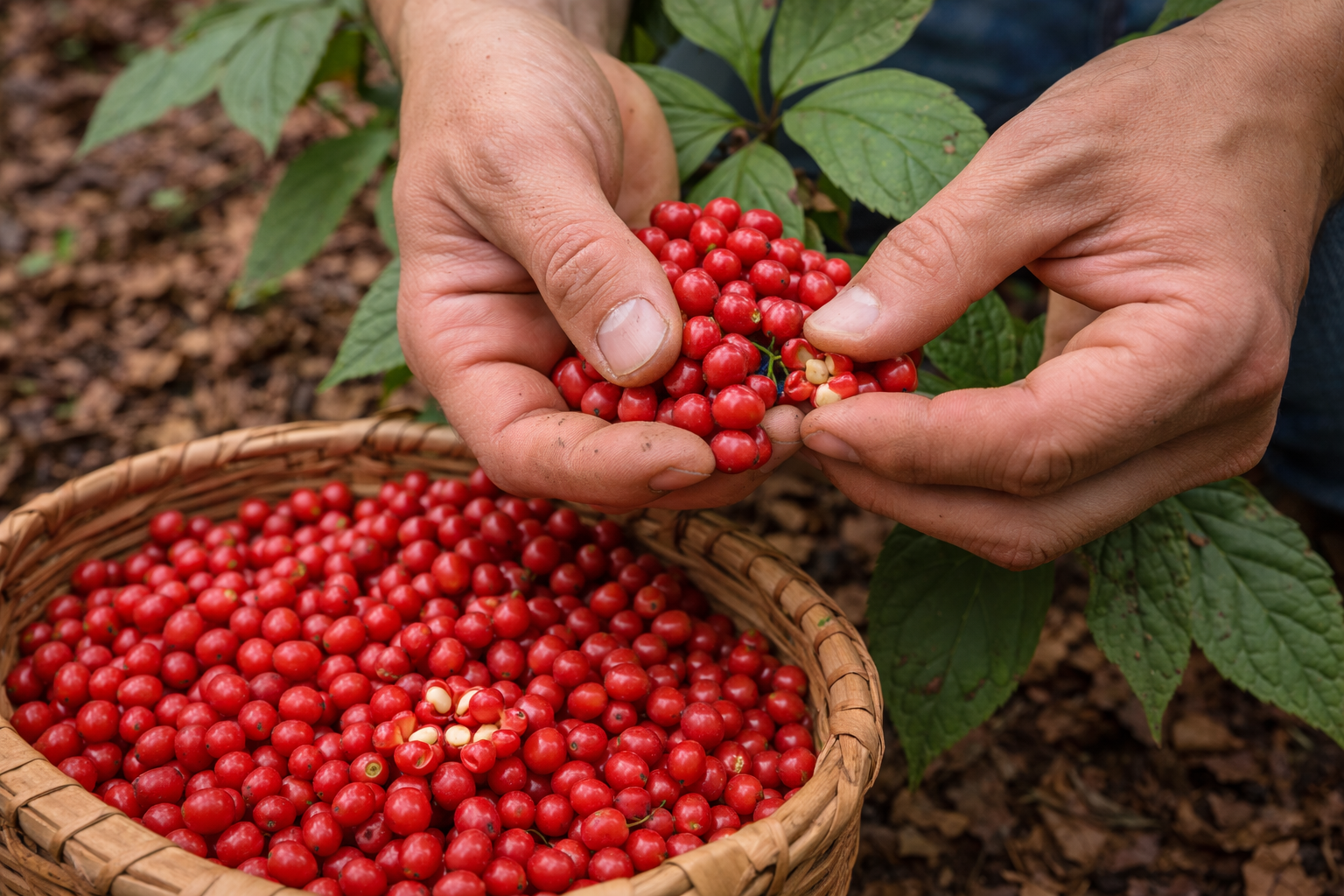
Seed Harvest
Collect ripe berries, process seeds, begin stratification or sell.
September annually (Year 3+)
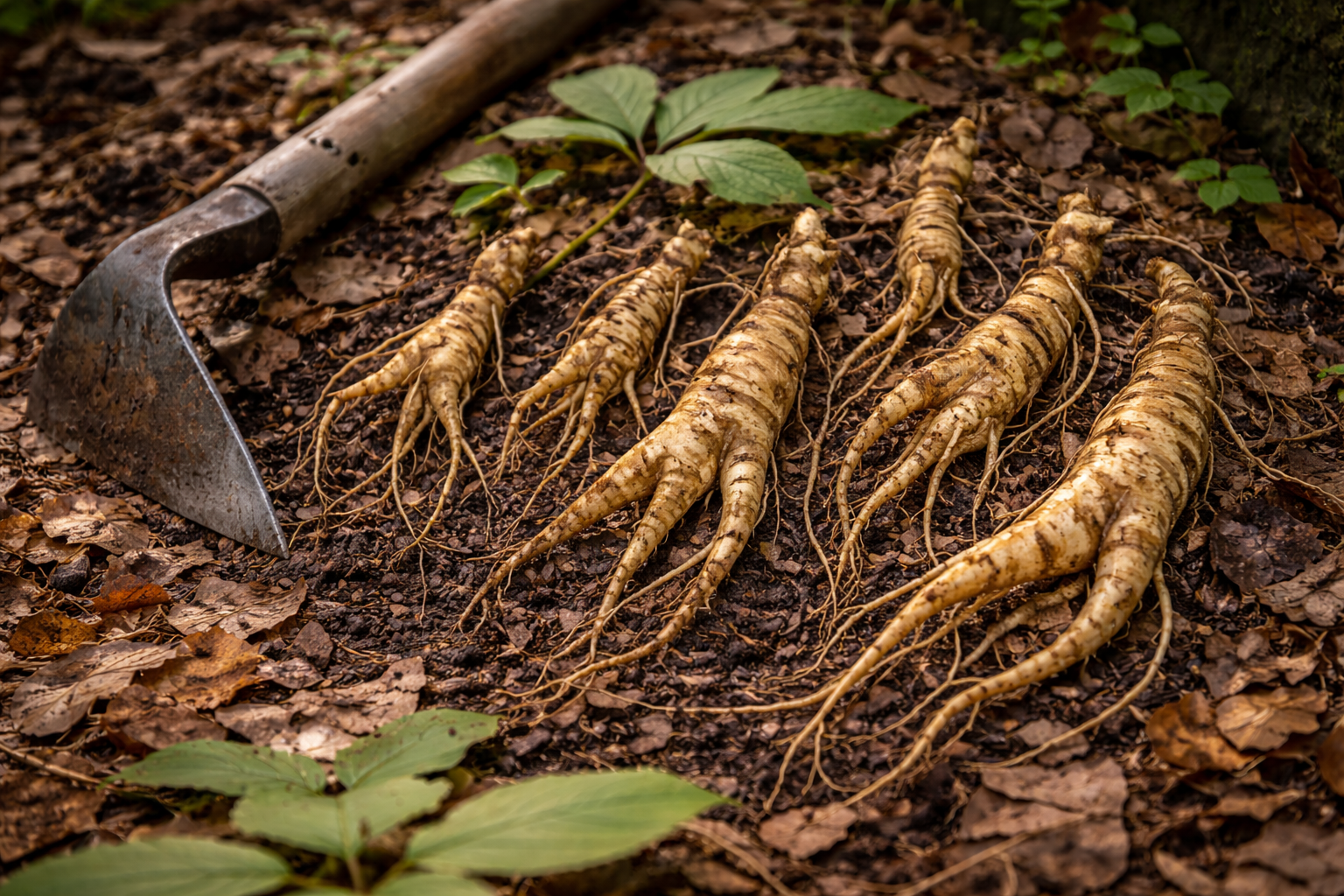
Root Harvest
Carefully dig mature roots, clean, dry, and grade.
September-October (Year 5-10+)