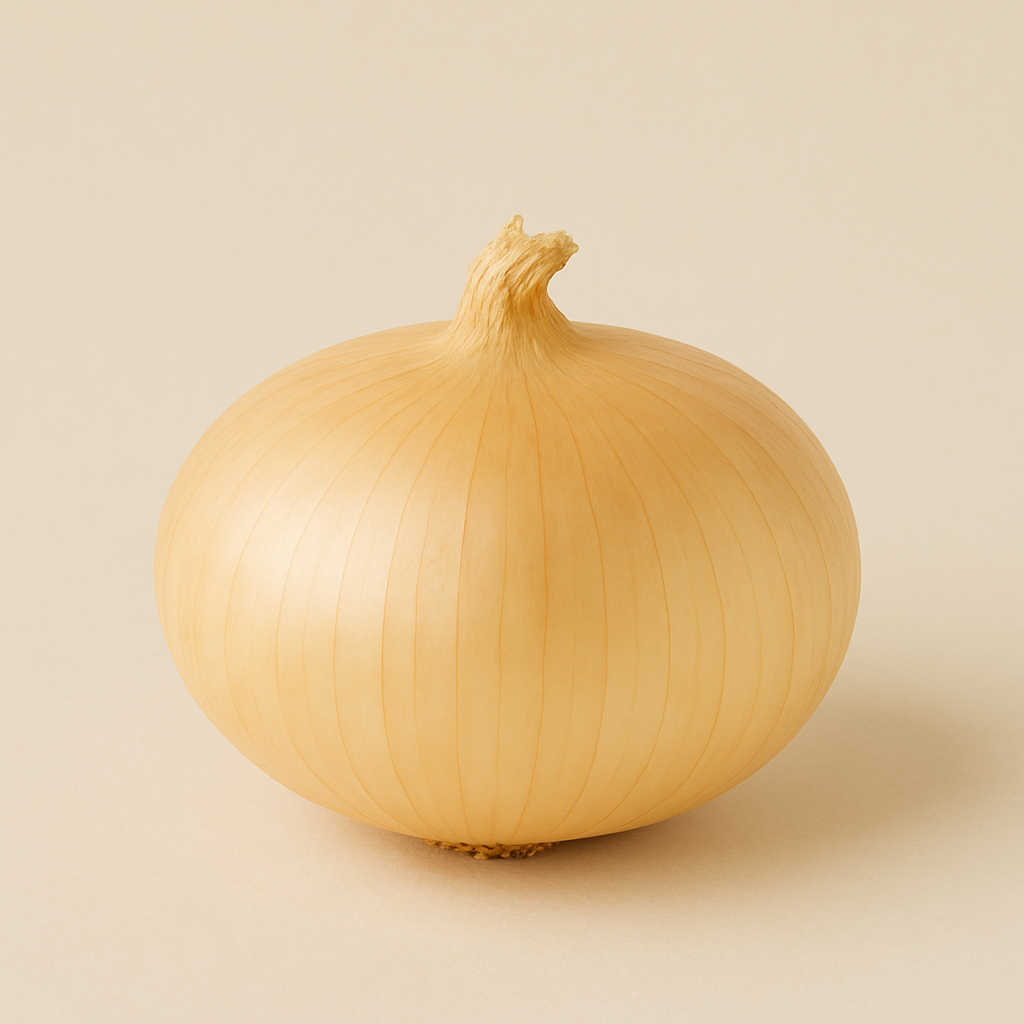
Sweet Onion
Allium cepa
Family: Amaryllidaceae
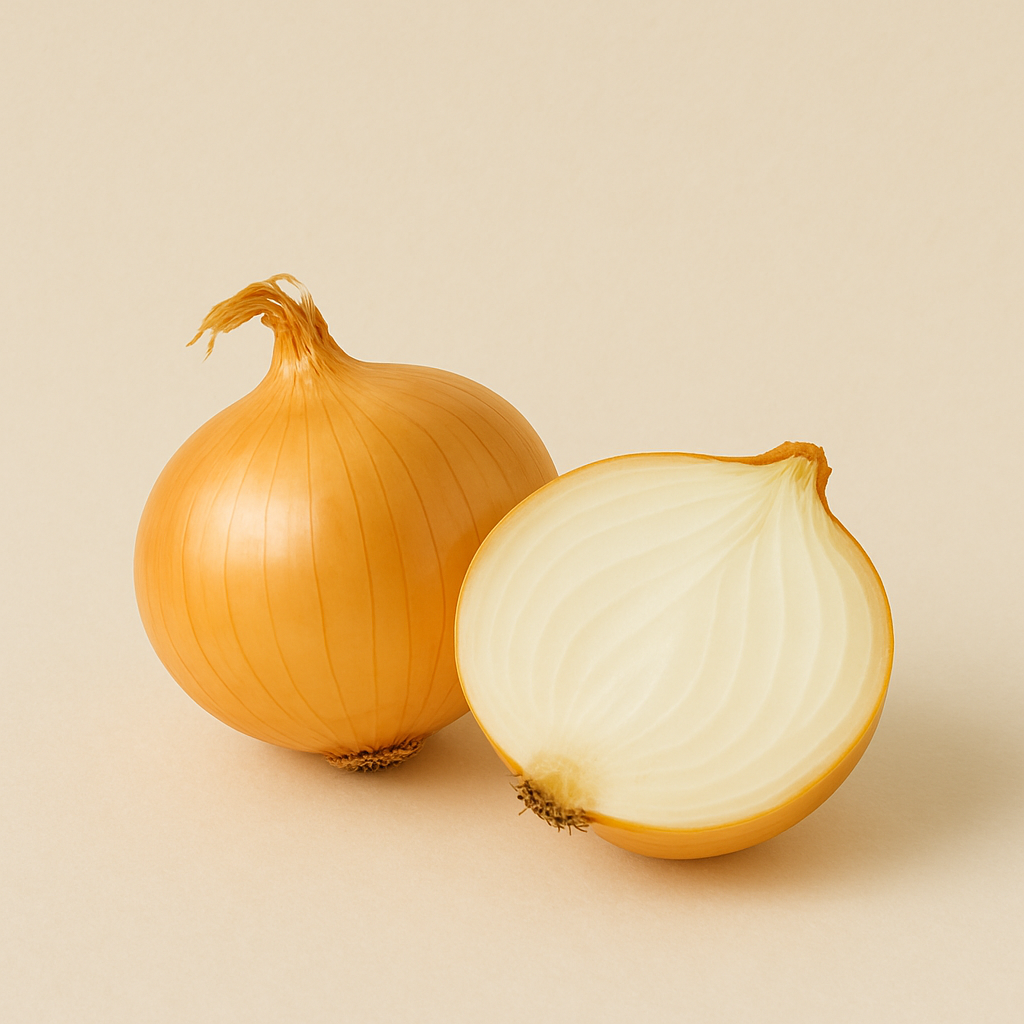
Sweet onions are low-sulfur varieties that can be eaten raw without the bite of regular onions. Famous varieties like Vidalia, Walla Walla, and Maui are prized for their mild, sugary flavor. They're best eaten fresh as they don't store as long.
Days to Harvest
100-180 days
Sun Needs
Full Sun (8+ hours)
moderate
Germination Temp
70°F optimal
Start Indoors
10 weeks before last frost
Germination
4-14 days
Seed Depth
1/4 inch
Light to Germinate
No
💡 Tip: Sweet onions are specific to day-length. Choose variety for your latitude. Start early indoors or use transplants. Low-sulfur soil produces sweeter onions.
Soil Type
Loose, well-draining, low-sulfur soil
pH Range
6 - 6.8
Spacing
6 inches between plants, 12-18 inches between rows
⚠️ Avoid planting near:
History
Sweet onions represent a remarkable intersection of genetics, geography, and marketing savvy that transformed humble onions into regional celebrities. The phenomenon began with Bermuda onions in the late 1800s, prized for their mildness, but modern sweet onion fame started in Georgia in the 1930s when farmers in Vidalia discovered their local soil's low sulfur content produced exceptionally mild onions. A state legislator championed "Vidalia onions" in the 1970s, eventually securing federal trademark protection limiting the name to onions grown in specific Georgia counties. This sparked sweet onion regionalism across America: Washington's Walla Walla onion (cultivated by Italian immigrants since the 1900s), Texas's 1015Y Supersweet (developed at Texas A&M in 1983, named for its October 15 planting date), Hawaii's Maui onion (grown on volcanic slopes), and others. The sweetness in these onions comes from both genetics (varieties bred for low pyruvic acid, which causes onion "heat") and terroir (low-sulfur soils reduce pungency). Sweet onions contain similar sugar levels to regular onions—about 5%—but their low sulfur compounds let the sweetness shine through. These onions created devoted cult followings, with people ordering them by mail and restaurants featuring them on menus. Their limited storage life (weeks rather than months) only enhanced their seasonal appeal and premium pricing.
Nutritional Benefits
- ✓Good source of Vitamin C
- ✓Contains prebiotic fiber
- ✓Lower in sulfur compounds
Optimal Growing Temp
55°F - 75°F
Sweet onions grow best in cool weather between 55-75°F. They require specific low-sulfur soils for maximum sweetness.
Survival Range
28°F - 85°F
Can survive these temperatures
Frost Note: Sweet onion seedlings tolerate light frosts down to 28°F. Walla Walla varieties are specifically bred to overwinter.
Best USDA Zones
Humidity
50-70%
Moderate humidity is best. Sweet onions are more disease-prone than storage types.
Height
12-24 inches
Spread
6-8 inches
Growth Habit
upright
Germination
7-14 days
Seeds germinate at 50-85°F, optimal at 70-75°F. First grass-like loop emerges from soil.
Seedling Stage
Duration: 8-10 weeks
True leaves: Tubular leaves emerge one at a time
Transplant ready: When pencil-thick with 3-4 leaves
Vegetative Growth
Duration: 10-14 weeks after transplant
Plants need to reach full size before bulbing for maximum sweetness and bulb size.
Harvest Maturity
Timing: 100-180 days depending on variety
- Tops fall over naturally
- Neck softens
- Bulbs are large and sized up
- Outer scales begin to dry
Per Plant
1 bulb per plant, 8-16 oz for well-grown sweet onions
Per Square Foot
4-9 onions per square foot (wider spacing for larger bulbs)
Harvest Frequency
Single harvest when bulbs mature
Factors Affecting Yield
- •Low-sulfur soil produces sweetest onions
- •Consistent moisture throughout growth
- •Correct day-length variety for your latitude
- •Avoiding water stress
Seedling Stage
Keep consistently moist—sweet onions need steady water from start
Established Plants
About 1 inch per week; very consistent moisture is essential
During Fruiting
Continue consistent watering until tops fall; reduce gradually
Preferred Method
Drip irrigation ideal for consistent moisture. Avoid overhead watering.
⚠️ Critical Watering Periods
- • Entire growing season for sweet flavor development
Pro Tips
- Consistent moisture is critical for sweetness
- Water stress increases sulfur compounds (more pungent)
- Mulch heavily to maintain even moisture
- Sweet onions are less forgiving of drought than storage types
Feeding Schedule
At planting
Low-sulfur fertilizer or compost
Once
Active growth
Nitrogen (low-sulfur source)
Every 2-3 weeks
Bulbing
None
Stop all fertilizing
Organic Options
Apply 2-3 inches compost at planting. Avoid high-sulfur inputs like blood meal.
Minimum Size
8 inches deep, 14-inch diameter
Recommended Size
12-18 inches deep container
Depth Required
At least 10-12 inches deep for large bulbs
Best Varieties for Containers
Container Tips
- Use potting mix with low sulfur content
- Space 4-6 inches apart for full-size bulbs
- Keep consistently moist—containers dry quickly
- Avoid high-sulfur fertilizers