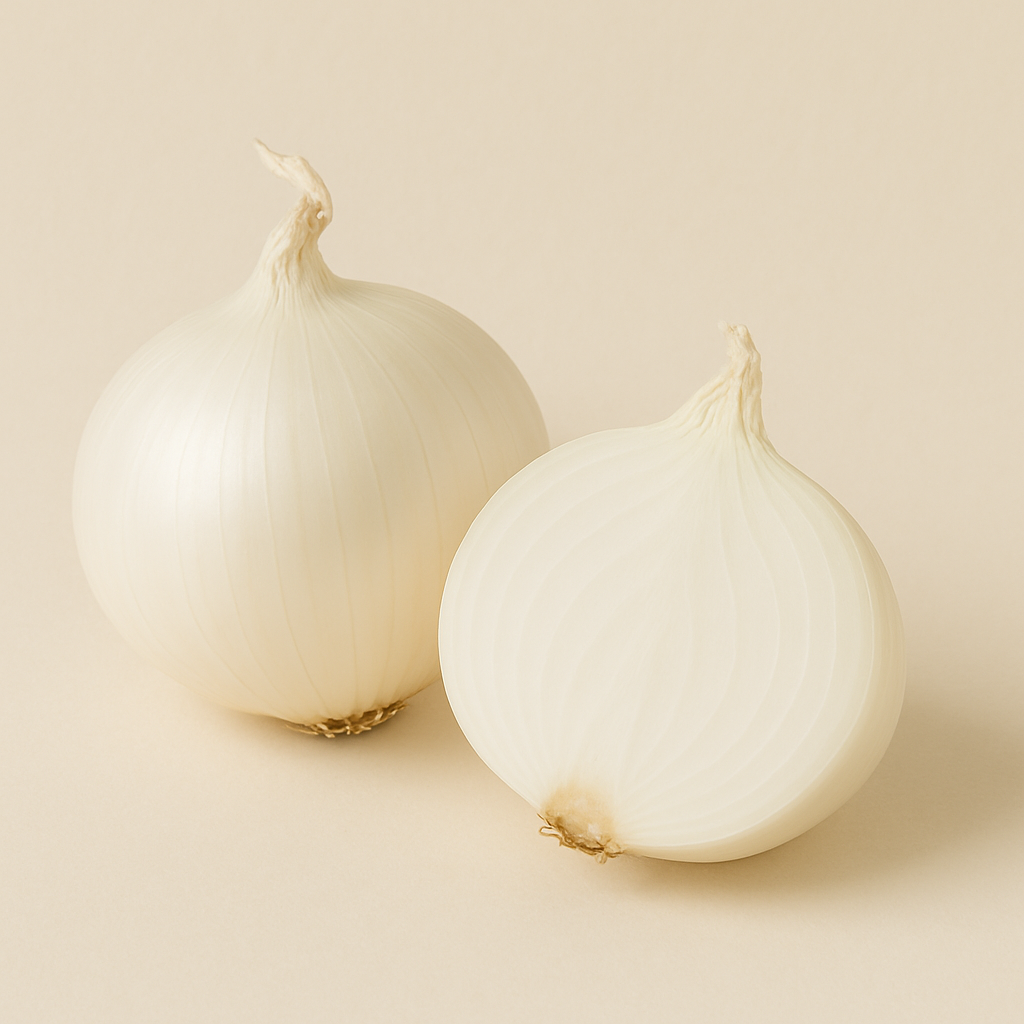
White Onion
Allium cepa
Family: Amaryllidaceae
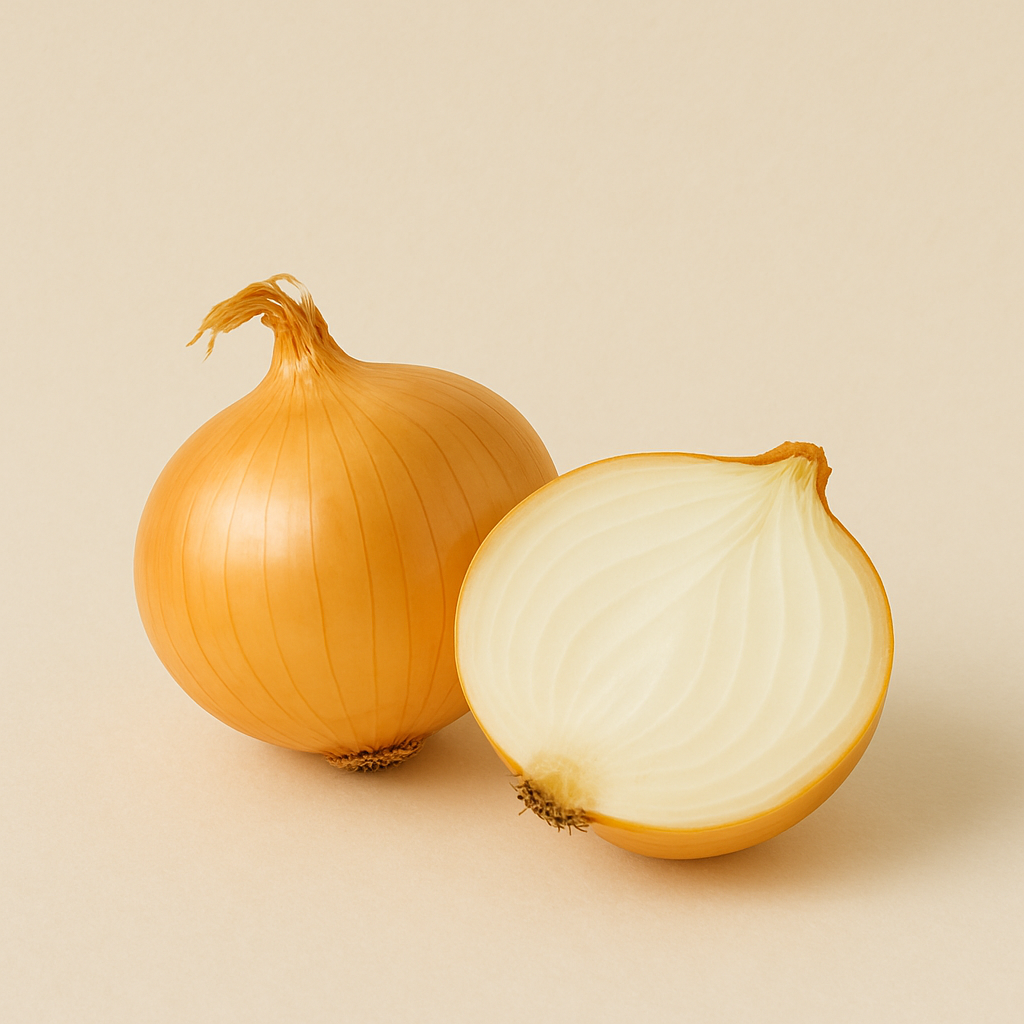
White onions have a sharper, more pungent flavor than yellow onions and are essential in Mexican and Southwestern cuisine. Their crisp texture and clean flavor make them ideal for salsas, guacamole, and raw applications.
Days to Harvest
90-120 days
Sun Needs
Full Sun (8+ hours)
moderate
Germination Temp
70°F optimal
Start Indoors
10 weeks before last frost
Germination
4-14 days
Seed Depth
1/4 inch
Light to Germinate
No
💡 Tip: Start seeds 10-12 weeks before last frost or use sets. Choose day-length variety for your latitude.
Soil Type
Loose, well-draining soil rich in organic matter
pH Range
6 - 7
Spacing
4-6 inches between plants, 12-18 inches between rows
⚠️ Avoid planting near:
History
White onions arrived in the Americas with Spanish colonizers in the 16th century and found their spiritual home in Mexican cuisine, where they became absolutely essential. While yellow onions dominated European and Anglo-American cooking, Mexican cooks developed a strong preference for white onions' sharper, cleaner flavor profile and crisp texture—qualities that better suited the bright, fresh flavors of salsas, ceviches, and raw applications central to Mexican gastronomy. The high sulfur content that gives white onions their pungency mellows dramatically when cooked, making them equally valuable sautéed for rice dishes, charred for tacos al pastor, or simmered in moles. Interestingly, white onions are less common in global cultivation than yellow or red varieties, giving Mexican and Southwestern cuisines a distinctive character built partly on this allium preference. Beyond Mexico, white onions found homes in Southeast Asian cuisines, particularly Vietnamese cooking where their clean flavor suits pho and fresh preparations. French cuisine traditionally uses white onions in béchamel and other white sauces to avoid the yellow tint that yellow onions impart. American supermarkets long undervalued white onions, but growing appreciation for authentic Mexican cooking has expanded their availability and recognition as a distinct culinary ingredient rather than just an alternative to yellow onions.
Nutritional Benefits
- ✓High in antioxidants
- ✓Good source of Vitamin C
- ✓Contains fiber
Optimal Growing Temp
55°F - 75°F
White onions grow best in cool weather between 55-75°F. Bulbing is triggered by day length.
Survival Range
28°F - 85°F
Can survive these temperatures
Frost Note: White onion seedlings tolerate light frosts down to 28°F. Hard freezes below 20°F can damage plants.
Best USDA Zones
Humidity
50-70%
Moderate humidity is best. High humidity promotes fungal diseases. Store in dry conditions.
Height
12-18 inches
Spread
4-6 inches
Growth Habit
upright
Germination
7-14 days
Seeds germinate at 50-85°F, optimal at 70-75°F. First grass-like loop emerges from soil.
Seedling Stage
Duration: 6-8 weeks
True leaves: Tubular leaves emerge sequentially
Transplant ready: When pencil-thick with 3-4 true leaves
Vegetative Growth
Duration: 8-12 weeks after transplant
Plants focus on producing leaves. Each leaf becomes one ring of the bulb.
Harvest Maturity
Timing: 90-120 days from transplant
- Tops fall over naturally
- Neck softens
- White papery outer skin formed
- Bulbs are firm
Per Plant
1 bulb per plant, 4-12 oz depending on variety
Per Square Foot
9-16 onions per square foot with proper spacing
Harvest Frequency
Single harvest when bulbs mature
Factors Affecting Yield
- •Day-length matching is critical
- •Consistent moisture during growth
- •Weed control (shallow roots compete poorly)
- •Proper spacing for bulb size
Seedling Stage
Keep consistently moist but not waterlogged
Established Plants
About 1 inch per week through deep watering
During Fruiting
Reduce watering as tops fall; stop when 50% down
Preferred Method
Drip irrigation or soaker hoses. Avoid overhead watering which can cause discoloration.
⚠️ Critical Watering Periods
- • Bulb initiation and swelling
Pro Tips
- Consistent moisture produces milder, crisper bulbs
- Water stress increases pungency
- Mulch maintains even moisture
- Reduce watering as harvest approaches
Feeding Schedule
At planting
Balanced fertilizer or compost
Once
Vegetative growth
Nitrogen-rich fertilizer
Every 2-3 weeks
Bulbing
None
Stop all fertilizing
Organic Options
Side-dress with compost at planting, apply fish emulsion every 2-3 weeks during growth
Minimum Size
6 inches deep, 12-inch diameter
Recommended Size
12-18 inches deep container
Depth Required
At least 8-10 inches deep
Best Varieties for Containers
Container Tips
- Use well-draining potting mix
- Space 3-4 inches apart
- Check moisture daily
- Fertilize every 2-3 weeks during growth