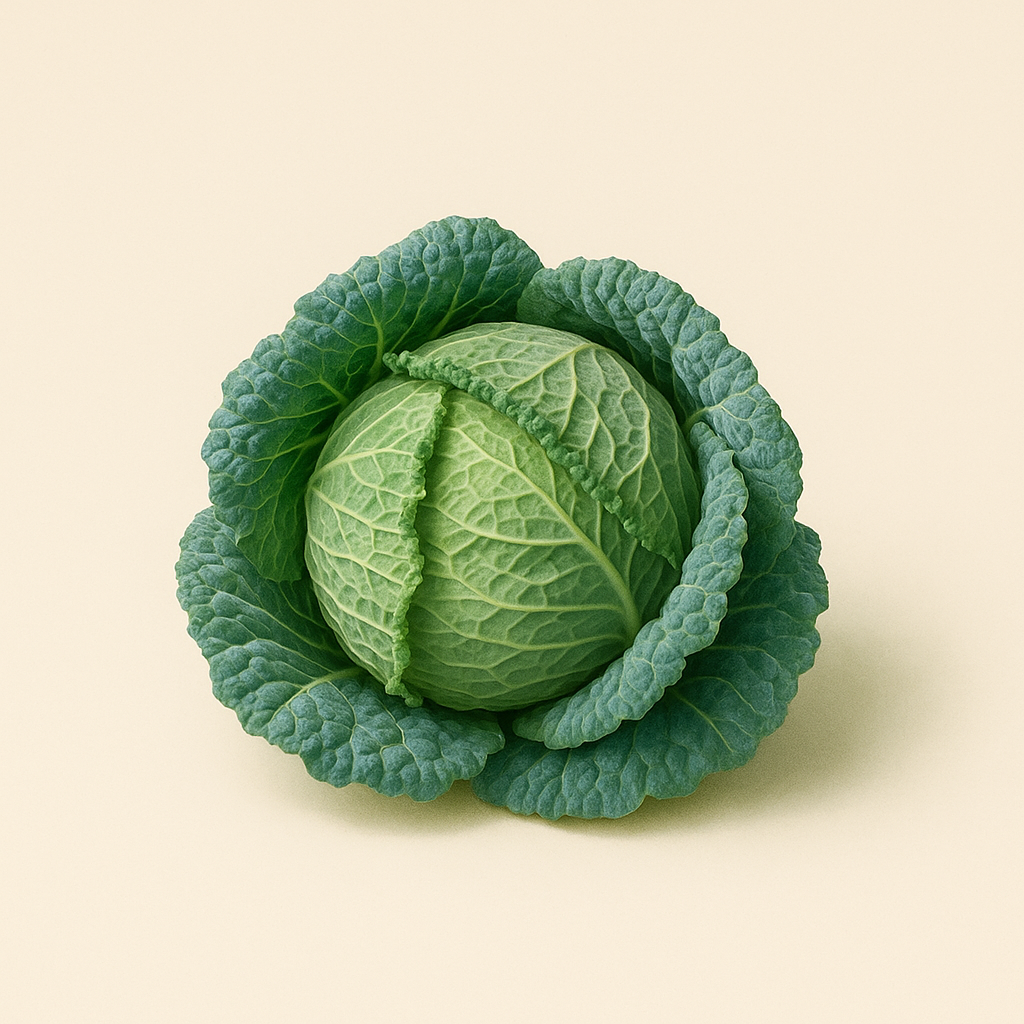
Savoy Cabbage
Brassica oleracea var. sabauda
Family: Brassicaceae
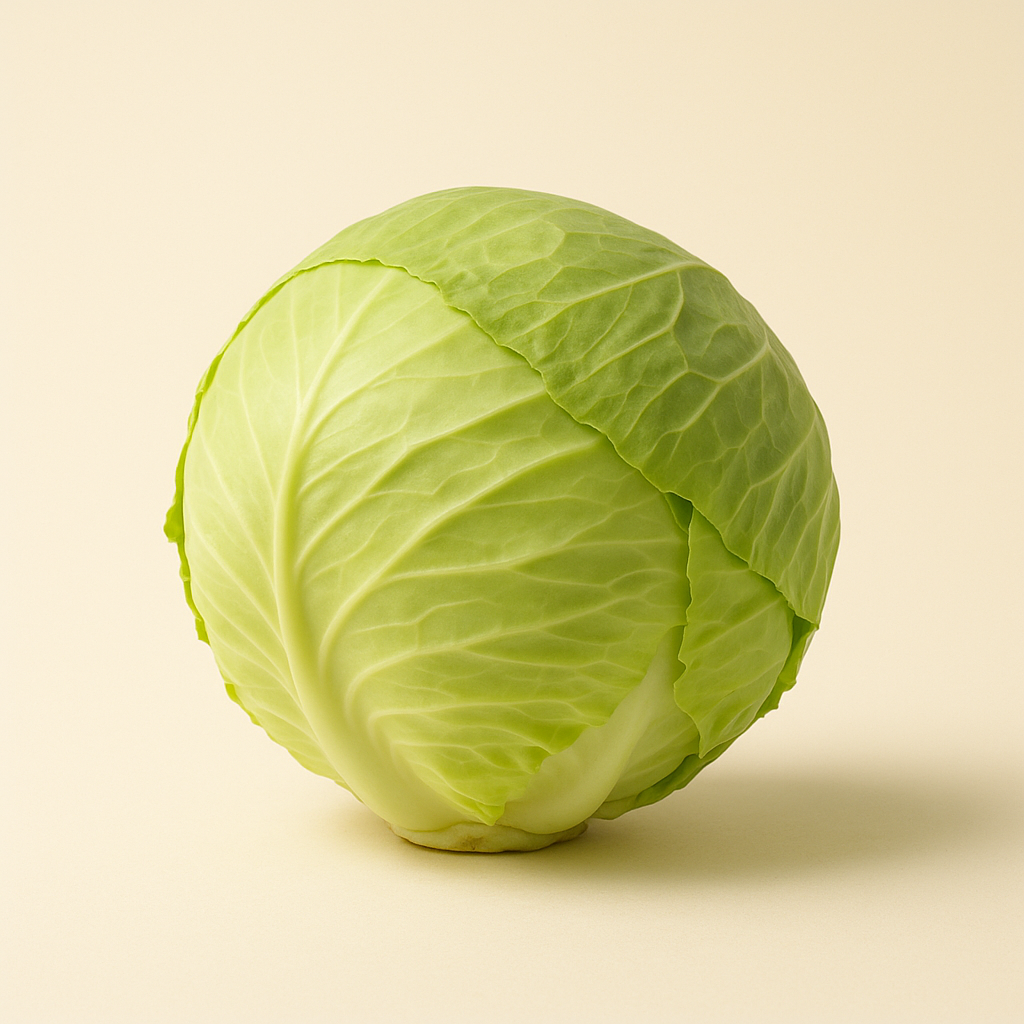
Savoy cabbage has beautiful crinkled, lacy leaves with a more delicate flavor and tender texture than regular cabbage. Perfect for stuffed cabbage rolls and gourmet preparations.
Days to Harvest
80-160 days
Sun Needs
Full Sun (6+ hours)
high
Germination Temp
70°F optimal
Start Indoors
6 weeks before last frost
Germination
4-10 days
Seed Depth
1/4 to 1/2 inch
Light to Germinate
No
💡 Tip: For winter harvest, start in mid-summer.
Soil Type
Rich, well-draining soil
pH Range
6 - 7.5
Spacing
18-24 inches between plants
⚠️ Avoid planting near:
History
Savoy cabbage takes its name from the Savoy region, a historic duchy nestled in the Alps between France, Italy, and Switzerland, where this elegant cabbage variety was developed during the late medieval period. The first written records appear in Germany around the 16th century, though cultivation in the Alpine regions likely predates documentation. What distinguishes savoy from other cabbages is its beautifully crinkled, almost lace-like leaves (botanically called "blistered" or "savoyed"), which result from uneven cell growth between the leaf veins. This unique texture made savoy the cabbage of choice for European fine dining, particularly in French haute cuisine where its tender leaves and delicate flavor suited refined preparations. Eastern European cuisines embraced savoy for stuffed cabbage (golumpki, holishkes, sarma), where the flexible leaves wrap around fillings without cracking. The variety gained the name "January King" in England for its exceptional cold tolerance—some cultivars can survive frosts as low as 14°F, actually improving in sweetness after cold exposure. Unlike dense green cabbage, savoy's looser head structure means it doesn't store as long, making it traditionally a luxury item for immediate use. Today savoy remains prized by chefs and home cooks who appreciate its sophisticated appearance and superior tenderness.
Nutritional Benefits
- ✓High in Vitamin C
- ✓Good source of Vitamin K
- ✓Contains fiber
Optimal Growing Temp
60°F - 70°F
Savoy cabbage thrives in cool conditions between 60-70°F. It is one of the most cold-hardy cabbages, tolerating colder temperatures than green or red varieties. The crinkled leaves are naturally frost-resistant.
Survival Range
15°F - 80°F
Can survive these temperatures
Frost Note: Savoy cabbage is extremely cold-hardy, tolerating temperatures down to 15°F once established—among the hardiest of all cabbages. Light frosts sweeten the flavor. Can be harvested through winter in many climates.
Best USDA Zones
Humidity
50-70%
The crinkled leaf texture can trap moisture, so good air circulation is important in humid climates. However, the loose head structure reduces rot risk compared to tight-heading types.
Height
12-18 inches
Spread
18-24 inches
Growth Habit
upright
Germination
4-10 days
Seeds germinate at 45-85°F, optimal around 70°F. Similar to other cabbages.
Seedling Stage
Duration: 4-6 weeks
True leaves: First true leaves appear 7-10 days after sprouting, showing the characteristic crinkled texture early
Transplant ready: Ready to transplant when 4-5 inches tall with 4-6 true leaves. Harden off for 7-10 days.
Vegetative Growth
Duration: 6-10 weeks after transplant
Development of the beautiful crinkled outer leaves that gradually wrap into a looser head than green cabbage.
Flowering
Timing: Second year, or under extreme stress
Duration: N/A for vegetable harvest
Savoy cabbage is biennial. First-year bolting indicates stress but is rare with Savoy types.
Harvest Maturity
Timing: 70-110 days from transplant depending on variety
- Head feels moderately firm when squeezed (not as tight as green cabbage)
- Crinkled leaves are well-developed with characteristic texture
- Blue-green color is uniform
- Head reaches appropriate size for variety (8-12 inches)
Per Plant
2-4 lbs per head
Per Square Foot
1-2 lbs per square foot
Harvest Frequency
One head per plant
Factors Affecting Yield
- •Cold tolerance allows extended harvest season
- •Frost improves sweetness and tenderness
- •Consistent moisture produces tender leaves
- •Less dense heads than green cabbage but excellent texture
Seedling Stage
Keep consistently moist—water daily if needed
Established Plants
1-1.5 inches per week, deep watering
During Fruiting
Maintain consistent moisture for tender leaves
Preferred Method
Drip irrigation or soaker hoses at soil level. The crinkled leaves catch and hold water, so avoid overhead watering if possible.
⚠️ Critical Watering Periods
- • Head formation
Pro Tips
- Savoy cabbage is slightly more forgiving of inconsistent watering than tight-heading types
- Mulch to maintain even soil moisture
- Water stress makes leaves tough rather than tender
Feeding Schedule
At Transplanting
Balanced fertilizer with compost
Once at planting
Mid-Season
Side-dress with balanced fertilizer
Every 3-4 weeks
Organic Options
Side-dress with compost every 3-4 weeks. Savoy cabbage is less demanding than green cabbage.
Minimum Size
7 gallon minimum
Recommended Size
10-15 gallon for full-sized heads
Depth Required
At least 12 inches deep
Best Varieties for Containers
Container Tips
- Container culture similar to other cabbages
- Choose compact varieties for smaller containers
- Water consistently but don't overwater
- The loose head tolerates slight drying better than tight-heading types
Why Prune
When
As needed
How Often
Rarely needed
Technique
Remove only damaged outer leaves.
Remove
- ✗ Damaged or yellowed leaves
Keep
- ✓ All healthy crinkled leaves
Plant Every
3-4 weeks
Sowings/Season
2-3 plantings
Duration
Spring and fall growing seasons
Tips
- Fall crops have the best quality due to cold sweetening
- Can be harvested well into winter in many regions
- Exceptional cold hardiness extends the season