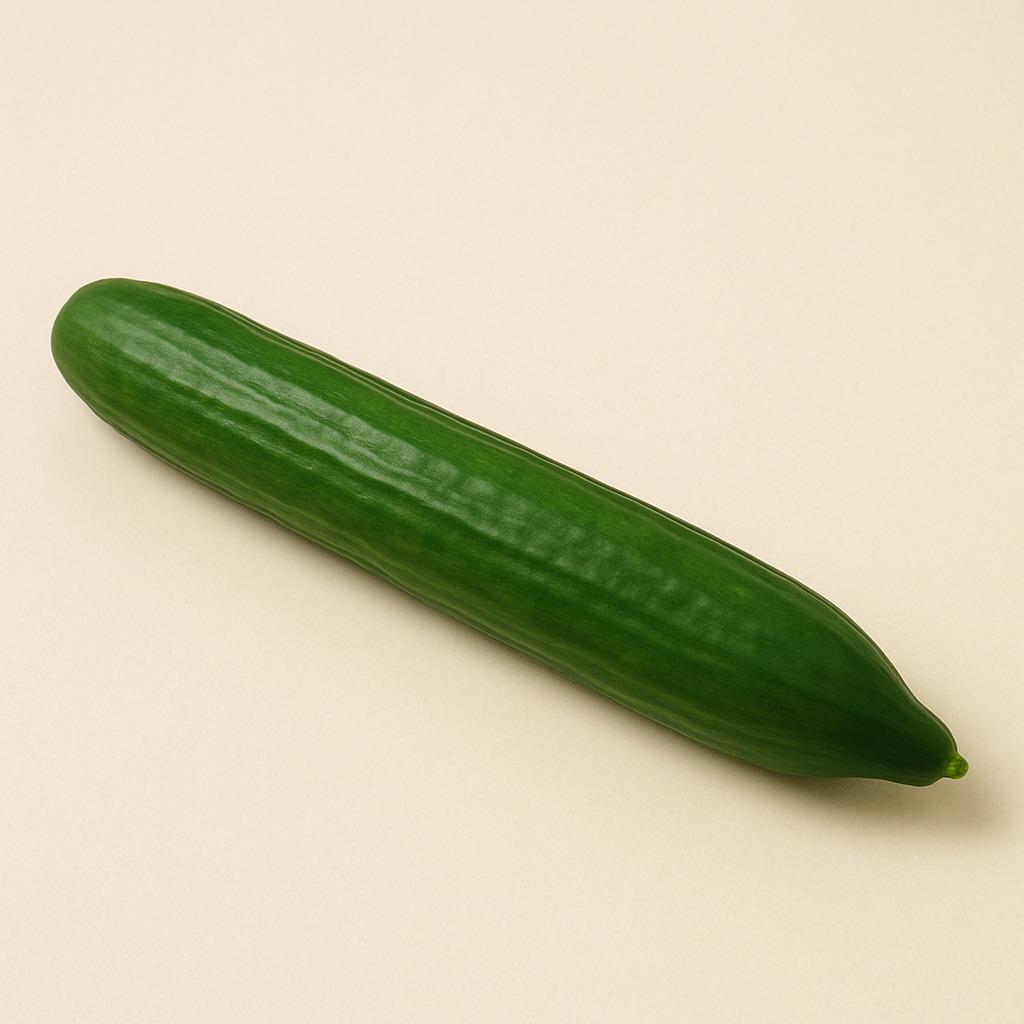
Armenian Cucumbers
Cucumis melo var. flexuosus
Family: Cucurbitaceae
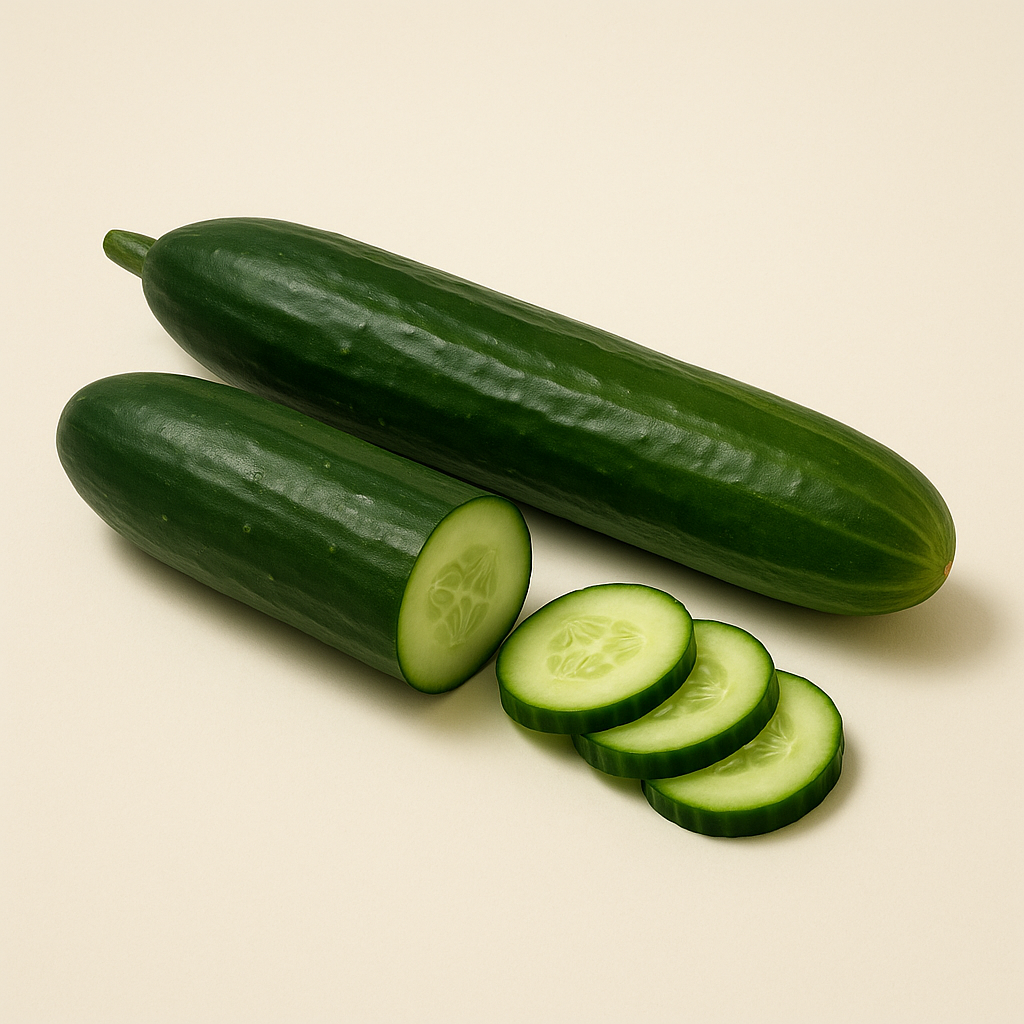
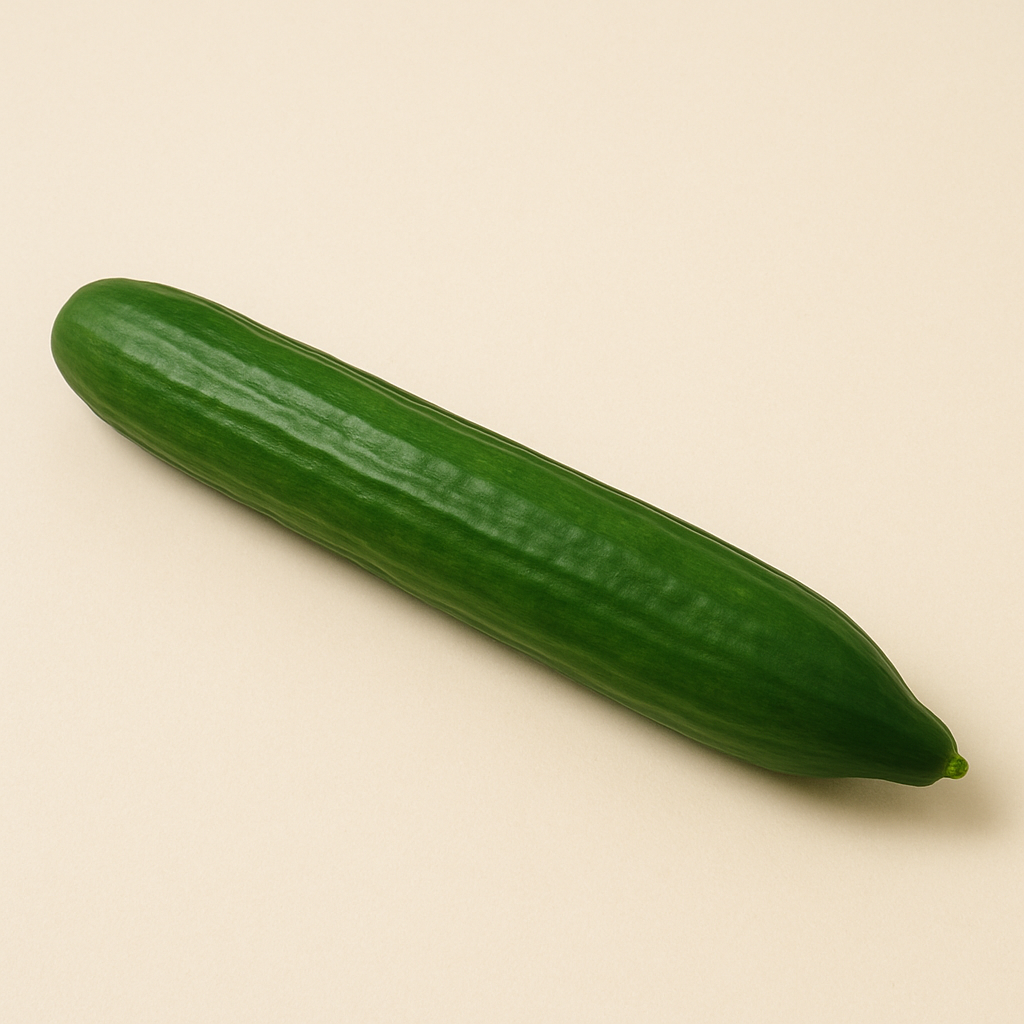
Armenian cucumbers are technically melons but look, taste, and are used like cucumbers. Their ridged, pale green fruits can grow over 3 feet long and thrive in heat that would stress true cucumbers. Never bitter and very mild.
Days to Harvest
55-70 days
Sun Needs
Full Sun (8+ hours)
moderate
Germination Temp
85°F optimal
Start Indoors
3 weeks before last frost
Germination
5-12 days
Seed Depth
1 inch
Light to Germinate
No
💡 Tip: Loves heat! Plant after soil is warm (70°F+). Thrives in conditions that stress regular cucumbers.
Soil Type
Well-draining soil with organic matter
pH Range
6 - 7
Spacing
48-72 inches between plants (vigorous vines)
⚠️ Avoid planting near:
History
Despite their common name, Armenian cucumbers are technically melons (Cucumis melo), more closely related to honeydew than to true cucumbers. This fascinating plant has been cultivated across the Middle East and Mediterranean basin for thousands of years, appearing in ancient Armenian, Turkish, Syrian, and Egyptian agricultural traditions. The serpentine fruits—which can twist and coil dramatically as they grow, earning names like "snake melon" and "serpent cucumber"—have adapted to the hot, arid climates where true cucumbers struggle. Unlike true cucumbers, Armenian varieties virtually never develop the bitter compound cucurbitacin, making them reliably sweet and mild even when grown in extreme heat or harvested late. The plant likely originated in the region between Armenia and Egypt, spreading along Silk Road trade routes. In Middle Eastern markets, these cucumbers are essential for fattoush salad, where their crisp texture and mild flavor complement the toasted pita. Armenian communities in California's Central Valley have grown these cucumbers for generations, making them popular in farmers' markets throughout the Western United States. The fruits can grow to remarkable lengths—over 3 feet under ideal conditions—and their pale green, ribbed appearance makes them distinctively beautiful. Hot-climate gardeners prize them as the most reliable "cucumber" when summer temperatures make true cucumbers bitter or unproductive.
Nutritional Benefits
- ✓Very high water content
- ✓Low in calories
- ✓Never bitter
Optimal Growing Temp
75°F - 95°F
Armenian cucumbers THRIVE in heat that would stress true cucumbers. Excellent for desert and hot climates. Production continues in 100°F+ weather.
Survival Range
55°F - 105°F
Can survive these temperatures
Best USDA Zones
Humidity
30-60%
Tolerates low humidity better than true cucumbers. Adapted to Mediterranean and Middle Eastern dry climates.
Height
8-12 feet (vining)
Spread
4-6 feet
Growth Habit
vine
Germination
5-12 days
Seeds germinate best in warm soil (85°F+). Cotyledons emerge first. Warmer conditions improve germination rate.
Seedling Stage
Duration: 2-3 weeks
True leaves: First true leaves appear 7-10 days after sprouting, slightly different from true cucumbers
Transplant ready: Ready when 4-5 inches tall with 2-3 true leaves. Handle carefully—dislikes transplanting.
Vegetative Growth
Duration: 3-4 weeks after emergence
Vigorous vine growth with large leaves. Vines grow rapidly in hot weather.
Flowering
Timing: 4-5 weeks after emergence
Duration: Continuous throughout season
Produces separate male and female flowers. Requires bee pollination for fruit set.
Fruit Development
Begins: 7-10 days after pollination
Duration: Continuous until frost
Long, serpentine fruits develop quickly. Harvest at 12-18 inches for best texture. Can grow to 3+ feet.
Harvest Maturity
Timing: 55-70 days from seed
- Fruits are 12-18 inches long
- Pale green and ribbed
- Firm texture
- Seeds still small and tender
Per Plant
15-25 cucumbers per plant over the season
Per Square Foot
1-2 fruits per square foot when trellised
Harvest Frequency
Every 2-3 days during peak production
Factors Affecting Yield
- •Heat-loving—produces when true cucumbers struggle
- •Trellising produces straighter fruits
- •NEVER develops bitterness unlike true cucumbers
- •Consistent watering improves yield but not critical for flavor
Seedling Stage
Keep soil moist until established
Established Plants
1-2 inches per week, can tolerate some drought
During Fruiting
Regular watering for best production, but NEVER turns bitter
Preferred Method
Drip irrigation or soaker hose. More drought-tolerant than true cucumbers.
⚠️ Critical Watering Periods
- • Fruit development for maximum size
Pro Tips
- PRO TIP: Armenian cucumbers NEVER develop bitterness from water stress—key advantage!
- More drought-tolerant than true cucumbers
- Consistent water produces larger, more abundant fruits
- Can survive occasional dry periods without ruining harvest
Feeding Schedule
At Planting
Compost and balanced fertilizer
Once
Vine Growth
Balanced 10-10-10
Every 3 weeks
Flowering
Lower nitrogen 5-10-10
Every 2-3 weeks
Fruiting
Side-dress with compost
Every 2-3 weeks
Organic Options
Side-dress with compost when vines begin to run
Minimum Size
10 gallons
Recommended Size
15 gallon for best production
Depth Required
At least 14 inches deep
Best Varieties for Containers
Container Tips
- Large container required—these are vigorous plants
- Provide tall, sturdy trellis for climbing
- Heat-tolerant so perfect for hot patios
- Use well-draining potting mix
Support Type
Sturdy fence, cattle panel, or A-frame trellis
Height Needed
6-8 feet tall
When to Install
Install at planting time to avoid damaging roots
Method
Vines climb using tendrils. Fruits will be straighter when hanging. Without trellis, fruits twist and curve.
Tips
- Trellising produces long, straight fruits
- Ground-grown fruits develop distinctive serpentine curves
- Both curved and straight fruits taste identical
- Curved fruits are traditional and fun to grow
Why Prune
When
Throughout growing season as needed
Technique
Prune lower leaves touching ground. Can remove some lateral vines if too vigorous.
Remove
- ✗ Yellowing leaves
- ✗ Lower foliage touching soil
- ✗ Excess lateral vines
Keep
- ✓ Main vines
- ✓ Productive laterals
- ✓ All developing fruits