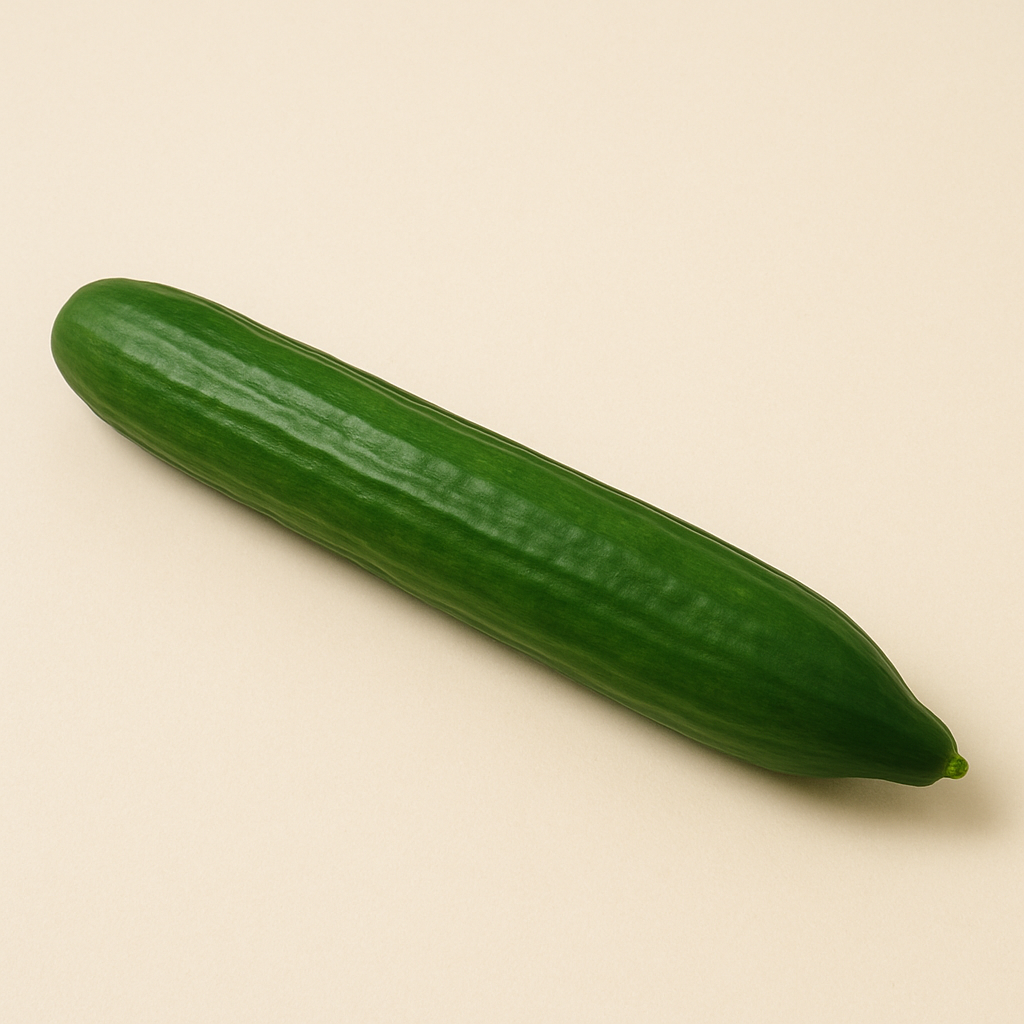
English Cucumbers
Cucumis sativus
Family: Cucurbitaceae
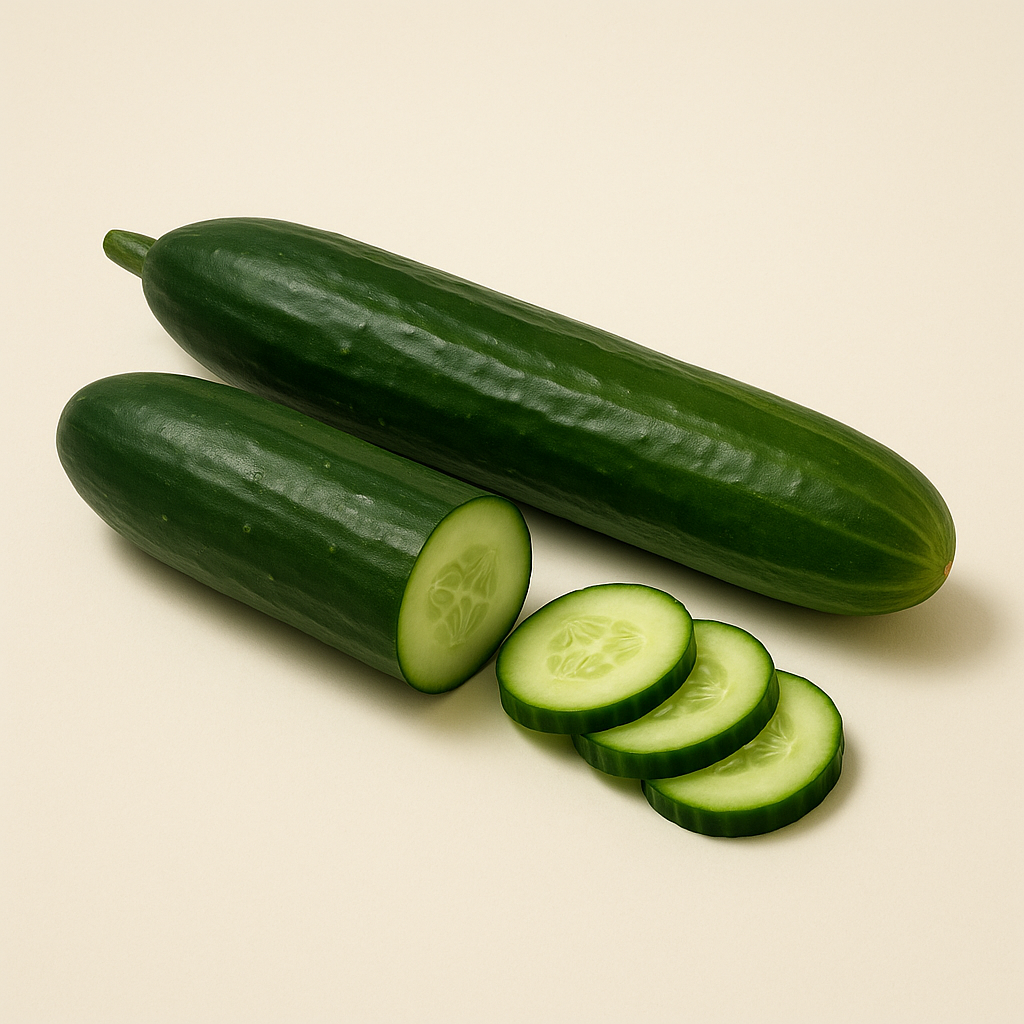
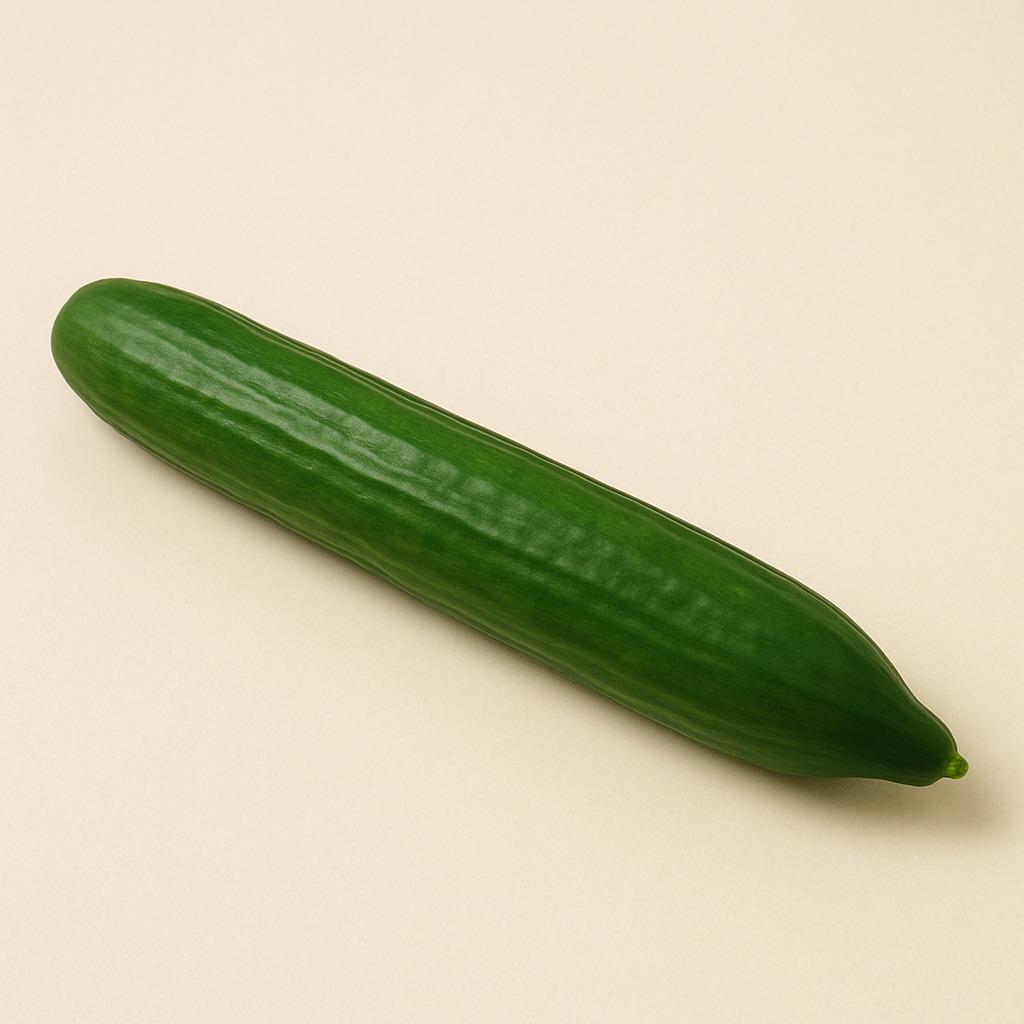
English cucumbers (also called European or seedless cucumbers) are long, slender cucumbers with thin, edible skin and few seeds. They're the mildest, most digestible type and don't require peeling. Often grown in greenhouses but thrive outdoors in warm climates.
Days to Harvest
55-65 days
Sun Needs
Full Sun (8+ hours)
high
Germination Temp
85°F optimal
Start Indoors
3 weeks before last frost
Germination
3-10 days
Seed Depth
1 inch
Light to Germinate
No
💡 Tip: Start indoors for best results. Some varieties are parthenocarpic (fruit without pollination). Trellis for straight cucumbers.
Soil Type
Rich, well-draining soil with organic matter
pH Range
6 - 7
Spacing
24 inches between plants on trellis
⚠️ Avoid planting near:
History
English cucumbers represent the pinnacle of Victorian greenhouse breeding, developed in 19th-century Britain where wealthy estates competed to produce the longest, most elegant cucumbers year-round. British gardeners created elaborate glass houses with heating systems specifically for cucumber cultivation—growing cucumbers in February became a mark of horticultural prestige. The varieties bred during this era featured extremely thin, delicate skin (necessitating the modern plastic wrap), virtually no seeds, and a mild flavor that suited refined palates. These "Telegraph" or "Improved Telegraph" types became the standard for greenhouse production across Europe. Unlike field cucumbers pollinated by bees, greenhouse varieties were bred to be parthenocarpic—setting fruit without pollination—eliminating the bitter seeds that develop in fertilized cucumbers. Dutch growers further refined greenhouse cultivation in the 20th century, making the Netherlands a major exporter. The cucumbers arrived in North American supermarkets in the 1980s, always wrapped in plastic to protect their thin skin and extend shelf life. Called "English," "European," "hothouse," or "seedless" cucumbers depending on the region, they command premium prices over field cucumbers. Modern breeding has produced varieties that can grow outdoors in warm climates, though traditional greenhouse types remain the gold standard for refinement and appearance.
Nutritional Benefits
- ✓Very high water content
- ✓Low in calories
- ✓Easily digestible
Optimal Growing Temp
65°F - 80°F
English cucumbers prefer slightly cooler temps than American types. Ideal for greenhouse growing. Heat above 85°F can stress plants.
Survival Range
55°F - 90°F
Can survive these temperatures
Best USDA Zones
Humidity
60-80%
Higher humidity than regular cucumbers—ideal for greenhouse production. Good ventilation prevents disease.
Height
6-10 feet (trained vertically)
Spread
2-3 feet (when trellised)
Growth Habit
vine
Germination
5-10 days
Seeds germinate best at 80-85°F soil temperature. Cotyledons emerge first.
Seedling Stage
Duration: 2-3 weeks
True leaves: First true leaves appear 7-10 days after sprouting with large, palmate shape
Transplant ready: Ready when 4-5 inches tall with 3-4 true leaves. Handle carefully—sensitive to transplant shock.
Vegetative Growth
Duration: 3-4 weeks after transplant
Vigorous vine growth. Train single main stem upward on string or trellis.
Flowering
Timing: 4-5 weeks after transplant
Duration: Continuous throughout season
Gynoecious varieties produce mostly female flowers. Parthenocarpic types set fruit without pollination—ideal for greenhouse.
Fruit Development
Begins: 7-10 days after flower opens
Duration: Continuous until frost
Long, slender fruits develop quickly. Harvest at 12-14 inches for best quality.
Harvest Maturity
Timing: 55-65 days from seed
- Fruits are 12-14 inches long
- Dark green and slender
- Firm and straight
- Seedless interior
Per Plant
15-25 large cucumbers per plant when well-managed
Per Square Foot
8-12 cucumbers per plant in greenhouse
Harvest Frequency
Every 2-3 days during production
Factors Affecting Yield
- •Greenhouse growing significantly increases yield
- •Consistent temperature and humidity essential
- •Proper training and pruning optimize production
- •Parthenocarpic varieties don't need pollinators
Seedling Stage
Keep consistently moist—never let dry out
Established Plants
Consistent moisture essential—1-2 inches weekly minimum
During Fruiting
High water needs during fruiting—never let plants stress
Preferred Method
Drip irrigation ideal. Maintain consistent soil moisture. Avoid wetting foliage.
⚠️ Critical Watering Periods
- • Flowering
- • Fruit development
- • Hot weather
Pro Tips
- PRO TIP: English cucumbers have high water needs—more than regular cukes
- Greenhouse growing allows precise moisture control
- Mulch to maintain even soil moisture
- Morning watering preferred
Feeding Schedule
At Planting
Rich compost and balanced fertilizer
Once
Vine Growth
High nitrogen fertilizer
Every 2 weeks
Flowering
Switch to balanced 10-10-10
Every 2 weeks
Fruiting
Higher potassium (15-10-15 or similar)
Weekly
Organic Options
Apply compost tea weekly during fruiting
Minimum Size
10 gallons
Recommended Size
15-20 gallons for best production
Depth Required
At least 16 inches deep
Best Varieties for Containers
Container Tips
- Large containers only—these are big plants
- Must provide tall trellis or string support
- Greenhouse or protected growing recommended
- Excellent for indoor hydroponic systems
Support Type
String training, single stem up vertical support
Height Needed
6-8 feet tall
When to Install
Install at planting time—continuous training required
Method
Train main vine straight up string or trellis. Remove all side shoots (suckers) for maximum fruit quality and size.
Tips
- Single-stem training produces longest, straightest fruits
- Remove all lateral shoots to focus energy on main vine
- Fruits must hang freely for straight growth
- Commercial growers use overhead string systems
Why Prune
When
Continuous throughout growing season
Technique
Remove ALL side shoots (suckers) to train single main stem. Remove lower leaves as they age.
Remove
- ✗ All side shoots/suckers
- ✗ Lower leaves as they yellow
- ✗ Misshapen fruits
Keep
- ✓ Single main vine
- ✓ Developing fruits
- ✓ Upper healthy foliage
Plant Every
3-4 weeks
Sowings/Season
2-3 plantings for year-round greenhouse production
Duration
Continuous in greenhouse; outdoor limited by season
Tips
- Greenhouse allows continuous succession planting
- Outdoor growers limited to single main planting
- Replace older plants as production declines