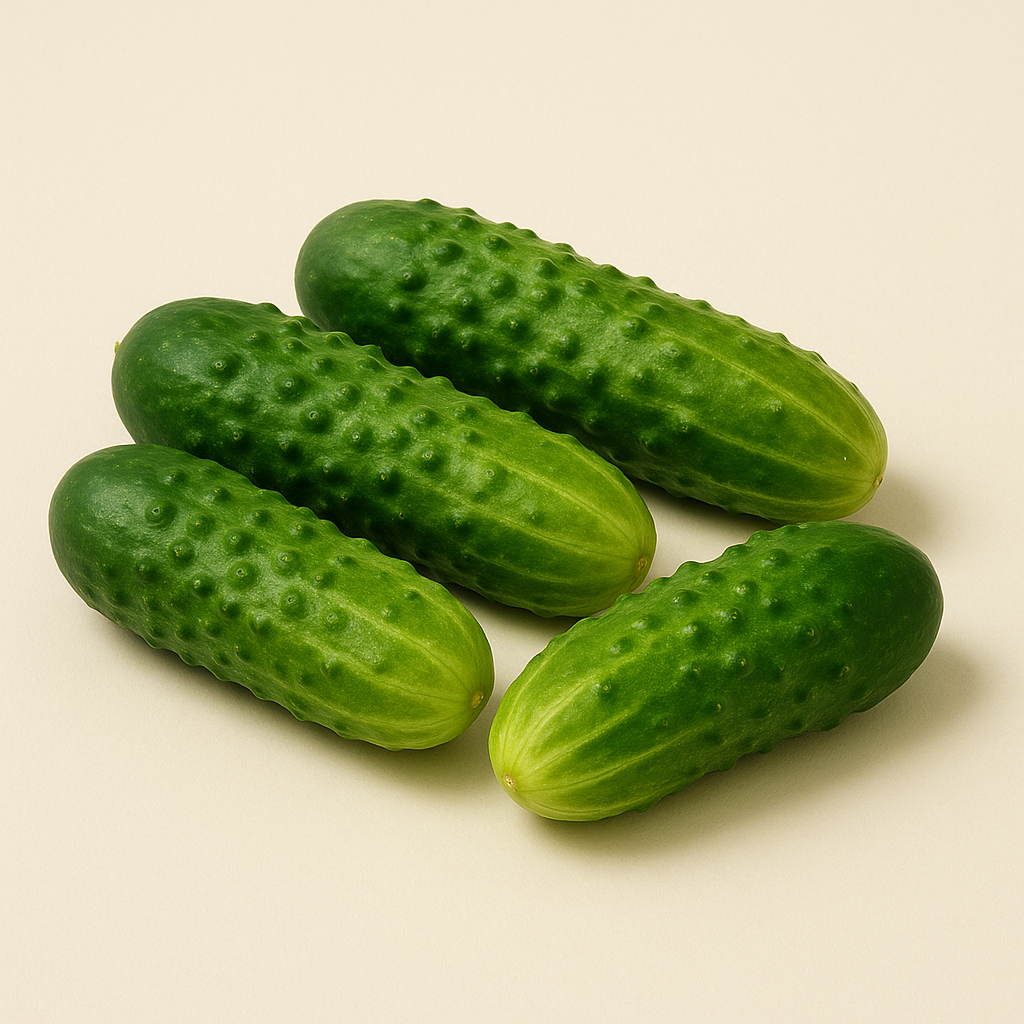
Pickling Cucumbers
Cucumis sativus
Family: Cucurbitaceae
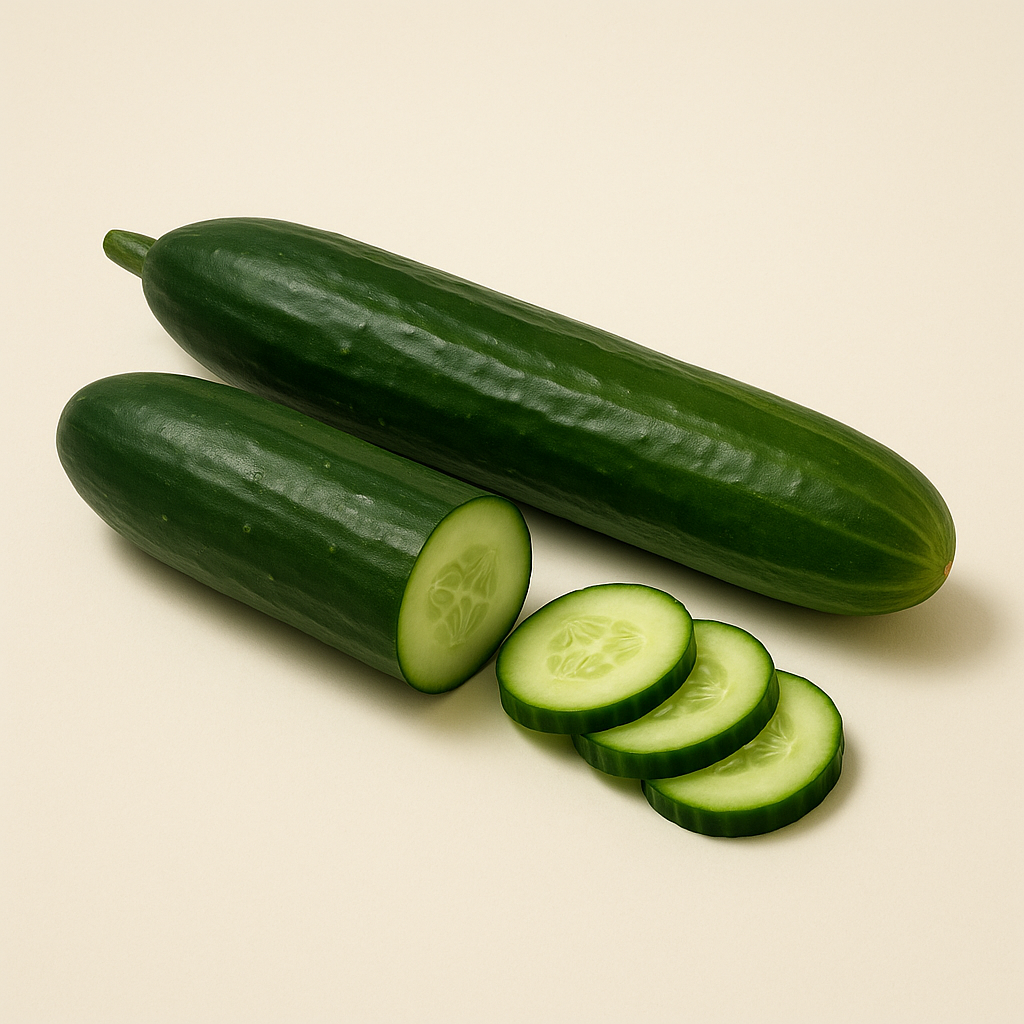
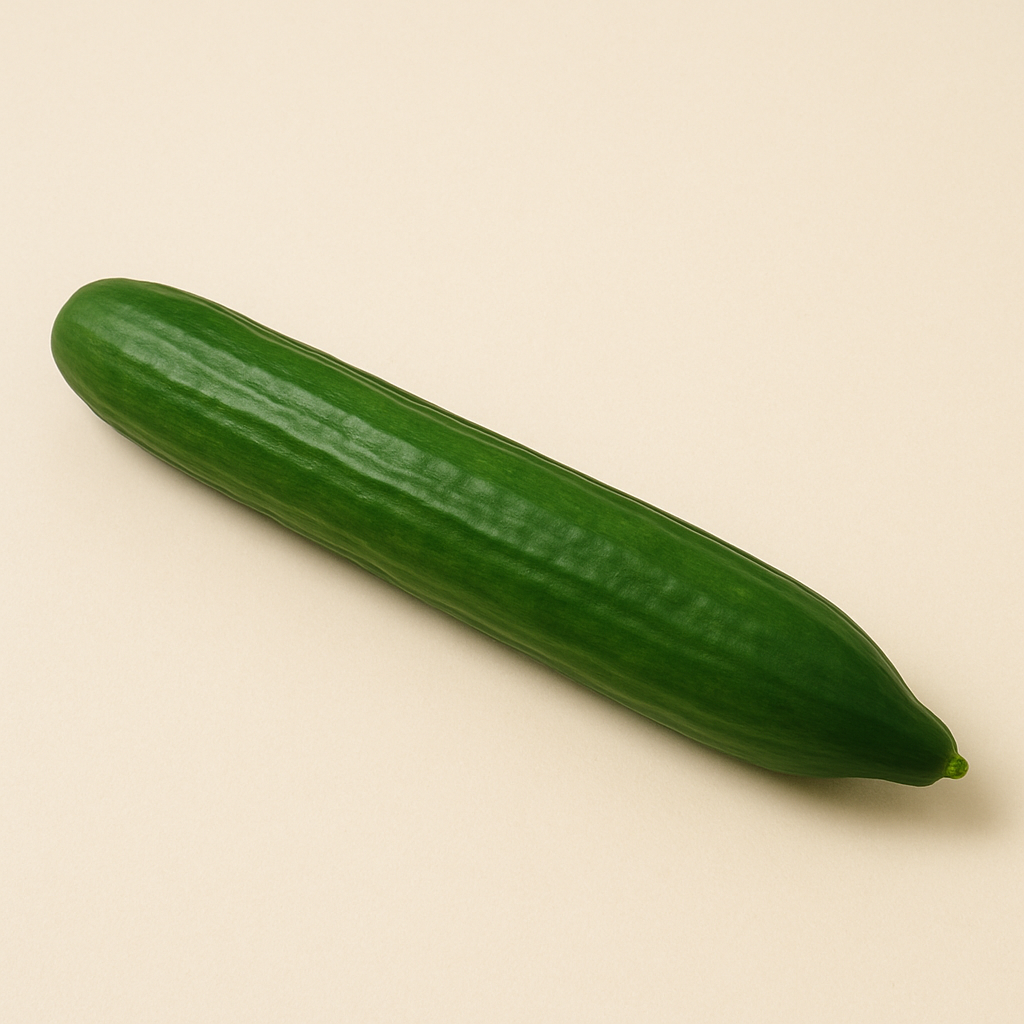
Pickling cucumbers are compact, blocky cucumbers bred specifically for making pickles. They have thinner skins, fewer seeds, and crisper flesh that holds up well to brining. Highly productive and earlier than slicing types.
Days to Harvest
48-60 days
Sun Needs
Full Sun (8+ hours)
high
Germination Temp
85°F optimal
Start Indoors
3 weeks before last frost
Germination
3-10 days
Seed Depth
1 inch
Light to Germinate
No
💡 Tip: Direct sow preferred. Soil must be warm (65°F+). Succession plant every 3-4 weeks for continuous pickle supply.
Soil Type
Rich, well-draining soil
pH Range
6 - 7
Spacing
12 inches between plants when trellised, 36 inches if sprawling
⚠️ Avoid planting near:
History
The art of pickling cucumbers stretches back over 4,000 years to ancient Mesopotamia, where inhabitants of the Tigris Valley preserved cucumbers in acidic brine—likely humanity's first pickled vegetable. Cleopatra attributed her beauty partly to pickled cucumbers, and Roman emperors provisioned their legions with pickle rations for long campaigns. The tradition flourished in Eastern Europe, where Jewish communities developed distinctive brining techniques in the shtetls of Poland, Russia, and Ukraine—immigrants later brought these methods to New York's Lower East Side, establishing the iconic kosher dill pickle. German and Dutch immigrants introduced different styles, leading to bread-and-butter pickles and sweet gherkins. The French refined tiny cornichons as an essential accompaniment to pâtés and charcuterie. American pickle production industrialized in the 19th century, with H.J. Heinz becoming a major producer by the 1870s. Specific cucumber varieties bred for pickling emerged: shorter, blockier fruits with thinner skins to absorb brine, crisper flesh to maintain crunch, and fewer seeds. The critical characteristic is cell structure—pickling cucumbers retain their snap even after months in brine. Today, pickles represent a multi-billion dollar industry, with Americans alone consuming over 9 billion pickles annually. The recent fermentation revival has renewed interest in naturally fermented pickles, rich in probiotics unlike vinegar-brined commercial versions.
Nutritional Benefits
- ✓Low in calories
- ✓Contains Vitamin K
- ✓High water content
Optimal Growing Temp
70°F - 85°F
Pickling cucumbers thrive in warm weather. Growth stops below 55°F and slows above 90°F. Best production occurs between 70-85°F.
Survival Range
50°F - 95°F
Can survive these temperatures
Best USDA Zones
Humidity
50-70%
Moderate humidity is ideal. High humidity increases risk of powdery mildew. Ensure good air circulation.
Height
4-6 feet (vining), 18-24 inches (bush)
Spread
3-5 feet (vining), 2-3 feet (bush)
Growth Habit
vine
Germination
3-10 days
Seeds germinate best at 85°F soil temperature. Cotyledons push through soil first. Warmer soil means faster germination.
Seedling Stage
Duration: 2-3 weeks
True leaves: First true leaves (rough, palmate) appear 7-10 days after sprouting
Transplant ready: Ready when 3-4 inches tall with 2-3 true leaves. Direct sowing preferred as cucumbers dislike transplanting.
Vegetative Growth
Duration: 3-4 weeks after emergence
Rapid vine growth with development of tendrils. Plants establish root systems and begin producing flowering shoots.
Flowering
Timing: 4-5 weeks after emergence
Duration: Continuous throughout season
Cucumbers produce separate male and female flowers. Bees essential for pollination and fruit set.
Fruit Development
Begins: 5-7 days after pollination
Duration: Continuous until frost
Pickling cucumbers develop rapidly—harvest at 2-4 inches for gherkins, 4-6 inches for dills. Check plants DAILY.
Harvest Maturity
Timing: 50-60 days from seed
- Fruits are firm and uniformly colored
- Size appropriate (2-6 inches depending on use)
- Pick frequently for continued production
- Overripe fruits slow new production
Per Plant
10-15 lbs per vining plant, prolific with frequent harvest
Per Square Foot
1-2 lbs per square foot when trellised
Harvest Frequency
DAILY during peak production—pickling cukes grow fast
Factors Affecting Yield
- •Daily harvest is critical—overripe fruits stop production
- •Vining types significantly outyield bush varieties
- •Consistent watering prevents bitter fruits
- •Adequate pollinator activity essential
Seedling Stage
Keep soil consistently moist until established
Established Plants
1-2 inches per week, delivered deeply 2-3 times weekly
During Fruiting
Consistent moisture critical—never let plants wilt
Preferred Method
Drip irrigation or soaker hoses ideal. Water at soil level to keep foliage dry.
⚠️ Critical Watering Periods
- • Flowering
- • Fruit development
- • During heat waves
Pro Tips
- PRO TIP: Water stress causes bitter pickles—consistency is key
- Morning watering so foliage dries quickly
- Mulch heavily (3-4 inches) to retain moisture
- Never let plants wilt—stress causes permanent bitterness
Feeding Schedule
At Planting
Compost and balanced fertilizer worked into soil
Once
Vine Growth
Balanced 10-10-10
Every 3 weeks
First Flowers
Switch to lower nitrogen 5-10-10
Every 2-3 weeks
Peak Production
Liquid fertilizer or side-dress compost
Every 2 weeks
Organic Options
Side-dress with compost when vines begin to run
Minimum Size
5 gallon for bush types
Recommended Size
10 gallon for best production
Depth Required
At least 12 inches deep
Best Varieties for Containers
Container Tips
- Choose bush varieties for containers (Bush Pickle, Picklebush)
- Provide small trellis even in containers
- Container cucumbers need daily watering in hot weather
- Use high-quality potting mix with excellent drainage
Support Type
A-frame trellis, fence, or cattle panel
Height Needed
4-6 feet tall
When to Install
Install at planting time to avoid damaging roots
Method
Cucumbers climb using tendrils. Guide young vines to trellis and they will self-attach.
Tips
- Trellising produces straighter, cleaner cucumbers
- Vertical growing saves significant garden space
- Better air circulation reduces disease
- Easier to spot and harvest small cucumbers
Why Prune
When
Throughout growing season as needed
Technique
Prune lower leaves touching ground. Remove yellowing leaves.
Remove
- ✗ Lower leaves touching soil
- ✗ Yellowing or diseased leaves
- ✗ Excess lateral vines if too dense
Keep
- ✓ Most healthy foliage
- ✓ Main vines and productive laterals
- ✓ All flowers and developing fruits
Plant Every
2-3 weeks
Sowings/Season
2-3 plantings in most climates
Duration
From last frost until 8 weeks before first frost
Tips
- Succession planting ensures steady pickle supply
- Later plantings often avoid peak cucumber beetle pressure
- Plan harvest timing around pickle-making days