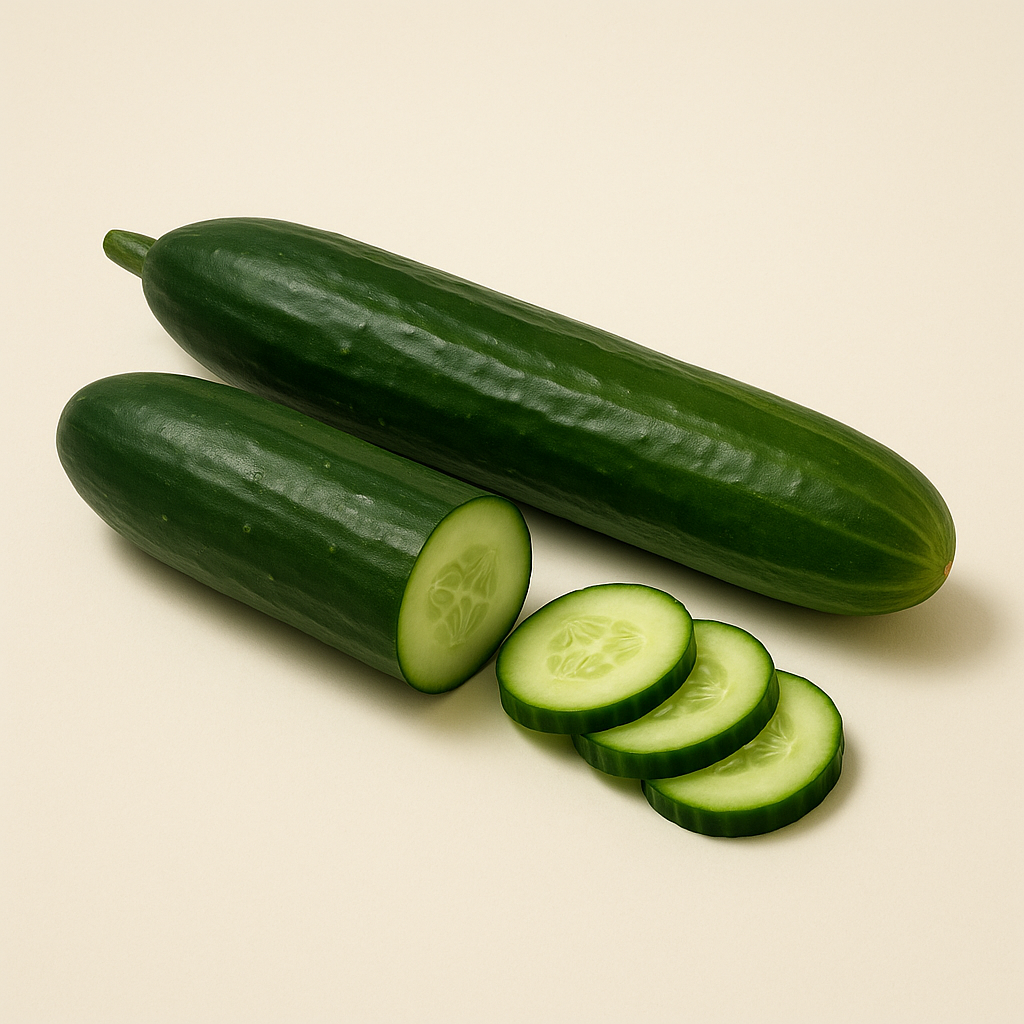
Slicing Cucumbers
Cucumis sativus
Family: Cucurbitaceae
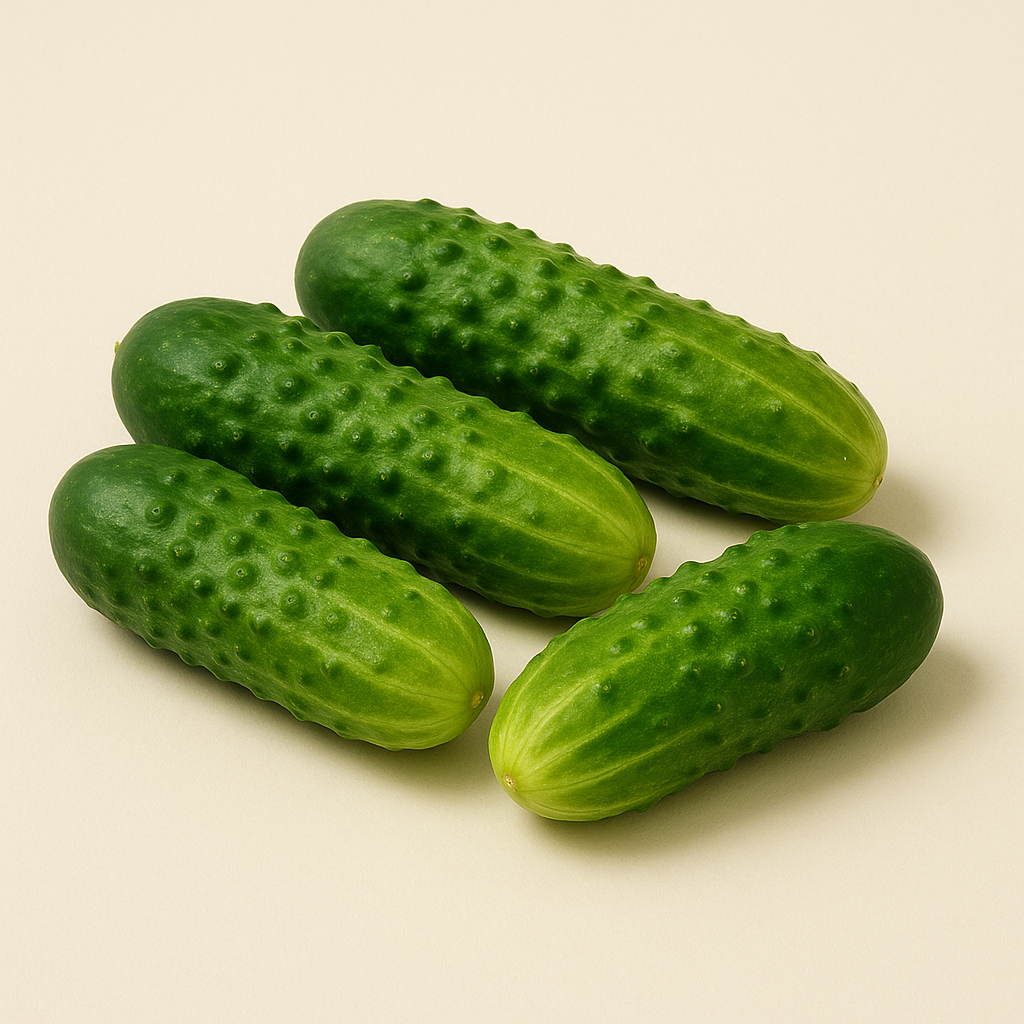
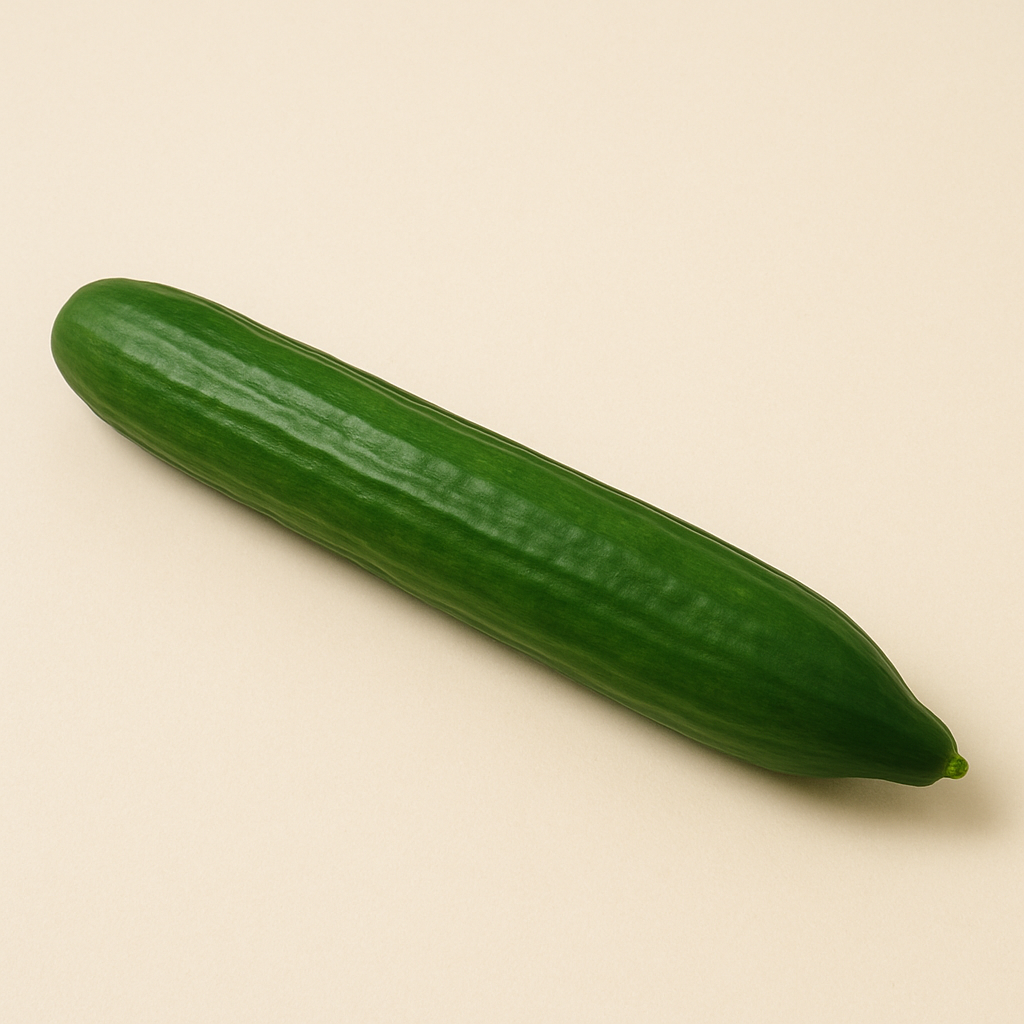
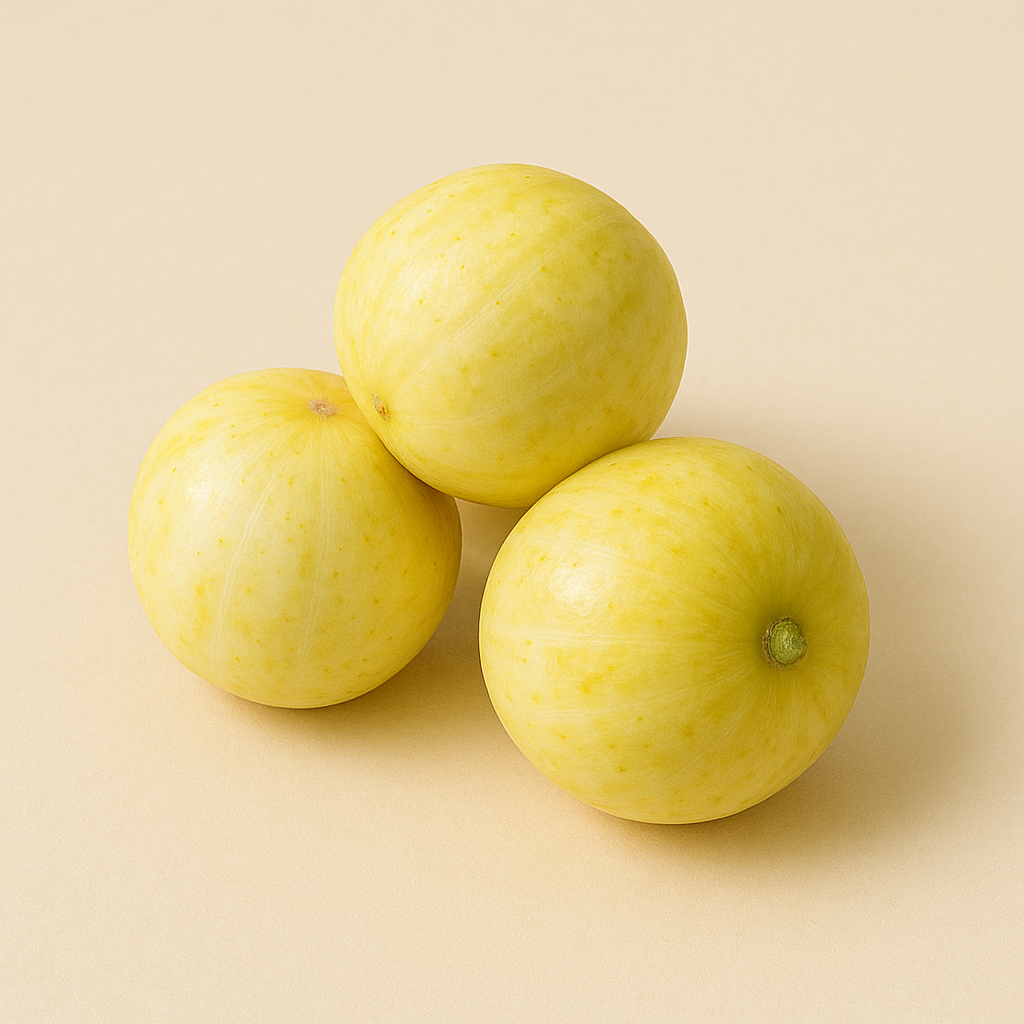
Slicing cucumbers are the classic garden cucumber, bred for fresh eating. These long, smooth-skinned fruits are perfect for salads, sandwiches, and snacking. Vining types are most productive, though bush varieties suit containers.
Days to Harvest
50-70 days
Sun Needs
Full Sun (8+ hours)
high
Germination Temp
85°F optimal
Start Indoors
3 weeks before last frost
Germination
3-10 days
Seed Depth
1 inch
Light to Germinate
No
💡 Tip: Cucumbers dislike transplanting. Start in biodegradable pots or direct sow after soil is warm (65°F+). Use black plastic to warm soil in cooler climates.
Soil Type
Rich, well-draining soil with plenty of organic matter
pH Range
6 - 7
Spacing
36 inches between plants (vining) or 24 inches (bush)
⚠️ Avoid planting near:
History
Cucumbers trace their origins to the foothills of the Himalayas in India, where wild varieties have grown for at least 3,000 years. From India, cucumbers traveled westward along ancient trade routes to Persia, Greece, and Rome—Pliny the Elder records that Emperor Tiberius demanded fresh cucumbers at his table year-round, prompting Roman gardeners to develop early greenhouse-like "specularia" with mica windows. The vegetable appears in ancient Sumerian texts and was beloved in ancient Egypt, where it was said to grow in the famous hanging gardens. Medieval Europeans regarded cucumbers with suspicion, believing them dangerous eaten raw, but eventually embraced them. Christopher Columbus introduced cucumbers to Haiti in 1494, and they spread rapidly throughout the Americas. The modern distinction between "slicing" and "pickling" cucumbers developed primarily in 19th-century America, though English gardeners had long bred elegant long cucumbers for fresh eating. Greenhouse cucumber cultivation, particularly the English or European types, reached extraordinary sophistication in Victorian England. Today cucumbers are grown on every continent, with China producing over 75% of the world's supply. The phrase "cool as a cucumber" entered English in the 1700s, reflecting the fruit's ability to maintain temperatures significantly cooler than the surrounding air.
Nutritional Benefits
- ✓Very high water content (96%)
- ✓Low in calories
- ✓Contains Vitamin K
Optimal Growing Temp
70°F - 85°F
Cucumbers thrive in warm weather. Growth stops below 55°F and slows above 90°F. Best production occurs between 70-85°F. Night temperatures above 60°F encourage strong vine growth.
Survival Range
50°F - 95°F
Can survive these temperatures
Frost Note: Cucumbers are extremely frost-sensitive. Any frost will kill plants. Even temperatures below 50°F cause stress, yellowing, and stunted growth. Wait until soil warms to 65°F before planting.
Best USDA Zones
Humidity
50-70%
Moderate humidity is ideal. High humidity (>80%) increases risk of powdery mildew and other fungal diseases. In humid climates, ensure excellent air circulation and avoid overhead watering.
Height
5-8 feet
Spread
3-6 feet
Growth Habit
vine
Germination
3-10 days
Seeds germinate best at 85°F soil temperature. First seedlings emerge pushing cotyledons (seed leaves) through soil. Warmer soil means faster, more uniform germination.
Seedling Stage
Duration: 2-3 weeks
True leaves: First true leaves (rough, palmate) appear 7-10 days after sprouting
Transplant ready: Ready when 3-4 inches tall with 2-3 true leaves. Cucumbers dislike transplanting—use biodegradable pots or direct sow. Transplant before roots become pot-bound.
Vegetative Growth
Duration: 3-4 weeks after transplant
Rapid vine growth with development of tendrils and large leaves. Plants establish extensive root systems and begin producing flowering shoots. Vining types will begin to run and need support.
Flowering
Timing: 4-5 weeks after transplant
Duration: Continuous throughout season
Cucumbers produce separate male and female flowers on the same plant. Male flowers appear first, followed by females (identifiable by tiny cucumber behind the flower). Bees and other pollinators are essential for fruit set.
Fruit Development
Begins: Begins 7-10 days after pollination
Duration: Continuous until frost
Fruits develop rapidly, reaching harvest size in 7-12 days from pollination. Daily harvest encourages continued production. Overripe cucumbers left on vine reduce further fruiting.
Harvest Maturity
Timing: 50-70 days from seed
- Fruits are firm and uniformly colored (variety-dependent)
- Size appropriate for variety (typically 6-9 inches for slicers)
- Skin is smooth and glossy, not dull
- Seeds are still small and tender (not hard)
- Harvest before yellowing or seedy development
Per Plant
10-20 lbs per vining plant, 3-5 lbs per bush type
Per Square Foot
1-2 lbs per square foot when trellised
Harvest Frequency
Every 1-2 days at peak production
Factors Affecting Yield
- •Variety selection - vining types significantly outyield bush varieties
- •Trellising - increases yield per square foot and improves fruit quality
- •Consistent watering - drought stress reduces fruit set and causes bitterness
- •Regular harvest - picking frequently encourages continued production
- •Pollination - adequate pollinator activity essential for fruit development
- •Temperature - extended hot weather (95°F+) can reduce fruit set
- •Pest control - cucumber beetles and diseases significantly reduce yield
Seedling Stage
Keep soil consistently moist until established—daily or twice daily in hot weather
Established Plants
1-2 inches per week, delivered deeply 2-3 times weekly
During Fruiting
Consistent moisture is critical during flowering and fruiting—never let plants wilt as this causes bitterness
Preferred Method
Drip irrigation or soaker hoses are ideal. Water at soil level to keep foliage dry and prevent leaf diseases. Avoid overhead watering which promotes powdery mildew and other fungal issues.
⚠️ Critical Watering Periods
- • Flowering
- • Fruit development
- • During heat waves
Pro Tips
- Water in early morning so foliage dries quickly
- Mulch heavily (3-4 inches) to retain moisture and keep soil cool
- Never let plants wilt—stress causes permanent bitterness
- Consistent water prevents misshapen fruits and hollow centers
Feeding Schedule
At Planting
Compost and balanced fertilizer worked into soil
Once
Vine Growth
Balanced 10-10-10
Every 3 weeks
First Flowers
Switch to lower nitrogen 5-10-10
Every 2-3 weeks
Peak Production
Liquid fertilizer or side-dress compost
Every 2 weeks
Organic Options
Side-dress with compost when vines begin to run. Apply fish emulsion or compost tea every 2 weeks during fruiting. Avoid fresh manure which burns plants.
Minimum Size
5 gallon for bush types, 10 gallon for vining types
Recommended Size
10-15 gallon for best production
Depth Required
At least 12 inches deep, 16 inches ideal
Best Varieties for Containers
Container Tips
- Choose bush or compact varieties for containers (Bush Champion, Spacemaster)
- Provide vertical trellis or cage even in containers—improves yield and saves space
- Container cucumbers need daily watering in hot weather
- Use high-quality potting mix with excellent drainage
- Feed every 2 weeks with balanced liquid fertilizer
- Place containers in full sun with afternoon shade in very hot climates
- Self-watering containers work exceptionally well for cucumbers
Support Type
A-frame trellis, fence, cattle panel, or sturdy cage
Height Needed
5-6 feet tall
When to Install
Install at planting time to avoid damaging roots
Method
Cucumbers climb using tendrils. Guide young vines to trellis and they will self-attach. No tying necessary. Train main vine vertically and allow laterals to weave through support. For heavy production, prune some lateral vines to focus energy.
Tips
- Trellising produces straighter, cleaner cucumbers that are easier to spot at harvest
- Vertical growing saves significant garden space—up to 75% less ground area
- Better air circulation reduces disease pressure, especially powdery mildew
- Harvest is easier—no bending and cucumbers hang at eye level
- Use A-frame trellis so cucumbers hang down for straight growth
- Fruits growing on ground often develop flat spots and are more prone to rot
Why Prune
When
Throughout growing season as needed
How Often
Weekly inspection and light pruning as needed
Technique
Prune lower leaves that touch the ground to reduce disease. Remove damaged or yellowing leaves. For trellised plants, prune some lateral vines to encourage vertical growth and larger fruits. Leave most foliage—it powers fruit production.
Remove
- ✗ Lower leaves touching soil (first 6-8 inches)
- ✗ Yellowing or diseased leaves
- ✗ Excess lateral vines if plant becomes too dense
- ✗ Growing tip 4 weeks before frost to ripen existing fruits
Keep
- ✓ Most healthy foliage—leaves power fruit production
- ✓ Main vines and productive laterals
- ✓ All flowers and developing fruits
Plant Every
3-4 weeks
Sowings/Season
2-3 plantings in most climates
Duration
From last frost until 8-10 weeks before first frost
Tips
- First planting after soil warms to 65°F
- Second planting 3-4 weeks later extends harvest
- Third planting in mid-summer for fall harvest (where season allows)
- Succession planting provides insurance against pest damage or disease
- Later plantings often avoid peak cucumber beetle pressure