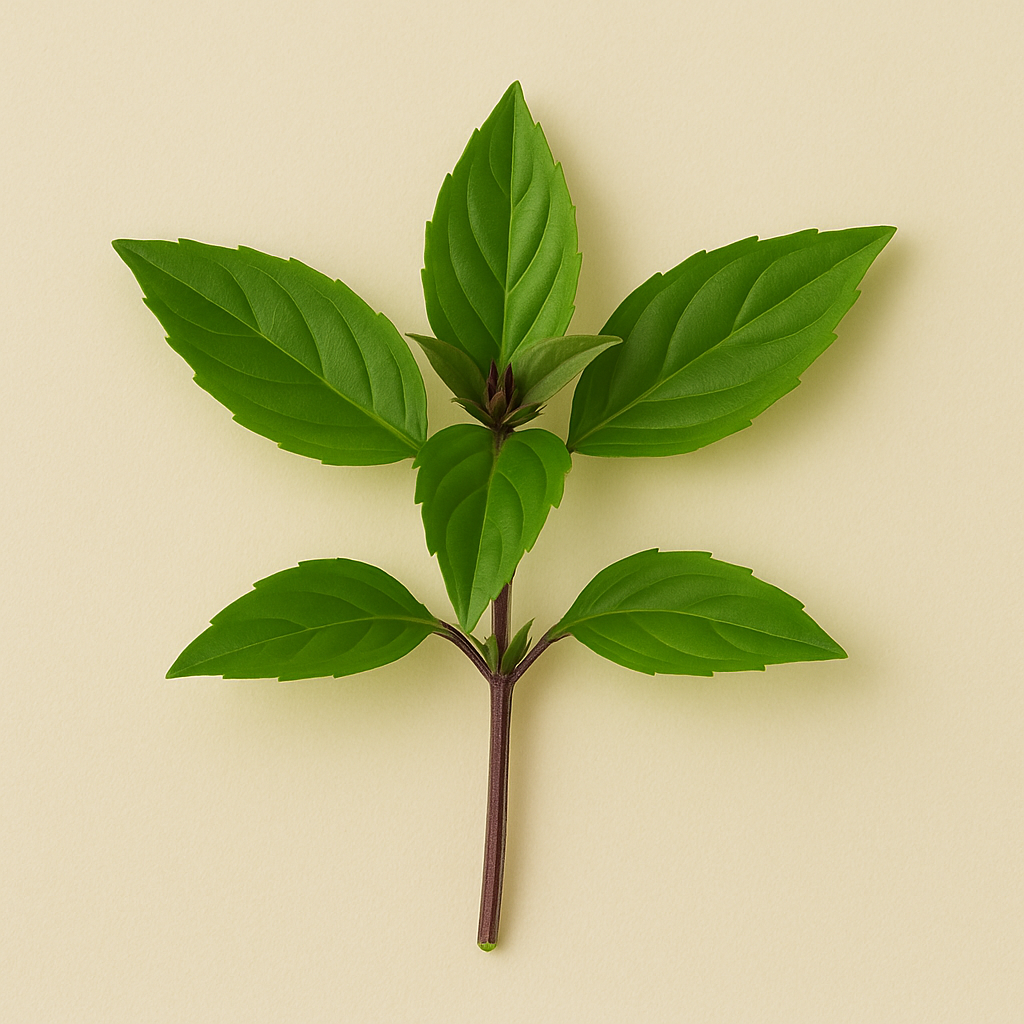
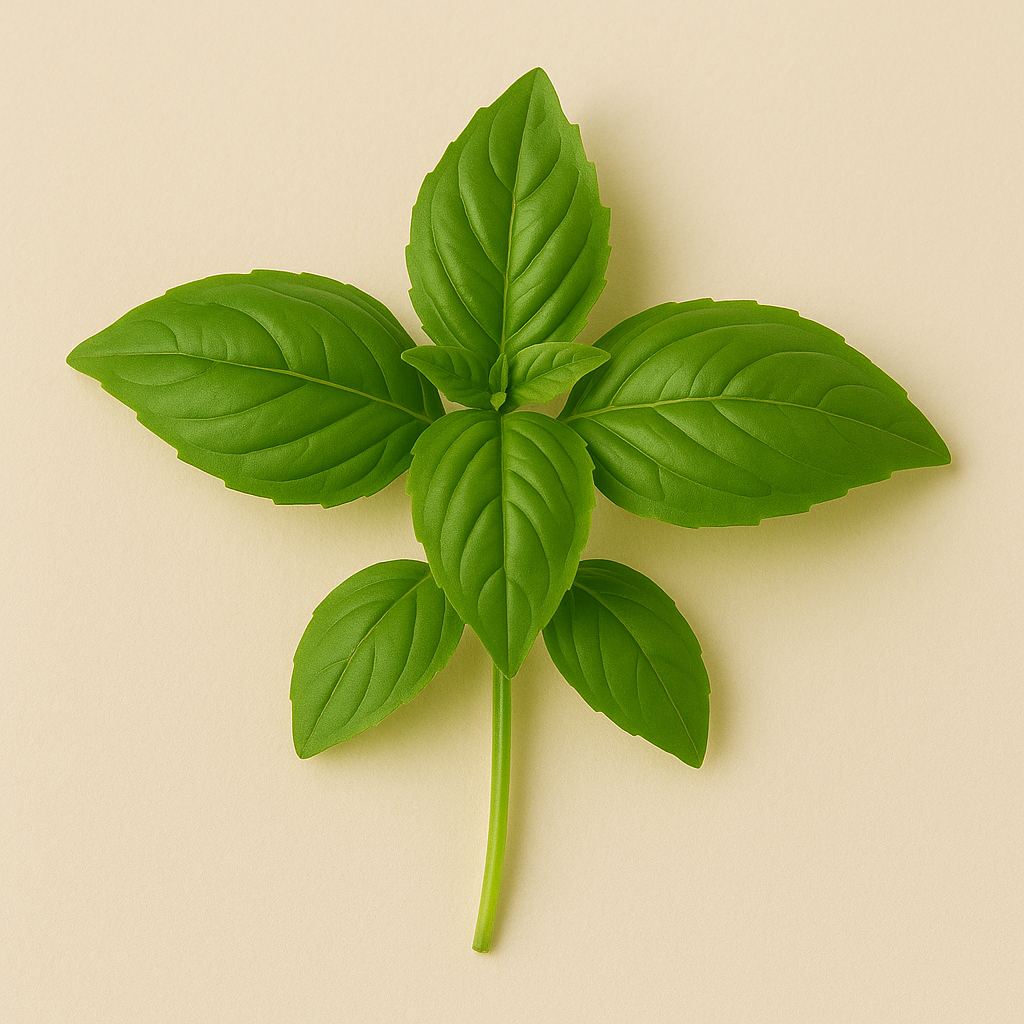
Genovese Basil
Ocimum basilicum
Family: Lamiaceae
Genovese basil is the classic Italian basil variety prized for making authentic pesto. It produces large, dark green, aromatic leaves with a sweet, slightly peppery flavor. This annual herb is a must-have for any kitchen garden.
Days to Harvest
60-90 days
Sun Needs
Full Sun (6-8+ hours)
moderate
Germination Temp
70°F optimal
Start Indoors
6 weeks before last frost
Germination
5-10 days
Seed Depth
1/4 inch
Light to Germinate
Yes
💡 Tip: Seeds need light to germinate. Press lightly into surface and keep moist. Do not cover deeply.
Soil Type
Rich, well-draining soil with good organic matter
pH Range
6 - 7
Spacing
12-18 inches between plants
⚠️ Avoid planting near:
History
Basil (Ocimum basilicum) originated in tropical regions of central Africa and Southeast Asia, with India being a major center of early cultivation where the herb held sacred significance in Hindu traditions—the name "basil" derives from the Greek "basileus" meaning "king" or "royal." The herb traveled westward along ancient spice routes, reaching the Mediterranean by way of Alexander the Great's conquests around 350 BCE. While basil is now synonymous with Italian cuisine, its adoption in the Mediterranean was initially tentative; ancient Romans associated it with hatred and misfortune, though this superstition eventually gave way to love symbolism. Genovese basil specifically developed in the Liguria region of northwestern Italy, with Genoa at its heart, where the unique microclimate—mild temperatures, sea breezes, and specific soil conditions—produced basil with exceptional aromatic oils. The first recorded recipe for pesto alla Genovese appeared in Giovanni Battista Ratto's "La Cuciniera Genovese" in 1863, though the sauce likely existed for centuries before in the region's home kitchens. Today, authentic Genovese basil from Pra', a suburb of Genoa, carries DOP (Protected Designation of Origin) status, recognizing its unique terroir.
Nutritional Benefits
- ✓Rich in Vitamin K
- ✓Contains antioxidants and anti-inflammatory compounds
- ✓Good source of manganese
Optimal Growing Temp
60°F - 75°F
Grows best 60-75°F. Below 50°F slows growth. Above 85°F triggers bolting. Light frost may damage leaves but plant often recovers.
Survival Range
32°F - 90°F
Can survive these temperatures
Frost Note: Will be killed by hard frost below 28°F. Light frost may damage leaves. Harvest before first frost.
Best USDA Zones
Humidity
40-60%
Tolerates humidity but good air circulation prevents fungal diseases like downy mildew.
Height
12-24 inches
Spread
12-18 inches
Growth Habit
upright
Germination
5-10 days
First cotyledon leaves emerge. Basil needs light to germinate—do not bury deeply.
Seedling Stage
Duration: 2-3 weeks
True leaves: First true leaves appear 7-10 days after germination
Transplant ready: Ready to transplant when 3-4 inches tall with 2-4 sets of true leaves and no risk of frost
Vegetative Growth
Duration: 4-6 weeks after transplant
Rapid leaf growth. Pinch growing tips weekly to encourage bushiness and prevent early flowering.
Flowering
Timing: 6-8 weeks after transplant (earlier in heat)
Duration: Continuous once started
Insect-pollinated, primarily by bees. Flowers are white and appear on terminal spikes.
Harvest Maturity
Timing: 60-90 days from seed for full maturity
- Plants 12+ inches tall
- Multiple branching stems
- Continuous leaf production before flowering
Per Plant
1-2 cups fresh leaves per harvest, multiple harvests per season
Harvest Frequency
Every 2-3 weeks throughout growing season
Factors Affecting Yield
- •Regular harvesting increases yield by preventing flowering
- •Warm temperatures speed growth
- •Adequate water and nutrients boost leaf production
- •Pinching flower buds extends harvest window significantly
Seedling Stage
Keep consistently moist but not waterlogged. Mist daily.
Established Plants
1 inch per week. Water deeply 2-3 times weekly depending on heat.
During Fruiting
Not applicable—harvest before flowering for culinary use.
Preferred Method
Water at base of plant, avoiding foliage. Drip irrigation or soaker hose ideal. Morning watering prevents fungal diseases.
⚠️ Critical Watering Periods
- • Seedling establishment
- • Hot weather when bolting is imminent
Pro Tips
- Basil needs consistent moisture—drought stress triggers flowering
- Mulch lightly to retain moisture without touching stems
- Container basil needs more frequent watering than in-ground
- Water in morning so foliage dries before evening
Feeding Schedule
Seedling
Weak liquid fertilizer or compost tea
Every 2 weeks at half strength
Vegetative growth
Balanced liquid fertilizer (fish emulsion, seaweed)
Every 3-4 weeks
Continuous harvest
Light balanced fertilizer
Monthly
Organic Options
Apply diluted liquid fertilizers to moist soil. Side-dress with compost monthly.
Minimum Size
6 inches diameter, 1 gallon
Recommended Size
10-12 inches diameter, 2-3 gallons for best production
Depth Required
8-10 inches minimum
Best Varieties for Containers
Container Tips
- Excellent container herb—often more productive than in-ground
- Use well-draining potting mix with added perlite
- Containers dry faster—check soil daily in summer heat
- Move containers to shade during extreme heat to prevent bolting
- Bottom watering reduces fungal disease on leaves
Why Prune
When
Begin when plant is 6 inches tall. Continue weekly throughout season.
How Often
Weekly during active growth
Technique
Pinch or cut stem just above a leaf node (where leaves emerge). Remove top 1-2 inches including any flower buds. Always leave at least 2-3 leaf sets on plant.
Remove
- ✗ Flower buds immediately when they appear
- ✗ Top growth tips to encourage branching
- ✗ No more than 1/3 of plant per harvest
Keep
- ✓ Lower leaves and stems for continued growth
- ✓ At least 4-6 leaves per stem
Plant Every
Every 2-3 weeks
Sowings/Season
4-6 plantings for continuous supply
Duration
From 2 weeks after last frost until 8 weeks before first frost
Tips
- Each planting produces for 6-8 weeks before bolting
- Succession planting ensures fresh leaves all season
- Start last planting 8-10 weeks before first frost
- Consider both spring and fall plantings in zones 7+