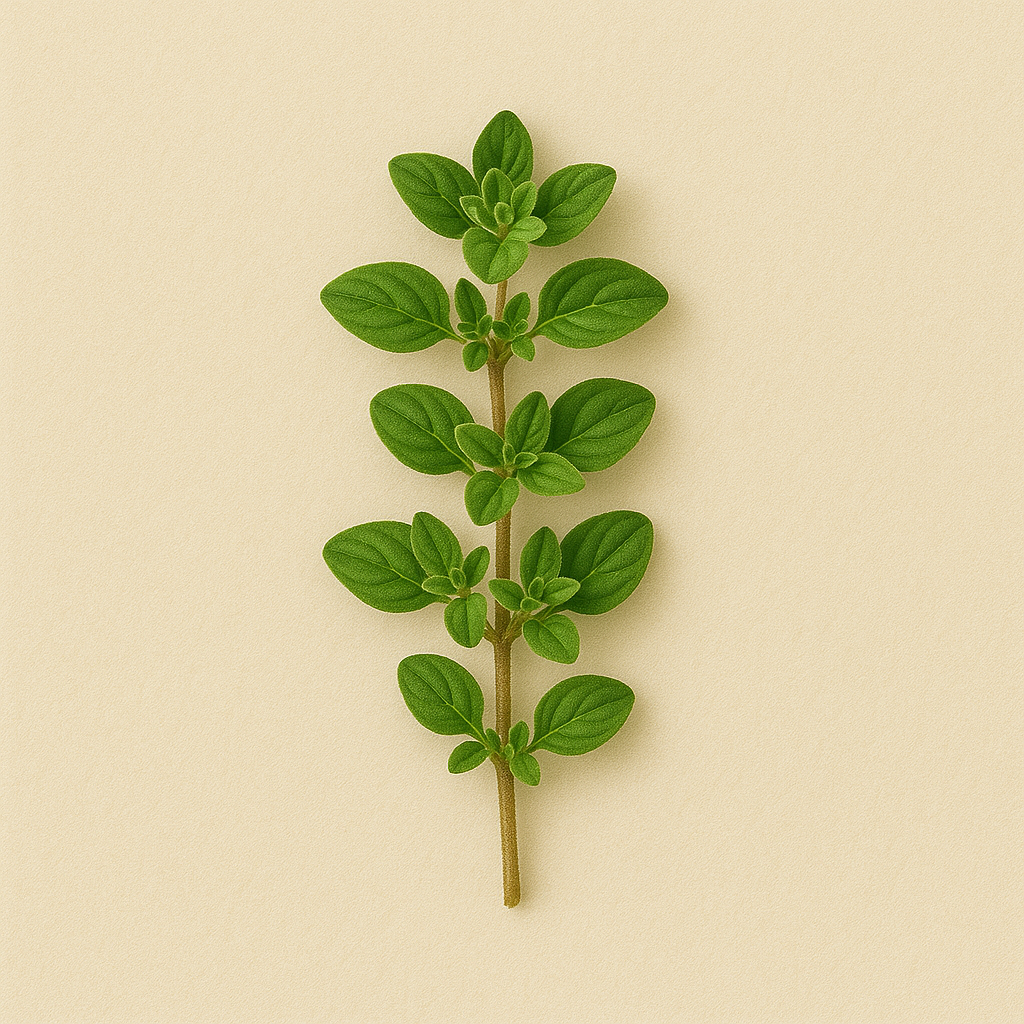
Greek Oregano
Origanum vulgare subsp. hirtum
Family: Lamiaceae
Greek oregano is the gold standard for pizza and Italian cooking. This perennial herb has small, fuzzy leaves packed with pungent, savory flavor.
Days to Harvest
75-90 days
Sun Needs
Full Sun (6-8+ hours)
low
Germination Temp
70°F optimal
Start Indoors
6 weeks before last frost
Germination
7-14 days
Seed Depth
Surface sow
Light to Germinate
Yes
💡 Tip: Press seeds into surface. Keep moist until germination.
Soil Type
Well-draining, average to poor soil
pH Range
6 - 8
Spacing
12-15 inches between plants
⚠️ Avoid planting near:
History
The name oregano derives from the Greek "oros" (mountain) and "ganos" (joy), literally meaning "joy of the mountain"—a name the ancient Greeks gave to the aromatic herb that carpeted their hillsides. Aphrodite, goddess of love, was said to have created oregano as a symbol of happiness, and Greek brides and grooms wore wreaths of oregano at their weddings. The herb spread throughout the Mediterranean with Greek and Roman expansion, becoming fundamental to cuisines from Italy to Turkey. However, oregano remained relatively unknown in America until World War II, when returning GIs brought back a taste for the "pizza herb" they had encountered in Italy. The explosion of pizza popularity in postwar America transformed oregano from an obscure Mediterranean herb to a supermarket staple. True Greek oregano (Origanum vulgare subsp. hirtum) is significantly more pungent than common oregano, with higher concentrations of carvacrol—the compound responsible for its distinctive flavor and aroma. Mexican oregano (Lippia graveolens) is actually a different plant entirely, though it serves a similar culinary purpose in Mexican and Tex-Mex cooking. Oregano oil has gained popularity in the wellness industry for its potent antimicrobial compounds, though these are present in much lower concentrations in the culinary herb.
Nutritional Benefits
- ✓High in antioxidants
- ✓Contains carvacrol and thymol
- ✓Antimicrobial properties
Optimal Growing Temp
65°F - 80°F
Oregano thrives in warm to hot weather. Mediterranean native that loves heat and sunshine. Growth slows in cool weather but plants remain hardy.
Survival Range
40°F - 95°F
Can survive these temperatures
Frost Note: Very cold hardy once established (zones 5-10). Dies back to ground in cold winters but regrows reliably from roots in spring. Mulch in coldest zones.
Best USDA Zones
Humidity
30-50%
Prefers low to moderate humidity. Excellent drainage and air circulation essential in humid climates. Mediterranean herb adapted to dry conditions.
Height
12-24 inches
Spread
18-24 inches
Growth Habit
spreading
Germination
7-14 days
Tiny seedlings emerge slowly. Seeds need light and warmth for best germination. Do not cover seeds deeply.
Seedling Stage
Duration: 4-6 weeks
True leaves: First true leaves are small, oval, and aromatic. Grow slowly at first but accelerate once established.
Transplant ready: Transplant when 3-4 inches tall with 2-3 sets of true leaves (8-10 weeks from sowing).
Vegetative Growth
Duration: Continuous during growing season
Forms spreading mounds of aromatic foliage. Pinch regularly to encourage bushy growth and delay flowering. Harvest leaves anytime.
Flowering
Timing: Mid to late summer
Duration: 4-6 weeks
Small white or pink flowers extremely attractive to bees and butterflies. Self-fertile.
Harvest Maturity
Timing: 70-90 days to harvest
- Dense, bushy growth
- Strong oregano fragrance
- Ready to flower
Per Plant
2-4 cups fresh leaves per plant over the season. Mature plants produce abundantly.
Per Square Foot
1-2 plants per square foot (plants spread to fill space)
Harvest Frequency
Harvest continuously every 1-2 weeks. Cut up to 1/3 of plant at once. Heaviest harvest just before flowering.
Factors Affecting Yield
- •Full sun produces strongest flavor
- •Lean soil concentrates essential oils
- •Regular harvesting increases production
- •Hot, dry weather enhances flavor
Seedling Stage
Keep soil lightly moist until established. Water gently to avoid disturbing tiny seeds.
Established Plants
Water when soil is dry 1-2 inches deep. Typically every 5-7 days. Oregano is drought-tolerant once established.
During Fruiting
Reduce watering slightly during flowering to concentrate flavor.
Preferred Method
Water at soil level only. Never wet the foliage. Drip irrigation ideal. Excellent drainage essential.
Pro Tips
- Less is more—oregano prefers dry conditions
- Better to underwater than overwater
- Good drainage more important than regular watering
- Mediterranean herbs evolved in dry rocky soil
Feeding Schedule
Planting
Light compost
Once at planting
Established
Compost tea or very dilute fertilizer
Once in spring (optional)
Organic Options
Oregano needs minimal fertilizer. Lean soil produces the most flavorful leaves. Overfertilizing creates lush but tasteless plants.
Minimum Size
8 inch pot
Recommended Size
10-14 inch pot
Depth Required
At least 8-10 inches deep
Best Varieties for Containers
Container Tips
- Oregano thrives in containers
- Use very well-draining soil mix with added perlite
- Allow soil to dry between waterings
- Can overwinter indoors in sunny window
- Pruning keeps plants compact in containers