
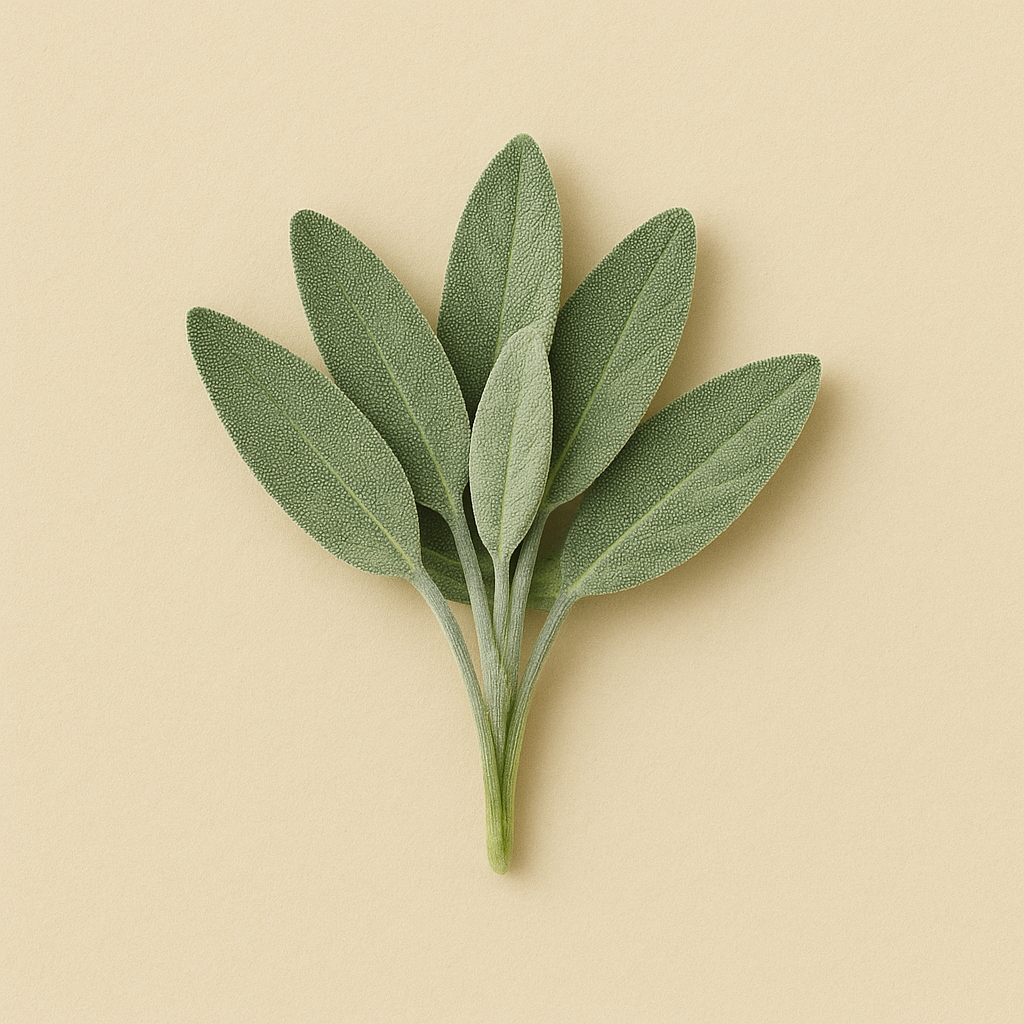
Garden Sage
Salvia officinalis
Family: Lamiaceae
Garden sage is a woody perennial with velvety gray-green leaves and a warm, earthy, slightly peppery flavor. It is essential for holiday stuffings and pairs beautifully with pork, chicken, and winter squash.
Days to Harvest
75-90 days
Sun Needs
Full Sun (6-8+ hours)
low
Germination Temp
70°F optimal
Start Indoors
8 weeks before last frost
Germination
10-21 days
Seed Depth
1/4 inch
Light to Germinate
Yes
💡 Tip: Lightly cover seeds. Keep moist.
Soil Type
Well-draining, sandy soil
pH Range
6 - 7
Spacing
24-30 inches between plants
⚠️ Avoid planting near:
History
The Romans considered sage sacred and used it in religious ceremonies. Its Latin name "salvia" means "to save" or "to heal."
Nutritional Benefits
- ✓Contains antioxidants
- ✓May support brain health
- ✓Traditional sore throat remedy
Optimal Growing Temp
60°F - 75°F
Sage prefers moderate temperatures. Tolerates heat and cold well once established. Mediterranean native.
Survival Range
25°F - 90°F
Can survive these temperatures
Frost Note: Hardy to zone 4-5. Semi-evergreen in mild winters. May die back in severe cold but regrows from roots.
Best USDA Zones
Humidity
30-50%
Prefers low humidity. Good drainage and air circulation essential.
Height
18-24 inches
Spread
18-24 inches
Growth Habit
clumping
Germination
10-21 days
Moderate germination rate. Seeds need light and warmth.
Seedling Stage
Duration: 4-6 weeks
True leaves: Fuzzy, gray-green leaves with distinctive sage scent.
Transplant ready: When 4-5 inches tall (8-10 weeks from seed).
Vegetative Growth
Duration: Continuous
Forms bushy mounds of soft, gray-green foliage. Harvest leaves anytime. Prune to maintain shape.
Flowering
Timing: Late spring to summer
Duration: 3-4 weeks
Purple-blue flower spikes attractive to bees.
Harvest Maturity
Timing: 75-90 days from seed
- Full, bushy growth
- Woody base developing
- Ready to flower
Per Plant
2-4 cups fresh leaves per season from mature plants.
Per Square Foot
1 plant per 2-3 square feet
Harvest Frequency
Harvest sprigs as needed. Heaviest harvest before flowering.
Factors Affecting Yield
- •Full sun
- •Well-draining soil
- •Regular harvest encourages growth
Seedling Stage
Keep lightly moist.
Established Plants
Water when dry 1-2 inches deep. Every 5-7 days.
During Fruiting
Reduce slightly during flowering.
Preferred Method
Water at soil level. Good drainage essential.
Pro Tips
- Drought tolerant once established
- Better to underwater than overwater
Feeding Schedule
Spring
Light compost
Once annually
Organic Options
Light feeding only. Lean soil produces best flavor.
Minimum Size
10 inch pot
Recommended Size
12-14 inch pot
Depth Required
At least 10-12 inches
Best Varieties for Containers
Container Tips
- Grows well in containers
- Use well-draining soil
- Allow to dry between waterings
- Overwinter indoors in cold climates
Why is my sage woody and scraggly?
Sage becomes woody with age. Prune heavily in spring (before new growth) to rejuvenate. Replace plants every 4-5 years when they become too woody.
Can I harvest sage year-round?
Yes in mild climates. In cold zones, harvest heavily before frost and bring some indoors. Fresh sage has the best flavor, but dried sage is traditional for stuffings.
More Culinary Herbs
All Culinary Herbs →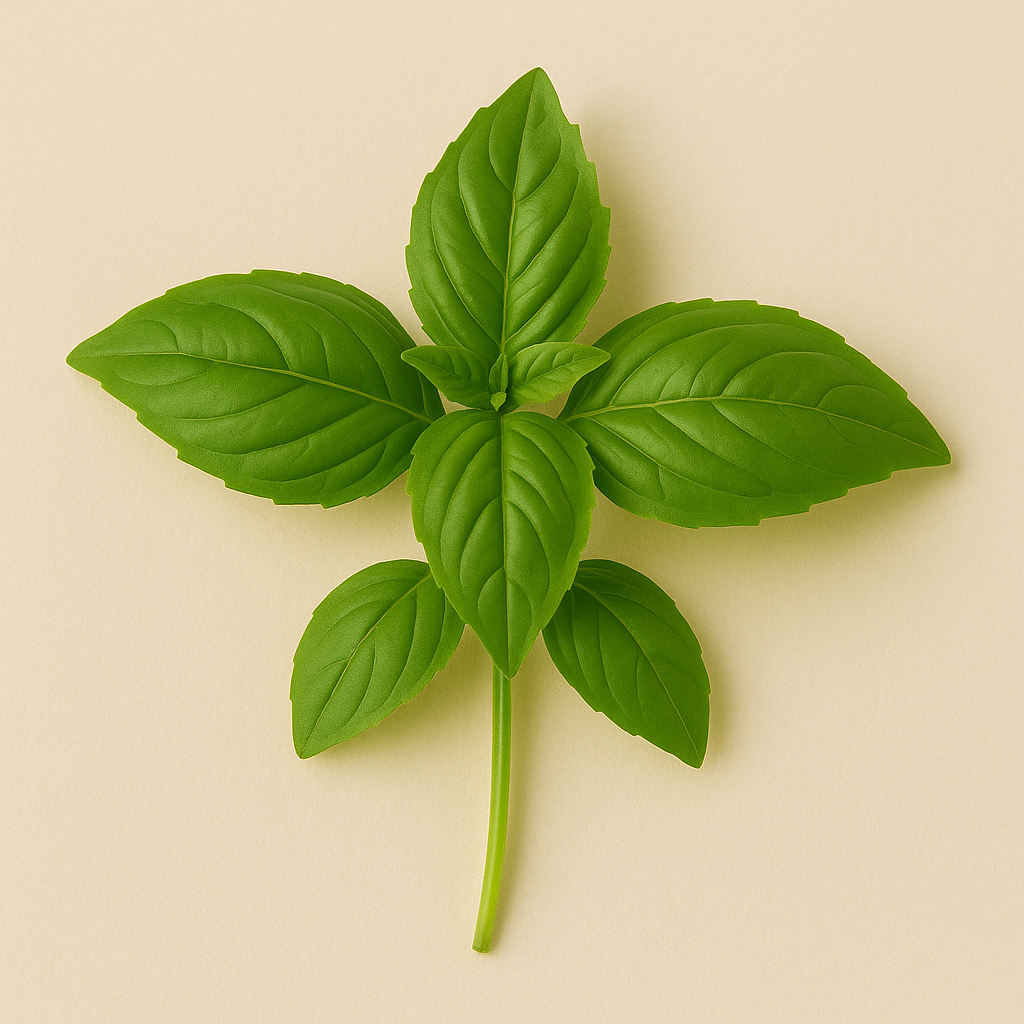
Genovese Basil
Ocimum basilicum
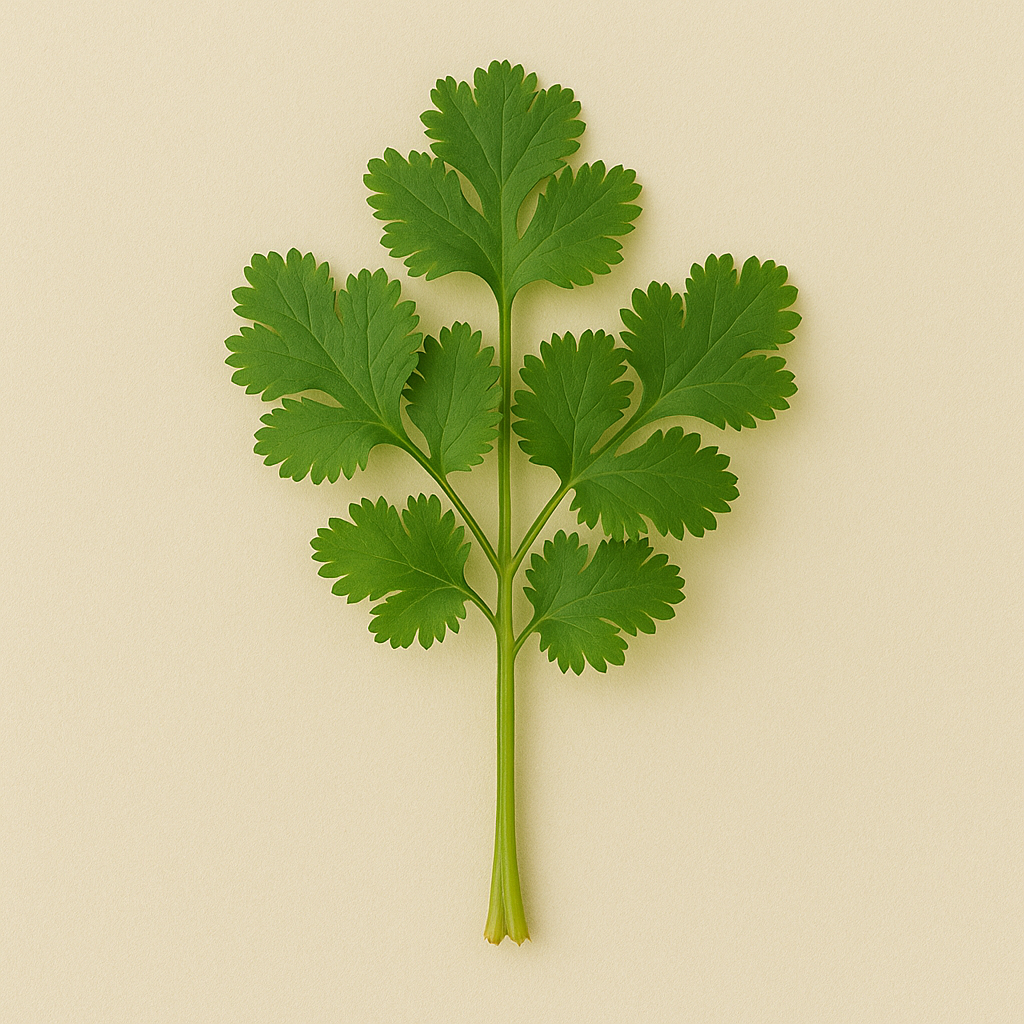
Cilantro/Coriander
Coriandrum sativum
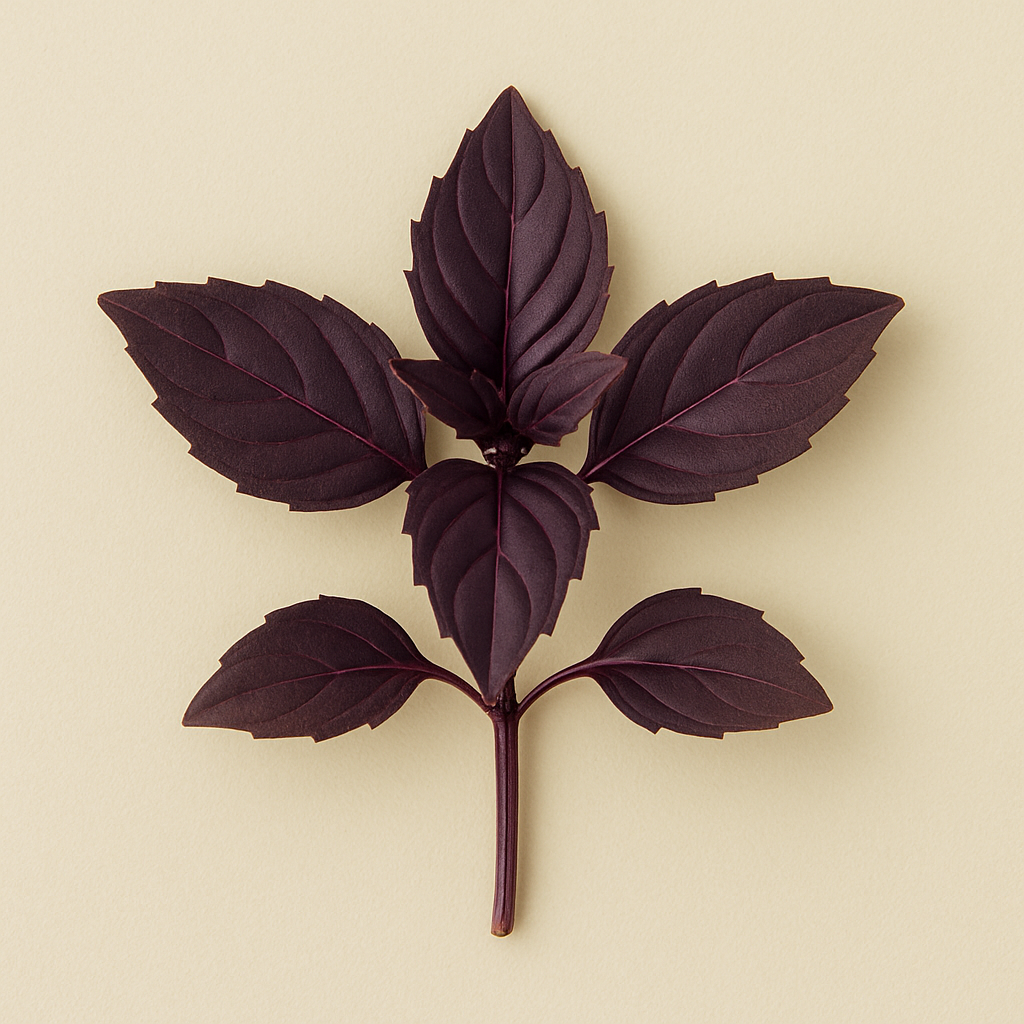
Purple Basil
Ocimum basilicum var. purpurascens
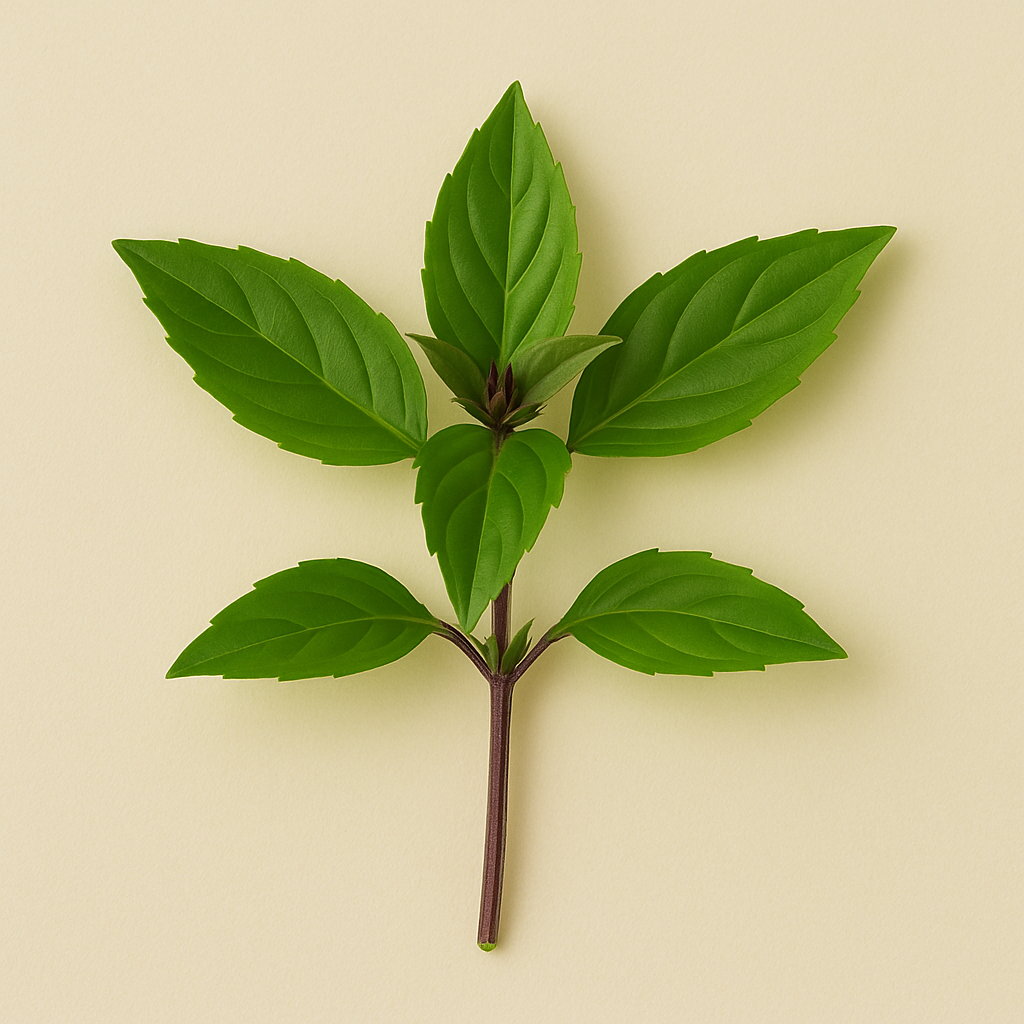
Thai Basil
Ocimum basilicum var. thyrsiflora
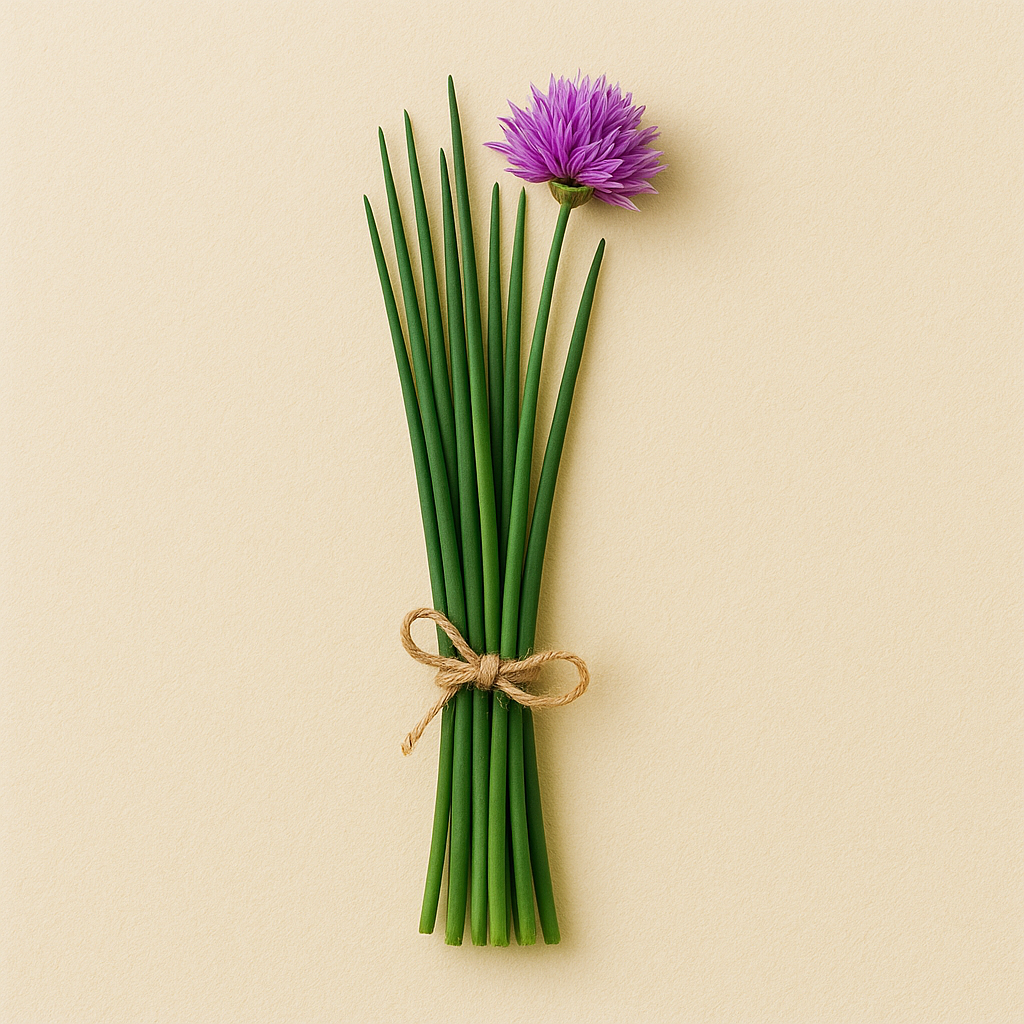
Chives
Allium schoenoprasum
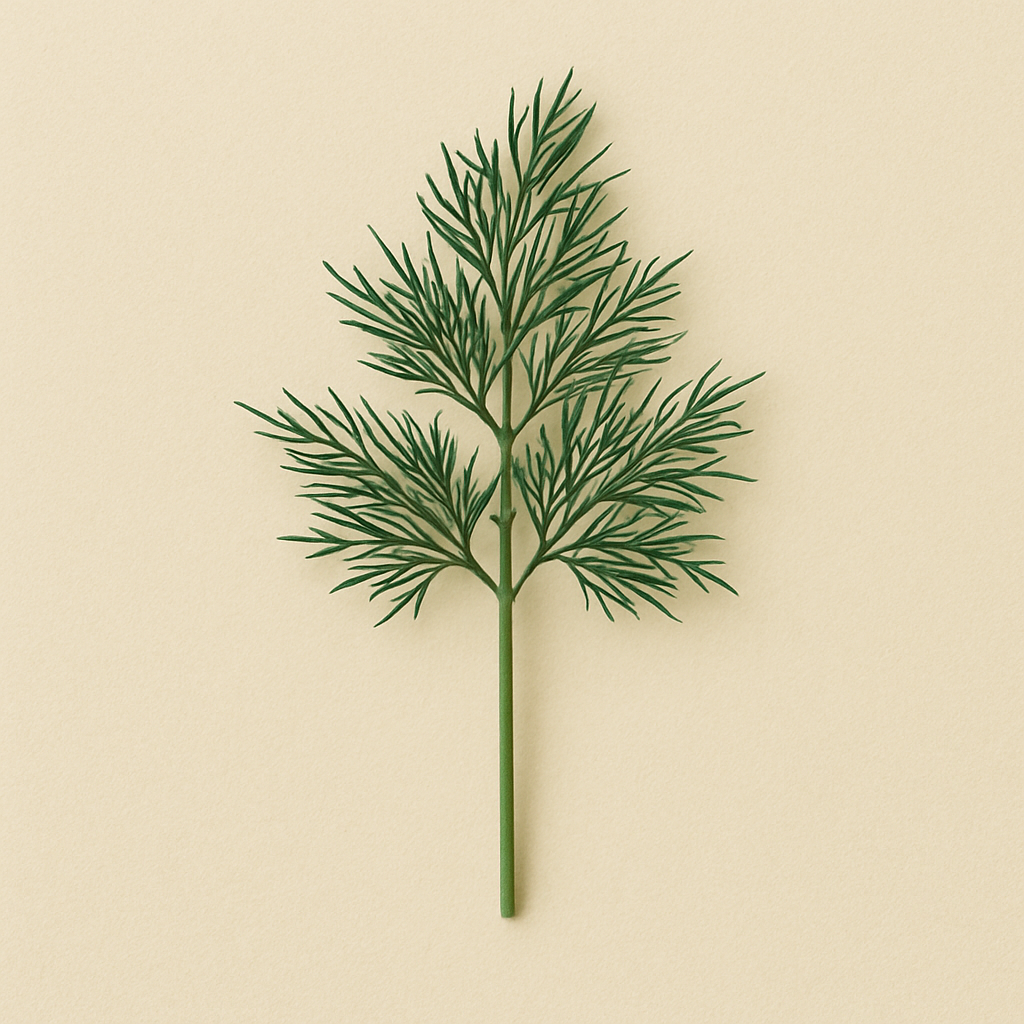
Dill
Anethum graveolens
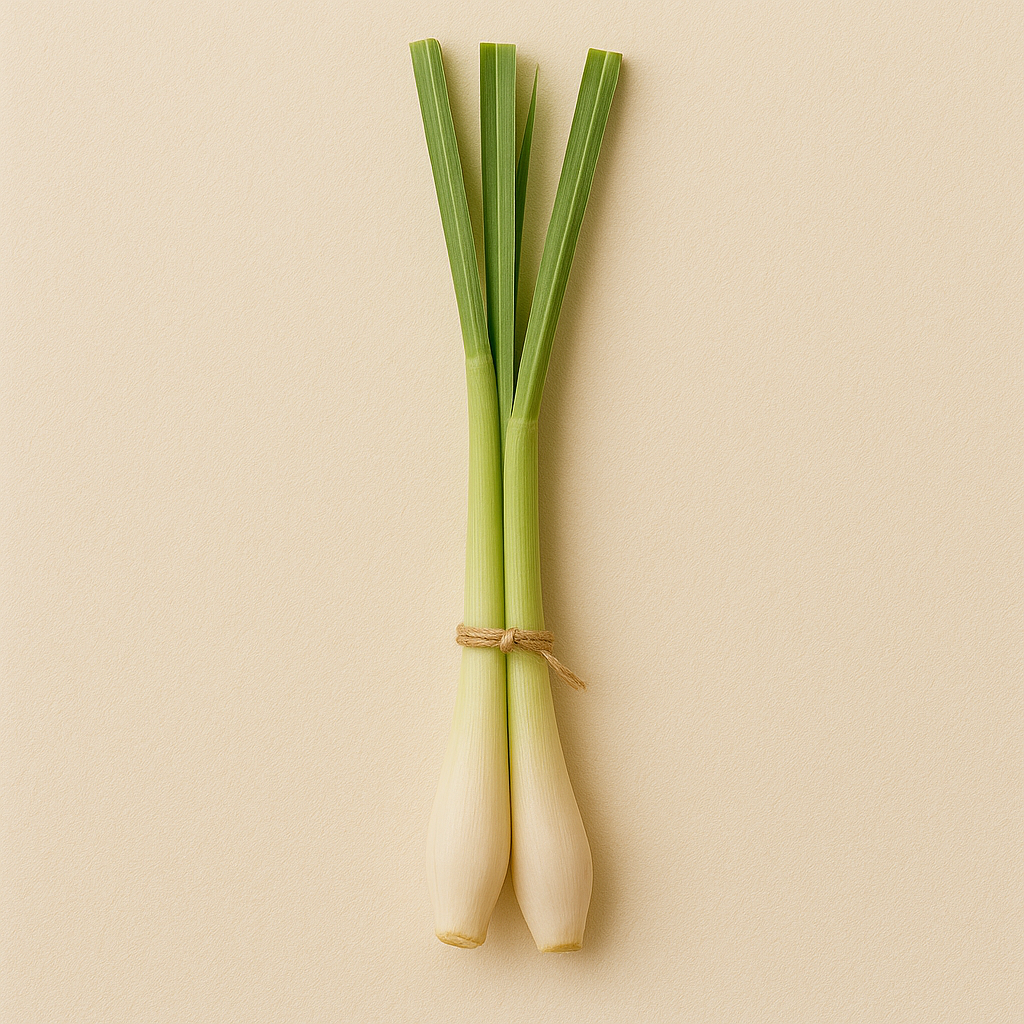
Lemongrass
Cymbopogon citratus
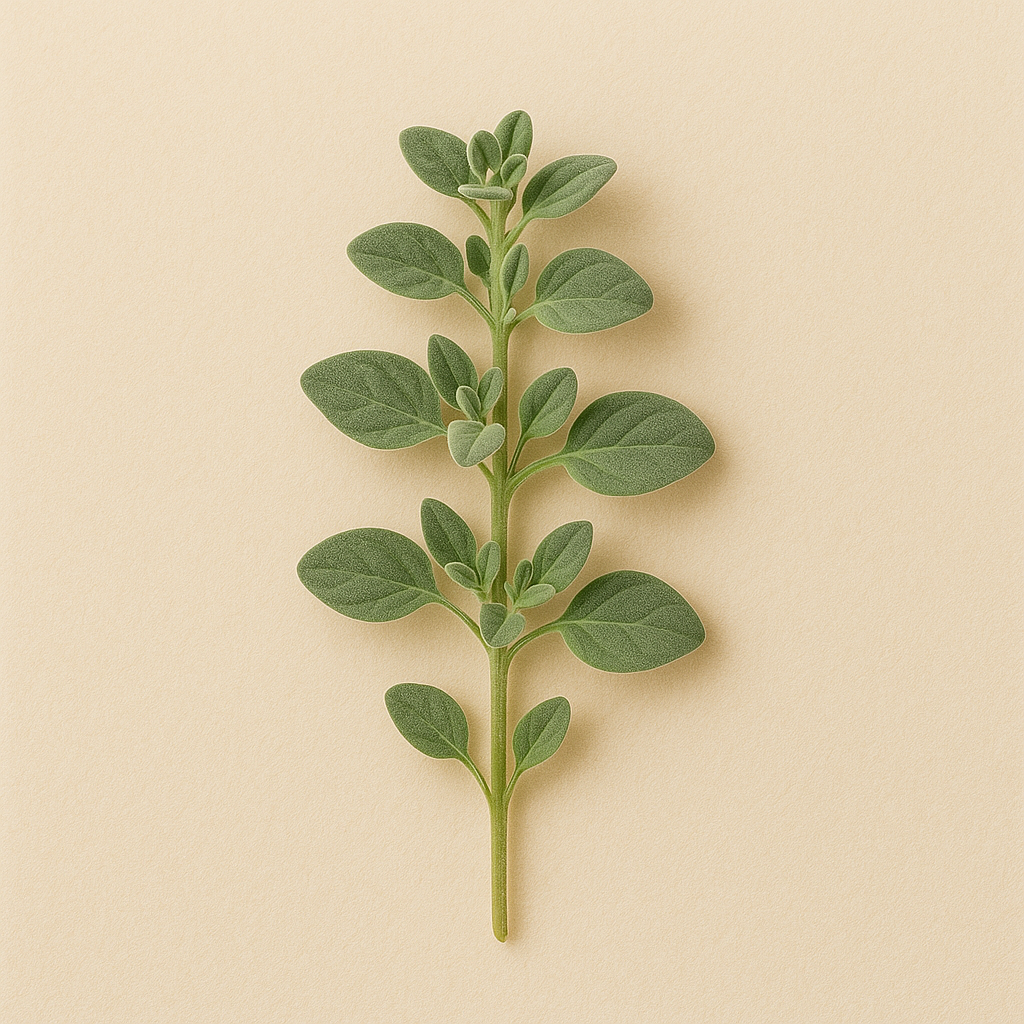
Sweet Marjoram
Origanum majorana
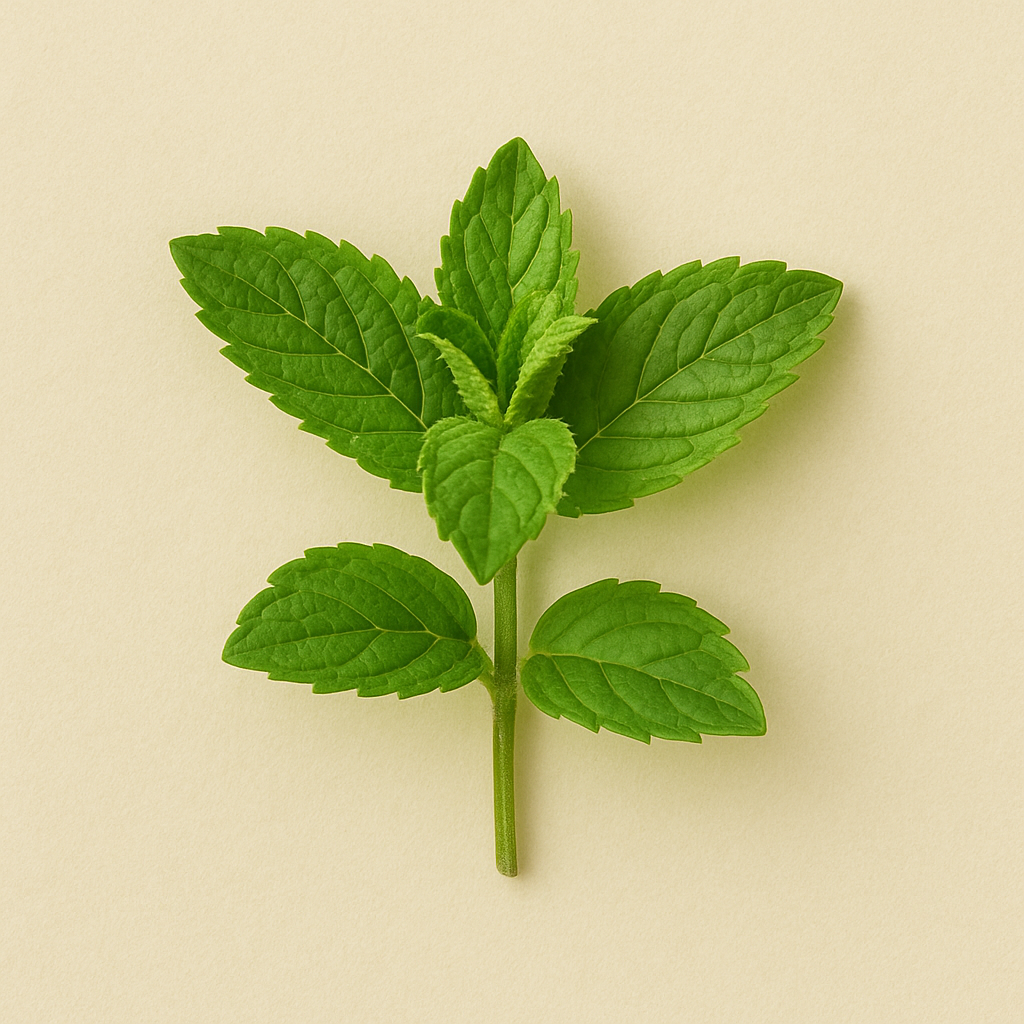
Spearmint
Mentha spicata
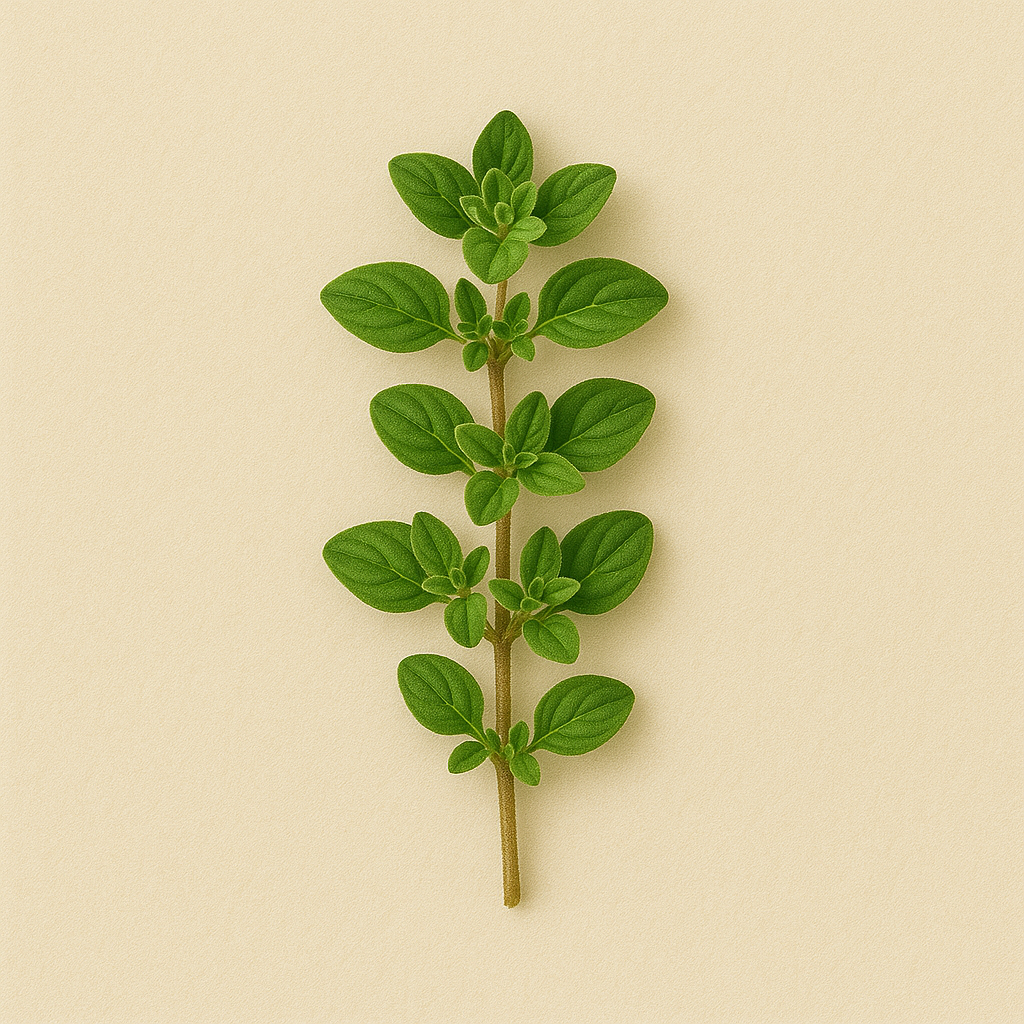
Greek Oregano
Origanum vulgare subsp. hirtum
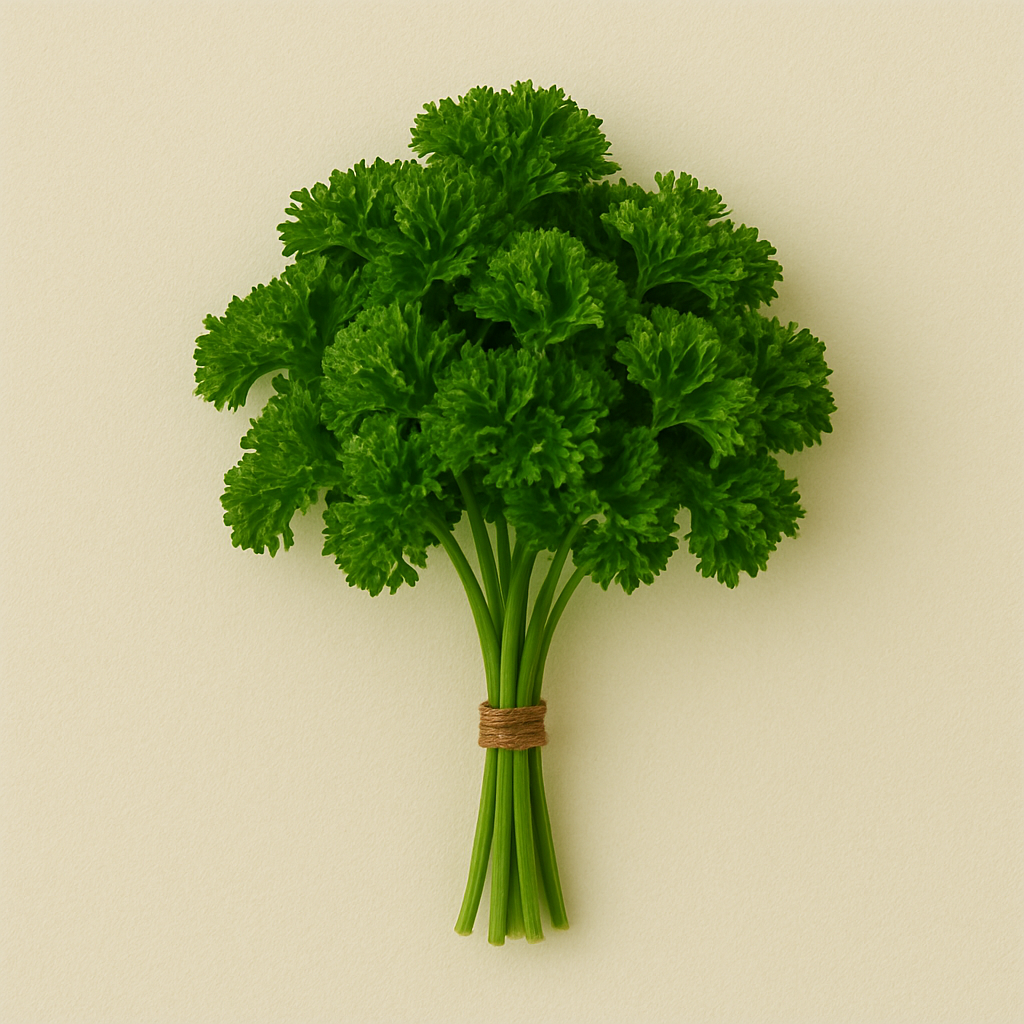
Curly Parsley
Petroselinum crispum
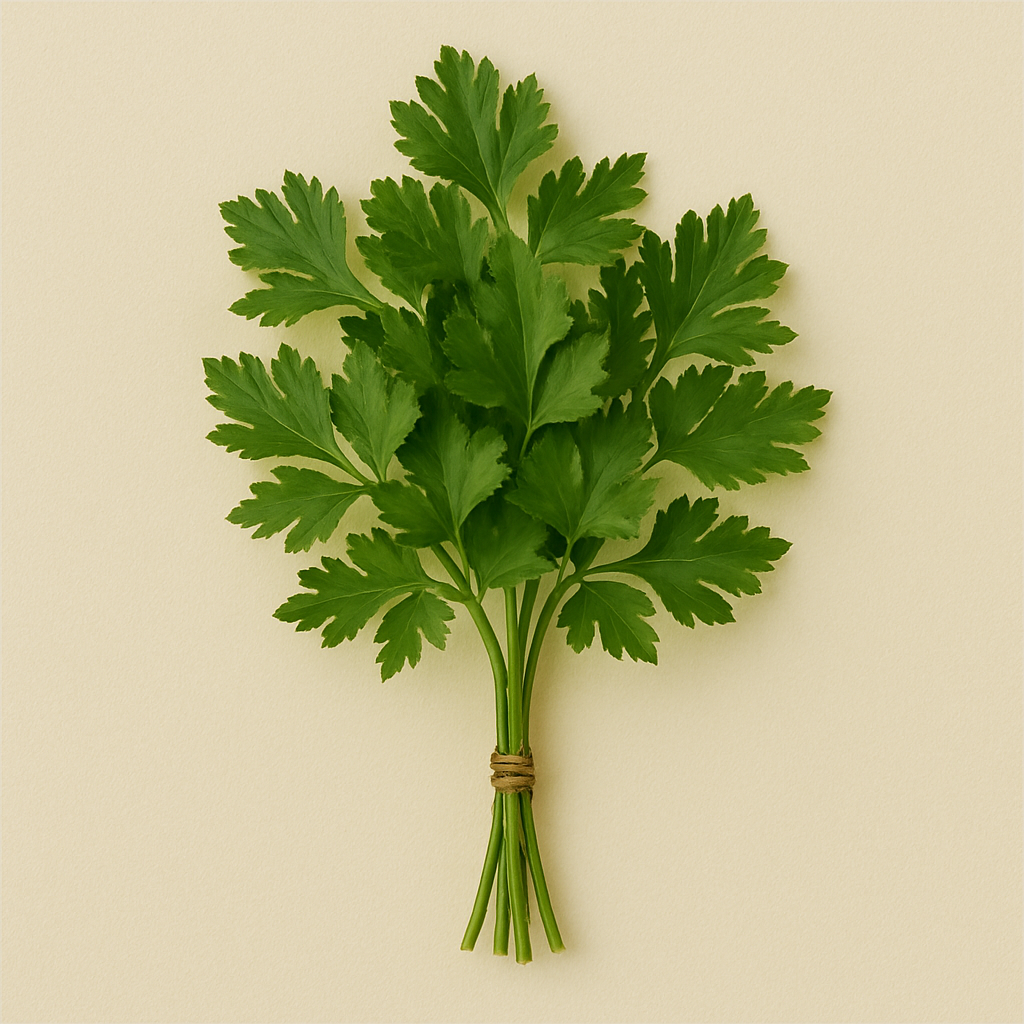
Italian Flat-Leaf Parsley
Petroselinum crispum var. neapolitanum

Rosemary
Salvia rosmarinus

French Tarragon
Artemisia dracunculus var. sativa

Common Thyme
Thymus vulgaris
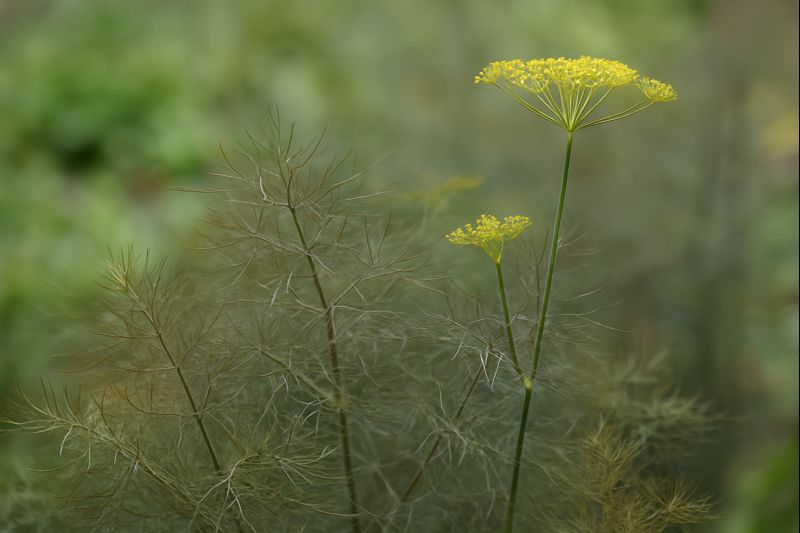
Fennel
Foeniculum vulgare