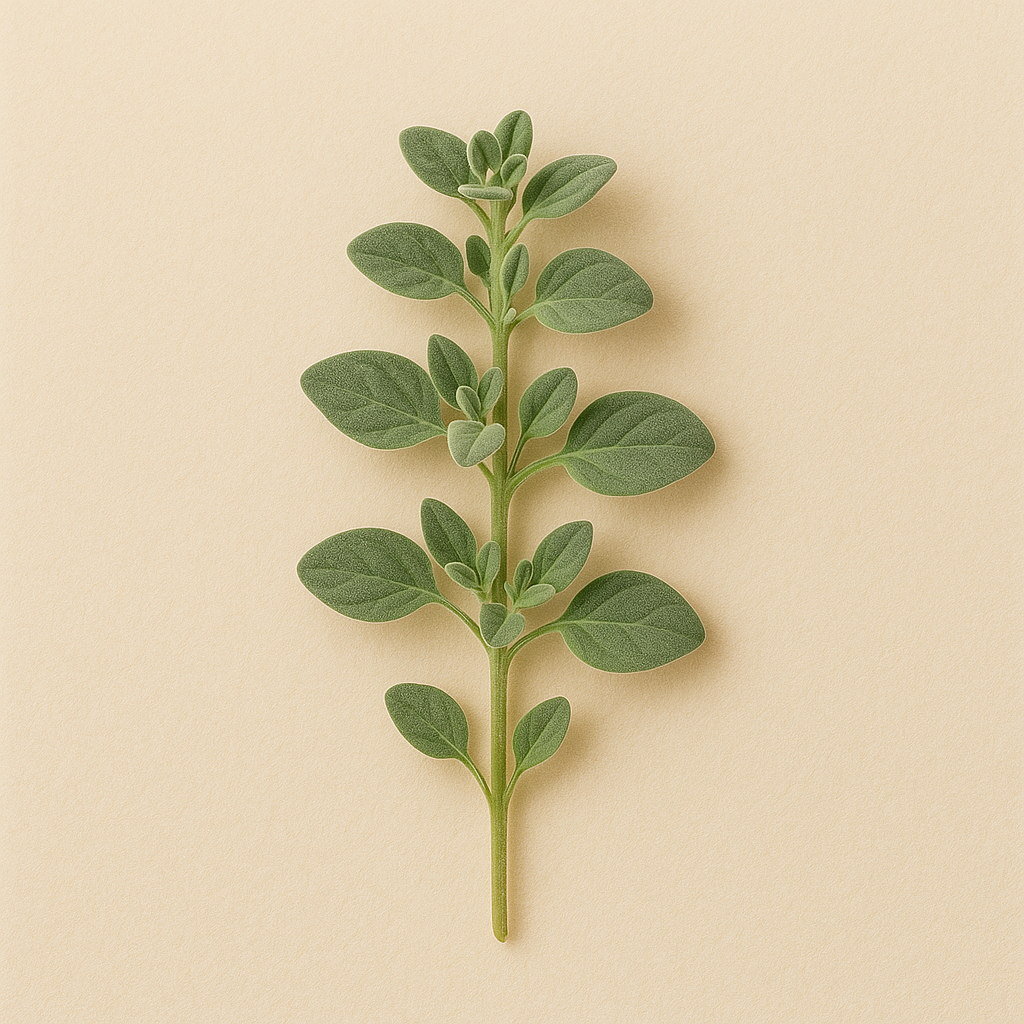
Sweet Marjoram
Origanum majorana
Family: Lamiaceae
Sweet marjoram is oregano's milder cousin with a delicate, sweet flavor. This Mediterranean herb has soft, gray-green leaves and is essential in French and German cooking.
Days to Harvest
70-90 days
Sun Needs
Full Sun (6-8+ hours)
moderate
Germination Temp
70°F optimal
Start Indoors
8 weeks before last frost
Germination
8-14 days
Seed Depth
Surface sow
Light to Germinate
Yes
💡 Tip: Press seeds into surface. Keep moist and warm.
Soil Type
Well-draining, average soil
pH Range
6.5 - 7.5
Spacing
10-12 inches between plants
⚠️ Avoid planting near:
History
Marjoram was beloved by ancient Greeks and Romans, who associated it with happiness. The Greeks called it "joy of the mountain" and used it in weddings.
Nutritional Benefits
- ✓Contains antioxidants
- ✓Traditional digestive aid
- ✓Anti-inflammatory compounds
Optimal Growing Temp
65°F - 75°F
Marjoram prefers moderate temperatures. Grows best in warm weather but tolerates cool conditions better than its cousin oregano. Heat slows growth slightly; cold temperatures stunt development.
Survival Range
50°F - 85°F
Can survive these temperatures
Frost Note: Killed by frost. Treat as annual in zones 6 and colder. Can overwinter in zones 9-10 with protection. Often grown as annual even in mild climates.
Best USDA Zones
Humidity
40-60%
Tolerates moderate humidity but prefers drier conditions. Good air circulation important to prevent fungal issues in humid climates.
Height
12-18 inches
Spread
12-15 inches
Growth Habit
spreading
Germination
8-14 days
Tiny seedlings emerge. Seeds are very small—handle carefully. Germination improved by light and consistent warmth.
Seedling Stage
Duration: 3-4 weeks
True leaves: First true leaves are small, rounded, and fuzzy with distinctive marjoram scent when rubbed.
Transplant ready: Transplant when 3-4 inches tall with 2-3 sets of true leaves (6-8 weeks from sowing).
Vegetative Growth
Duration: 6-8 weeks
Forms low, bushy mounds of aromatic foliage. Pinch tips regularly to encourage branching and delay flowering. Harvest leaves anytime during this stage.
Flowering
Timing: 60-90 days from planting
Duration: 4-6 weeks
Small white or pink flowers attractive to bees and beneficial insects. Self-fertile.
Harvest Maturity
Timing: 60-90 days to harvest
- Plant forms dense, bushy mound
- Abundant foliage production
- Begins to set flower buds
Per Plant
1-2 cups fresh leaves per plant over the season. Continuous harvest from established plants.
Per Square Foot
2-4 plants per square foot depending on final size
Harvest Frequency
Harvest sprigs continuously every 1-2 weeks once plant is established. Regular harvesting promotes bushier growth.
Factors Affecting Yield
- •Frequent harvesting increases production
- •Cool weather produces best flavor
- •Container plants may yield less than in-ground
- •Pinching tips encourages more stems
Seedling Stage
Keep soil lightly moist but not soggy. Water gently to avoid disturbing tiny seeds and seedlings.
Established Plants
Water when top inch of soil is dry. Typically every 3-5 days. Marjoram tolerates slight drought once established.
During Fruiting
Reduce watering slightly as flowering begins to concentrate flavor in leaves.
Preferred Method
Water at soil level to keep foliage dry. Drip irrigation or soaker hoses ideal. Avoid overhead watering which can promote disease.
Pro Tips
- Marjoram prefers slightly drier conditions than basil
- Better to underwater slightly than overwater
- Morning watering allows foliage to dry before evening
- Mulch lightly to maintain even moisture
Feeding Schedule
Planting
Compost mixed into soil
Once at planting
Vegetative growth
Diluted liquid fertilizer or compost tea
Every 4-6 weeks
Harvest period
Light feeding to maintain production
Monthly if needed
Organic Options
Light feeders. Side-dress with compost or apply diluted liquid fertilizer. Overfertilizing reduces flavor.
Minimum Size
8 inch pot
Recommended Size
10-12 inch pot
Depth Required
At least 8-10 inches deep
Best Varieties for Containers
Container Tips
- Marjoram thrives in containers—ideal for small spaces
- Use well-draining potting mix
- Bring containers indoors before frost to extend season
- Can overwinter as houseplant in sunny window
- Pinch regularly to maintain compact shape
- Containers dry out faster—water regularly
What is the difference between marjoram and oregano?
Marjoram and oregano are closely related—marjoram is actually a species of oregano (Origanum majorana). Marjoram has a sweeter, more delicate flavor with hints of citrus and pine, while oregano is more pungent and robust. Marjoram is less cold-hardy (zones 7-10) than oregano (zones 5-10). In cooking, marjoram is preferred for delicate dishes, while oregano stands up to bold flavors.
Can I use marjoram and oregano interchangeably in recipes?
Yes and no. Marjoram can substitute for oregano if you prefer a milder flavor, but use more marjoram (1.5x the amount). Oregano substituting for marjoram will create a stronger, more assertive flavor—use less (2/3 the amount). Marjoram is traditional in French and English cooking, while oregano dominates Italian and Greek cuisine.
How do I harvest marjoram without killing the plant?
Harvest sprigs by cutting stems 4-6 inches from the tips, just above a set of leaves. This encourages branching and bushier growth. Never harvest more than 1/3 of the plant at once. For best flavor, harvest in the morning after dew dries but before heat of day. Regular harvesting promotes continuous production and delays flowering.
When is the best time to harvest marjoram for drying?
Harvest just before flowering begins for peak flavor and essential oil content. Cut stems in the morning after dew dries. The flavor is most concentrated when flower buds are just forming but haven't opened yet. You can also harvest throughout the season for fresh use and dry smaller batches continuously.
Can marjoram survive winter indoors?
Yes! Marjoram makes an excellent houseplant. Bring pots indoors before frost or pot up garden plants. Place in the sunniest window available (south-facing ideal). Reduce watering—let soil dry between waterings. Growth slows in winter but plant survives and provides fresh leaves. Resume regular care in spring and move back outdoors after frost danger.