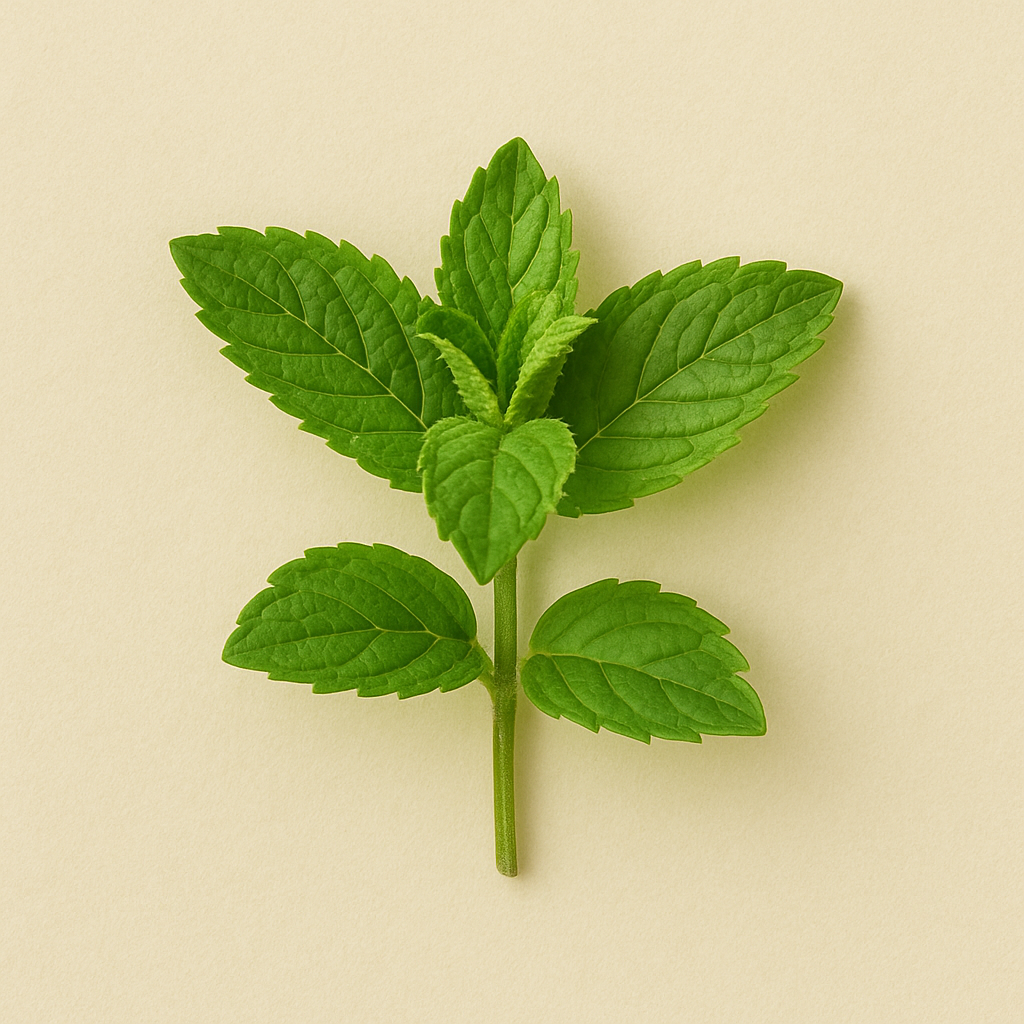
Spearmint
Mentha spicata
Family: Lamiaceae
Spearmint is a milder, sweeter mint than peppermint. Its refreshing flavor is essential for mojitos, lamb dishes, and Middle Eastern cuisine.
Days to Harvest
85-100 days
Sun Needs
Part Shade to Full Sun (4-6+ hours)
high
Germination Temp
70°F optimal
Start Indoors
8 weeks before last frost
Germination
10-15 days
Seed Depth
Surface sow
Light to Germinate
Yes
💡 Tip: Can grow from seed, but cuttings are easier and faster.
Soil Type
Rich, moist soil
pH Range
6 - 7.5
Spacing
18-24 inches - or contain in pots
⚠️ Avoid planting near:
History
Spearmint (Mentha spicata) is one of the oldest cultivated mints, with evidence of its use dating back to ancient Greece, where the herb was called "minthe" after a nymph in Greek mythology. The Romans spread spearmint throughout their empire, using it to scent bathwater, freshen breath, and flavor sauces for meat. The pointed leaves that give spearmint its name ("spear" + "mint") distinguish it from other mint species, and its flavor profile—sweeter and less menthol-intense than peppermint—made it the preferred culinary mint for most of history. In Middle Eastern cuisine, spearmint became essential to dishes from tabbouleh to tzatziki, and the combination of lamb with mint sauce became a British tradition dating back centuries. The cocktail renaissance of the 2000s brought renewed attention to spearmint as the essential ingredient in mojitos, mint juleps, and countless other mixed drinks—bartenders specifically seek out large-leafed varieties like "Kentucky Colonel" and "Mojito Mint" for muddling. Like all mints, spearmint spreads aggressively through underground runners, a trait that has led experienced gardeners to always grow it in containers or isolated beds. The herb's essential oil, dominated by the compound carvone rather than menthol, gives spearmint its distinctive sweetness and makes it the preferred mint for chewing gum.
Nutritional Benefits
- ✓Contains carvone (flavor compound)
- ✓Aids digestion
- ✓Antioxidant properties
Optimal Growing Temp
65°F - 75°F
Spearmint prefers cool to moderate temperatures. Thrives in spring and fall. Tolerates summer heat better than peppermint if given adequate water. Growth slows in extreme heat.
Survival Range
35°F - 85°F
Can survive these temperatures
Frost Note: Very cold hardy, surviving to -30°F (zone 4) once established. Dies back to ground in winter but regrows vigorously from roots in spring. Protect first-year plants in coldest zones.
Best USDA Zones
Humidity
50-70%
Prefers moderate to high humidity. Tolerates dry conditions if watered regularly. Good air circulation important to prevent fungal diseases.
Height
12-24 inches
Spread
24+ inches (spreads aggressively)
Growth Habit
spreading
Germination
7-14 days
Spearmint can grow from seed (unlike sterile peppermint). However, flavor varies—plants from cuttings or divisions more reliable for true spearmint flavor.
Seedling Stage
Duration: 3-4 weeks
True leaves: First true leaves are oval with slightly toothed edges and spearmint scent when rubbed.
Transplant ready: Transplant when 3-4 inches tall with 2-3 sets of true leaves. Cuttings root in 7-14 days and can be planted sooner.
Vegetative Growth
Duration: Continuous during growing season
Rapid spreading growth via underground rhizomes. Sends up new shoots from spreading roots. Harvest leaves continuously. Pinch flowering stems to encourage leaf production.
Flowering
Timing: Mid to late summer
Duration: 3-4 weeks
Small purple or pink flower spikes attractive to bees and butterflies. Can produce viable seeds but propagation by division more reliable.
Harvest Maturity
Timing: 60-90 days from planting for full production
- Dense mat of stems
- Vigorous spreading
- Continuous new growth from rhizomes
Per Plant
Abundant harvest—one plant can produce several pounds of fresh leaves per season as it spreads.
Per Square Foot
1 plant (will fill square and beyond rapidly). Containment essential.
Harvest Frequency
Harvest continuously throughout growing season. Cut stems weekly during peak growth.
Factors Affecting Yield
- •Spreading habit provides abundant harvest
- •Cool weather produces best flavor
- •Regular harvesting encourages bushier growth
- •Age—older established patches most productive
Seedling Stage
Keep soil consistently moist for seedlings, cuttings, and young plants establishing roots.
Established Plants
Water frequently—mint loves moisture. Keep soil consistently moist, not soggy. Water every 2-3 days, more in hot weather.
During Fruiting
Maintain consistent moisture during flowering if you want flowers. Reduce slightly if preventing flowering for leaf production.
Preferred Method
Water at soil level or overhead—mint tolerates wet foliage better than Mediterranean herbs. Drip irrigation works well for consistent moisture.
Pro Tips
- Mint needs more water than most herbs—never let it dry out completely
- Prefers consistently moist soil (grows naturally along streams)
- Mulch to retain moisture and keep roots cool
- In containers, may need daily watering in summer heat
- Morning watering allows foliage to dry before evening, reducing disease
Feeding Schedule
Planting
Compost mixed into soil
Once at planting
Active growth
Balanced liquid fertilizer
Every 4-6 weeks during growing season
Container plants
Liquid fertilizer
Every 3-4 weeks (containers need more)
Organic Options
Side-dress with compost in spring or apply diluted liquid fertilizer monthly. Mint appreciates regular feeding and rich soil unlike Mediterranean herbs.
Minimum Size
12 inch pot
Recommended Size
14-18 inch pot
Depth Required
At least 10-12 inches deep
Best Varieties for Containers
Container Tips
- HIGHLY recommended for containers—prevents aggressive spreading
- Container growing is easiest way to control mint
- Repot or divide annually as roots fill container quickly
- Can sink containers in ground to contain while allowing drainage
- Bring containers indoors for winter harvest
- Large containers (18+ inches) allow vigorous growth without constant repotting
What is the difference between spearmint and peppermint?
Spearmint (Mentha spicata) has a sweeter, milder flavor often described as slightly fruity, while peppermint (Mentha × piperita) has a stronger, more intense menthol flavor. Spearmint is the traditional mint for mojitos, mint juleps, and Middle Eastern dishes. Peppermint is preferred for tea and has stronger medicinal properties. Visually, spearmint has pointed leaves while peppermint has rounder, darker leaves with purple stems.
Can spearmint and peppermint be grown together?
Not recommended in the same container or garden bed. They will compete and can cross-pollinate, creating hybrid mints with unpredictable flavors. Keep different mint varieties in separate containers at least a few feet apart. If growing multiple mint types, containers are essential—not just for containment but to prevent cross-pollination and maintain distinct flavors.
Why is my spearmint taking over everything?
This is normal mint behavior! Spearmint spreads aggressively via underground rhizomes (runners). It can quickly dominate gardens if not contained. Solutions: grow in containers (best), install 18-inch deep barriers around planting areas, or bury containers in ground. Pull up any escapees immediately. Mint is vigorous but not invasive in the ecological sense—it's just very enthusiastic in garden settings.
Can I make mojitos with homegrown spearmint?
Absolutely! Spearmint is THE traditional mojito mint. Harvest fresh sprigs in the morning for best flavor. For a classic mojito: muddle 10-12 fresh spearmint leaves with lime juice and sugar, add rum and soda water. Homegrown spearmint has far superior flavor to store-bought. Grow 'Kentucky Colonel' or 'Mojito Mint' varieties for authentic mojito flavor.
How do I harvest spearmint without killing the plant?
Cut stems 4-6 inches from the tips, leaving at least 2-3 sets of leaves on each stem to regrow. Harvest in the morning after dew dries. You can harvest up to 1/3 of the plant at once—it will regrow rapidly. Regular harvesting actually encourages bushier, more productive growth. For continuous harvest, take outer stems first and allow center growth to mature.
Can I grow spearmint indoors year-round?
Yes! Spearmint makes an excellent indoor herb. Place in the sunniest window available (south-facing ideal) or use grow lights. Keep soil consistently moist and fertilize monthly with diluted liquid fertilizer. Indoor mint grows more slowly than outdoor but provides fresh leaves all winter. Pinch regularly to encourage branching. Bring outdoor containers inside before first frost for continuous harvest.