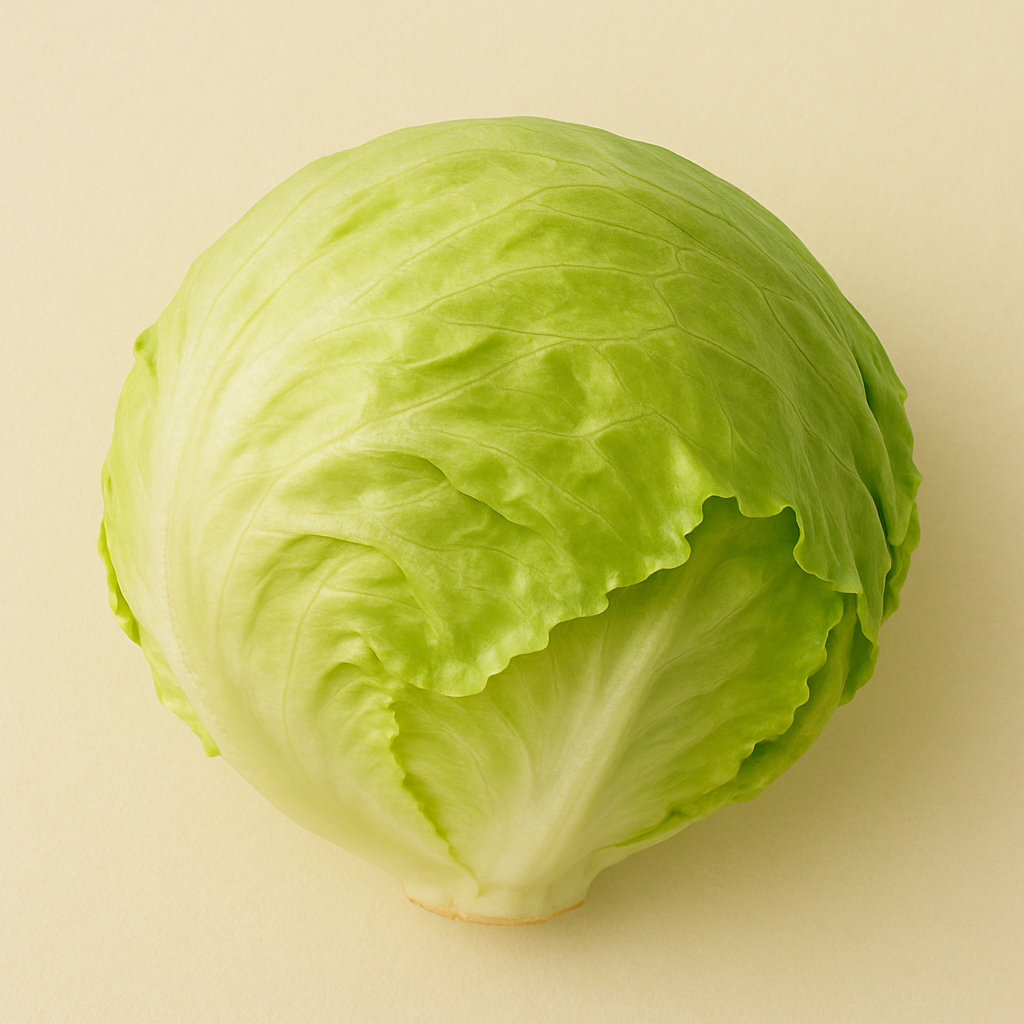
Iceberg Lettuce
Lactuca sativa var. capitata
Family: Asteraceae
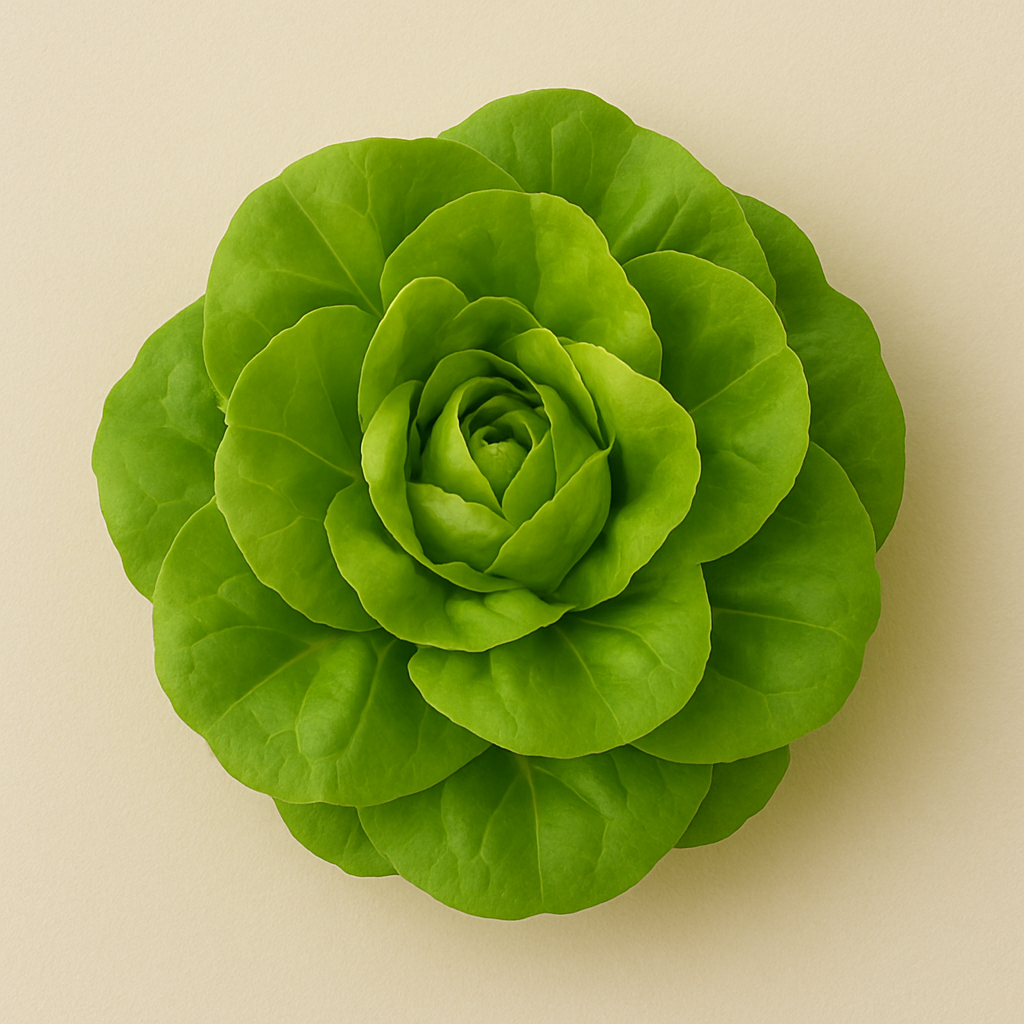
Iceberg lettuce forms tight, crisp heads with pale green to white inner leaves. Known for its satisfying crunch and mild flavor, it's the classic choice for salads, burgers, and tacos. While lower in nutrients than darker greens, it provides excellent texture and hydration.
Days to Harvest
70-85 days
Sun Needs
Full Sun (6-8 hours)
high
Germination Temp
60°F optimal
Start Indoors
6 weeks before last frost
Germination
3-10 days
Seed Depth
1/8 inch
Light to Germinate
Yes
💡 Tip: Start indoors for best results. Requires long, cool growing season. Challenging in hot climates.
Soil Type
Rich, well-draining soil with consistent moisture
pH Range
6 - 7
Spacing
12-15 inches between plants, 18-24 inches between rows
⚠️ Avoid planting near:
History
Iceberg lettuce was developed in the 1940s in California and became wildly popular due to its ability to ship well. Before refrigerated transport, it was packed with ice for shipping across the country, earning the name "iceberg." It dominated American salads for decades.
Nutritional Benefits
- ✓Very low in calories
- ✓High water content (96%) for hydration
- ✓Contains Vitamin K
Optimal Growing Temp
55°F - 65°F
Iceberg lettuce requires consistently cool temperatures to form tight heads. Optimal range is 55-65°F. Temperatures above 75°F cause loose heads and bolting. Needs long, cool growing season.
Survival Range
32°F - 75°F
Can survive these temperatures
Frost Note: Tolerates light frost (28-32°F) once established. Mature heads can handle brief dips into mid-20s. Young seedlings are more frost-sensitive.
Best USDA Zones
Humidity
40-60%
Moderate humidity preferred. High humidity promotes disease in tight heads. Good air circulation is essential.
Height
6-8 inches
Spread
10-12 inches
Growth Habit
upright
Germination
3-10 days
Seeds need light and cool temperatures (60-65°F) to germinate. May not germinate if soil is too warm.
Seedling Stage
Duration: 3-4 weeks
True leaves: Grow seedlings in cool conditions.
Transplant ready: Transplant when 3-4 true leaves develop. Handle gently.
Vegetative Growth
Duration: 4-6 weeks
Leaves develop and begin to cup inward to form head. Critical to maintain cool temperatures.
Harvest Maturity
Timing: 70-85 days from seed
- Tight, dense head forms with pale inner leaves
- Harvest when head is firm but before bolting
Per Plant
1-2 lb head per plant
Per Square Foot
1 head per square foot at 12-inch spacing
Harvest Frequency
Single harvest when head is mature
Factors Affecting Yield
- •Long cool season required
- •Consistent moisture
- •Temperature stability
- •Variety selection
Seedling Stage
Keep consistently moist, light daily watering
Established Plants
Deep watering every 2-3 days, never letting soil dry out
Preferred Method
Drip irrigation or soaker hose preferred. Water at soil level to keep leaves dry and prevent rot.
⚠️ Critical Watering Periods
- • Head formation stage
- • Hot weather days
- • During rapid growth
Pro Tips
- Consistent moisture is critical for tight head formation
- Water stress causes loose heads and bitterness
- Mulch heavily to maintain cool, moist soil
- Morning watering preferred to allow foliage to dry
Feeding Schedule
Organic Options
Apply compost at planting, liquid feed every 2-3 weeks during growth
Minimum Size
10 inch pot minimum
Recommended Size
12-14 inch pot per plant
Depth Required
8-10 inches minimum
Best Varieties for Containers
Container Tips
- Container growing can help manage temperature by moving to shade
- Use light-colored containers to keep roots cool
- Mini varieties like Crispino better suited to containers
- Requires more attention to watering than in-ground
- Position in coolest part of garden or patio
Why Prune
When
Remove damaged leaves as needed throughout growth
How Often
As needed for damaged leaf removal
Technique
Snap or cut damaged outer leaves at base without disturbing developing head
Remove
- ✗ Yellowed outer leaves
- ✗ Damaged leaves
- ✗ Leaves showing disease
Keep
- ✓ All developing head leaves
- ✓ Healthy outer wrapper leaves