
Red Russian Kale
Brassica napus var. pabularia
Family: Brassicaceae
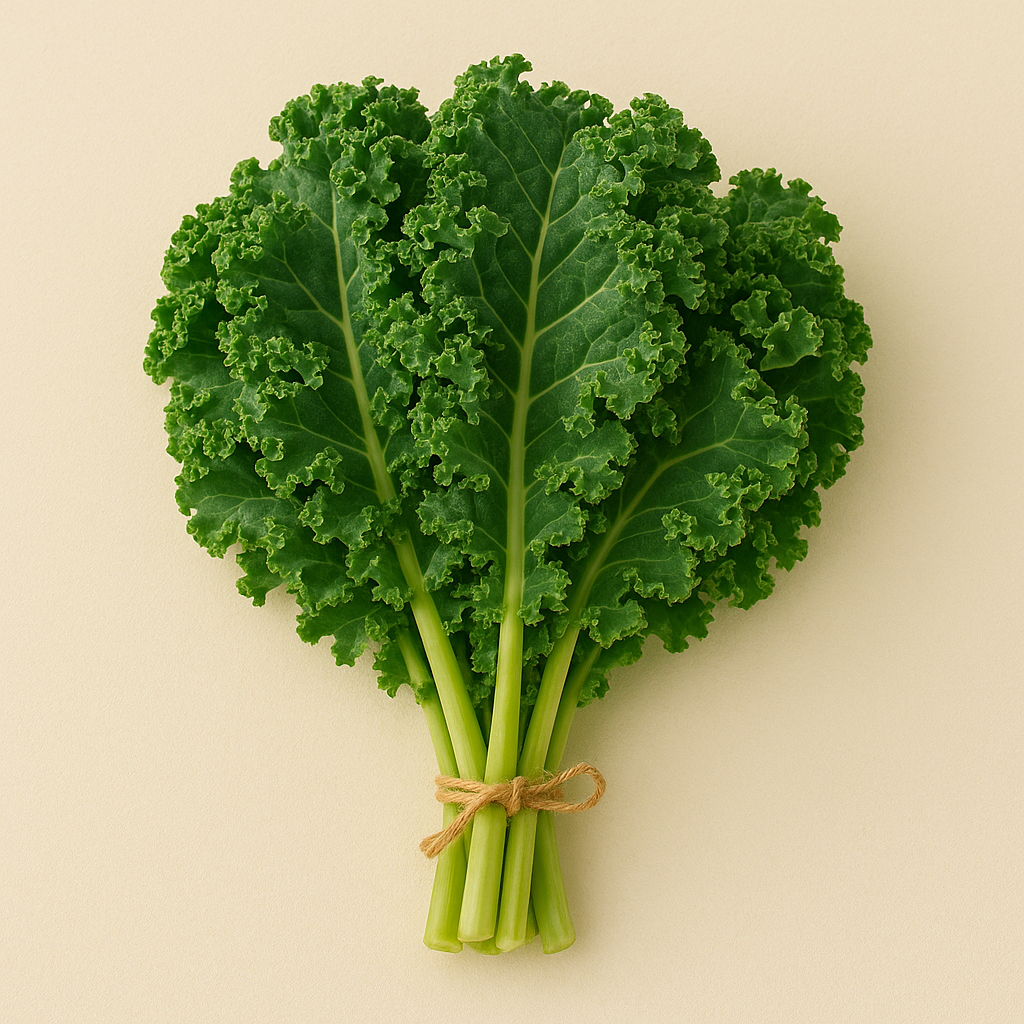
Red Russian kale features flat, frilly leaves with purple stems and veins. It's one of the most tender and sweetest kale varieties, making it ideal for raw salads. Extremely cold-hardy, it survives temperatures well below freezing.
Days to Harvest
45-55 days
Sun Needs
Full Sun to Partial Shade (4-6 hours)
moderate
Germination Temp
70°F optimal
Start Indoors
6 weeks before last frost
Germination
4-10 days
Seed Depth
1/4 to 1/2 inch
Light to Germinate
No
💡 Tip: Very cold-hardy. Plant in late summer for sweetest fall/winter harvest.
Soil Type
Rich, well-draining soil
pH Range
6 - 7.5
Spacing
12-18 inches between plants, 18-24 inches between rows
⚠️ Avoid planting near:
History
Despite its name, Red Russian kale was likely developed from seeds brought to Canada by Russian traders in the 19th century. It became popular in American gardens for its beauty and mild flavor compared to other kales.
Nutritional Benefits
- ✓High in Vitamins K, A, and C
- ✓Contains anthocyanins (purple antioxidants)
- ✓Rich in antioxidants
Optimal Growing Temp
55°F - 75°F
Red Russian kale thrives in cool weather (55-75°F) but is extraordinarily cold-hardy—surviving temps to -20°F. One of the most cold-tolerant garden vegetables. Flavor sweetens dramatically after frost.
Survival Range
-20°F - 85°F
Can survive these temperatures
Frost Note: Survives extreme cold to -20°F with protection. One of the hardiest vegetables available. Frost sweetens flavor and intensifies purple coloring.
Best USDA Zones
Humidity
40-60%
Moderate humidity preferred. Flat leaves are easier to keep dry than curly types.
Height
18-24 inches
Spread
18-24 inches
Growth Habit
upright
Germination
4-10 days
Seeds germinate in cool soil (45-85°F). Direct sow or start indoors.
Seedling Stage
Duration: 3-4 weeks
True leaves: True leaves show distinctive oak-leaf shape with purple-red coloring.
Transplant ready: Ready when 4-5 inches tall with purple color visible.
Vegetative Growth
Duration: 5-7 weeks
Flat, frilly leaves with purple stems develop. Very fast growing. Begin harvesting at 4-6 inches for baby, 8-10 inches for mature.
Harvest Maturity
Timing: 50-60 days from seed
- Flat, oak-shaped leaves with purple veins
- Sweetest after frost exposure
Per Plant
2-4 lbs of leaves over season
Per Square Foot
1-2 lbs at 18-inch spacing
Harvest Frequency
Harvest outer leaves every 1-2 weeks
Factors Affecting Yield
- •Extreme cold tolerance extends harvest
- •Frost sweetens leaves
- •Regular picking
- •Best flavor after cold
Seedling Stage
Keep consistently moist
Established Plants
Deep watering every 4-7 days, 1-1.5 inches per week
Preferred Method
Water deeply at soil level. Flat leaves dry quickly, reducing disease risk.
⚠️ Critical Watering Periods
- • Transplant establishment
- • Hot weather
- • Active growth
Pro Tips
- Consistent moisture produces tender leaves perfect for raw eating
- Mulch to retain moisture and moderate temperature
- Water needs decrease in cool weather
- Drought stress reduces tenderness
Feeding Schedule
Organic Options
Top-dress with compost monthly for continuous production.
Minimum Size
10 inch pot minimum
Recommended Size
14-16 inch pot
Depth Required
12 inches minimum
Best Varieties for Containers
Container Tips
- Beautiful purple-red coloring adds ornamental value
- Flat leaves easier to harvest than curly types
- Extremely cold-hardy—can overwinter in containers
- Water regularly and feed monthly
- Most tender kale for container salads
Why Prune
When
Begin harvesting when outer leaves reach 4-6 inches for baby, 8-10 inches for mature
How Often
Every 1-2 weeks throughout growing season
Technique
Cut or snap outer leaves at base. Very fast regrowth—can harvest frequently.
Remove
- ✗ Outer mature leaves
- ✗ Yellowed leaves
- ✗ Damaged foliage
Keep
- ✓ Growing center
- ✓ Young inner leaves
Plant Every
Spring and late summer plantings
Sowings/Season
2 main plantings
Duration
Plant spring for early harvest, late summer for fall/winter
Tips
- Spring: 4-6 weeks before last frost
- Late summer: 10-12 weeks before first frost for sweetest fall harvest
- Fall/winter plantings produce the sweetest leaves
- Extreme cold tolerance means harvest can continue into winter