Tatsoi
Brassica rapa var. rosularis
Family: Brassicaceae
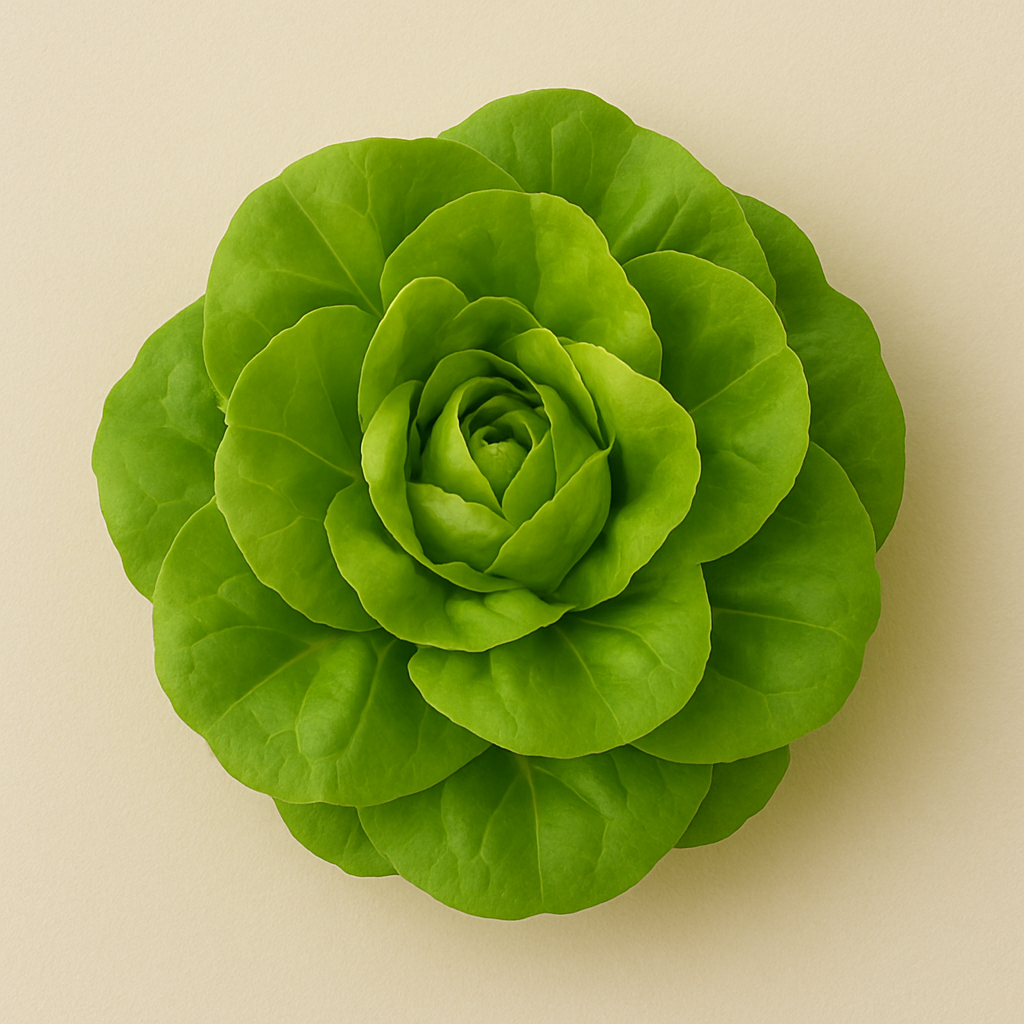
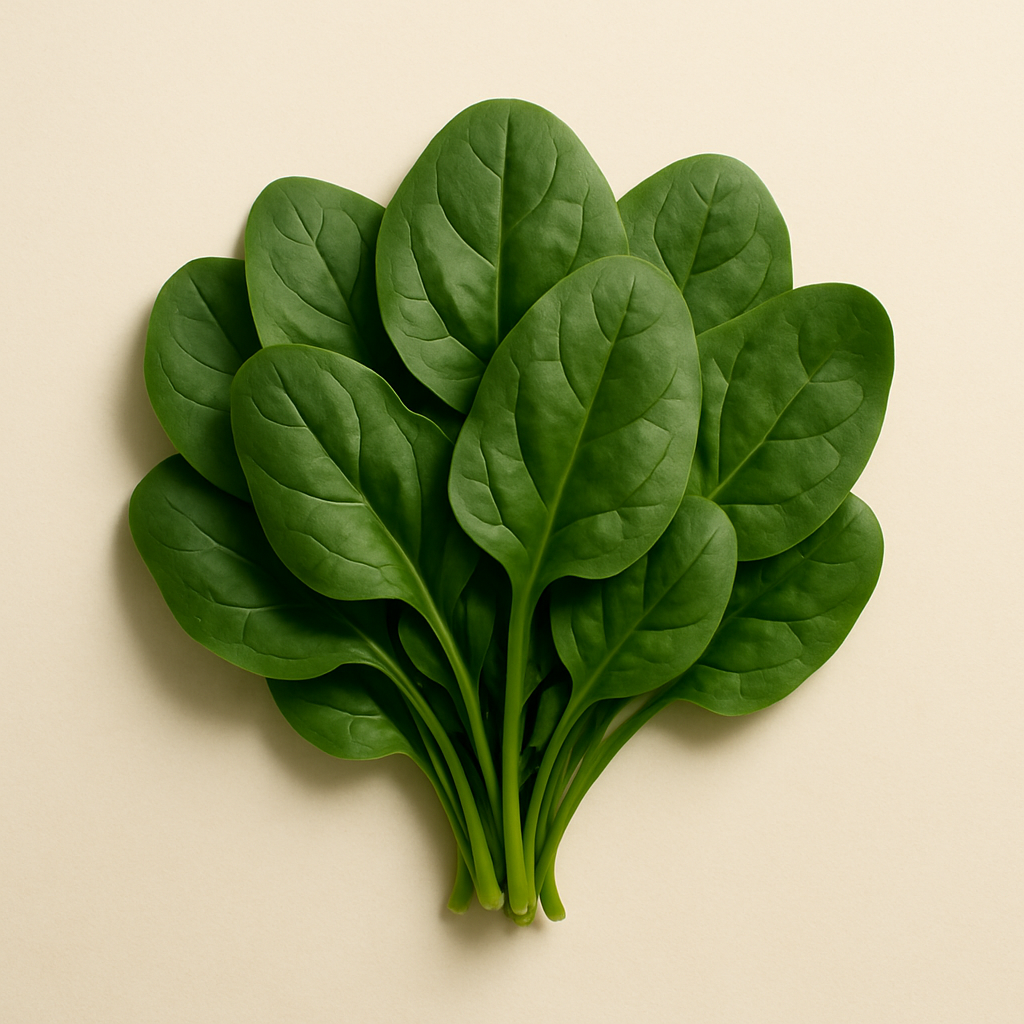
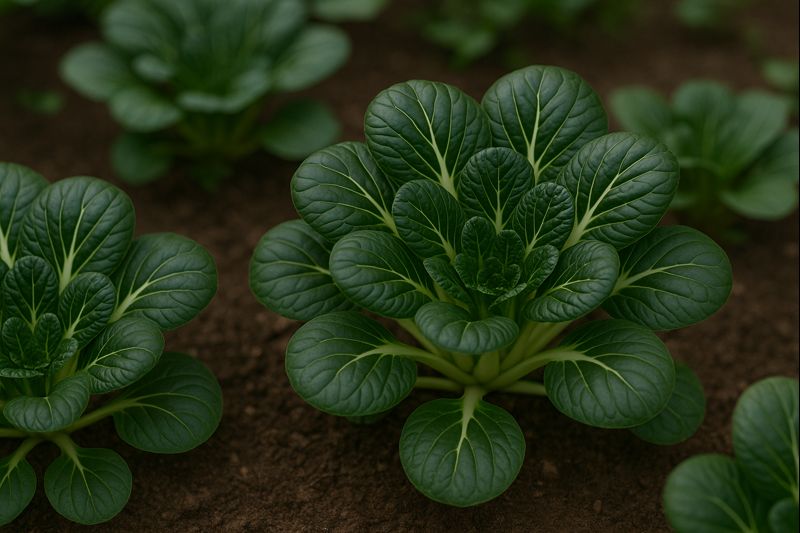
Tatsoi is a beautiful Asian green that forms a striking rosette of dark green, spoon-shaped leaves. Also known as spinach mustard or rosette bok choy, it offers mild, sweet flavor when young with a slight mustard-like bite as it matures. The compact rosette grows close to the ground, making it both ornamental and delicious. It's incredibly cold-hardy, fast-growing, and versatile in the kitchen.
Days to Harvest
25-50 days
Sun Needs
Full Sun to Partial Shade (4-8 hours)
moderate
Germination Temp
65°F optimal
Start Indoors
4 weeks before last frost
Germination
4-10 days
Seed Depth
1/4 inch
Light to Germinate
No
💡 Tip: Very cold-hardy and fast-growing. Can be direct sown in early spring or late summer for fall/winter harvest. Excellent for succession planting.
Soil Type
Rich, well-draining soil with organic matter
pH Range
6 - 7.5
Spacing
4-6 inches for baby greens, 8-10 inches for mature rosettes
⚠️ Avoid planting near:
History
Tatsoi (Brassica rapa var. rosularis), also spelled "tah tsai" or "tat choy," has been cultivated in China for over 1,000 years as a staple cool-season vegetable. Its name derives from the Cantonese words for "flattened vegetable," referencing its characteristic low-growing, rosette form. Ancient Chinese agricultural texts describe tatsoi as a hardy winter green prized for its ability to withstand frost and even light snow, continuing to produce tender leaves when other vegetables had succumbed to cold. Traditional Chinese medicine valued tatsoi for its cooling properties and digestive benefits, recommending it for clearing internal heat and promoting healthy digestion. The distinctive spoon-shaped leaves made it easy to distinguish from other Asian brassicas, and its compact rosette habit suited the intensive, small-space gardening practices common in Chinese agriculture. Tatsoi traveled along trade routes throughout Asia, becoming established in Japan, Korea, and Southeast Asia, where it was incorporated into regional cuisines. Western gardeners and chefs discovered tatsoi relatively recently—it gained popularity in North America and Europe in the 1980s and 1990s as interest in Asian vegetables surged. Seed companies introduced it as "rosette pak choi" or "spinach mustard" to Western markets, where its beautiful appearance, cold-hardiness, and mild flavor quickly won over gardeners. Tatsoi became a favorite in mesclun mixes and gourmet salads, prized by chefs for its dark green, glossy leaves that add visual interest and subtle flavor. The rise of farmers markets and community-supported agriculture (CSA) programs introduced tatsoi to home cooks, who appreciated its versatility—delicious raw in salads, quickly stir-fried, or added to soups. Today, tatsoi is cultivated worldwide as both a mature rosette for cooking and as baby greens for fresh salads, representing the global exchange of traditional vegetables and modern culinary innovation.
Nutritional Benefits
- ✓Extremely high in Vitamin A
- ✓Excellent source of Vitamin C
- ✓Rich in Vitamin K
Optimal Growing Temp
50°F - 70°F
Tatsoi thrives in cool weather (50-70°F). One of the most cold-tolerant Asian greens, it continues growing in near-freezing temperatures. Heat above 75°F causes rapid bolting and loss of the characteristic rosette form.
Survival Range
15°F - 80°F
Can survive these temperatures
Frost Note: Remarkably frost-tolerant, surviving temperatures down to 15°F. Flavor actually sweetens after frost exposure. One of the last greens standing in the fall garden. Can overwinter in zones 6+ with minimal protection.
Best USDA Zones
Humidity
50-70%
Moderate humidity preferred. Good air circulation prevents fungal issues. Can handle varied humidity conditions better than many Asian greens.
Height
6-10 inches
Spread
8-12 inches
Growth Habit
upright
Germination
4-10 days
Seeds germinate quickly in cool to moderate soil (45-75°F). Small cotyledons emerge, sometimes with a slight purple tinge at the base.
Seedling Stage
Duration: 2-3 weeks
True leaves: First true leaves are rounded, spoon-shaped, and dark green. Glossy appearance develops early. Leaves begin arranging in characteristic rosette pattern.
Transplant ready: Ready to transplant when 2-3 inches tall with 4-5 true leaves. Baby tatsoi can be harvested at this stage.
Vegetative Growth
Duration: 3-5 weeks
Develops the beautiful rosette form with dark green, spoon-shaped leaves radiating from a central point. Growth accelerates in cool weather with consistent moisture.
Harvest Maturity
Timing: 25-30 days for baby greens, 45-55 days for mature rosettes
- Full rosette 6-10 inches across with 20-40 leaves
- Dark green, glossy spoon-shaped leaves
- Mild, sweet flavor with slight mustard undertone
- Compact, ground-hugging form
Per Plant
0.25-0.5 lb per mature rosette, more with cut-and-come-again harvest
Per Square Foot
0.5-1 lb per square foot
Harvest Frequency
Cut baby greens every 2-3 weeks, or harvest mature rosettes whole and let regrow
Factors Affecting Yield
- •Fast-growing in optimal cool conditions
- •Multiple harvests possible if center is left intact
- •Dense planting for baby greens maximizes yield
- •Mature rosettes provide the most dramatic presentation
Seedling Stage
Keep consistently moist, light daily watering
Established Plants
Water when top inch of soil feels dry
During Fruiting
Deep watering every 2-3 days, more in warm weather
Preferred Method
Water at soil level to avoid wetting the rosette center where water can collect and cause rot. Drip irrigation or soaker hoses work well. Mulch to maintain moisture.
⚠️ Critical Watering Periods
- • Germination through establishment
- • During warm spells when bolting risk increases
Pro Tips
- Consistent moisture produces tender, mild leaves
- The ground-hugging rosette can trap water—avoid overhead watering
- Morning watering allows any splashed water to dry
- Mulch helps maintain the consistent moisture tatsoi prefers
Feeding Schedule
At planting
Compost or balanced organic fertilizer
Once at planting
Every 3-4 weeks
Compost or dilute liquid fertilizer
Every 3-4 weeks during growth
Organic Options
Apply 1-2 inches of compost at planting, foliar feed with dilute fish emulsion every 2-3 weeks
Minimum Size
6 inches wide, 6 inches deep for single plant
Recommended Size
12 inches wide, 8 inches deep for multiple plants or larger rosettes
Depth Required
6-8 inches adequate for shallow root system
Best Varieties for Containers
Container Tips
- Beautiful container plant with ornamental rosette form
- Excellent for fall and winter patio gardens
- Group several plants for a stunning display
- Keep containers in cool, partially shaded locations in warm weather
- Self-watering containers work well for maintaining consistent moisture
Why Prune
When
Begin harvesting baby leaves at 2-3 inches. Harvest mature rosettes when 6-8 inches across.
How Often
Baby greens every 2-3 weeks, outer leaves weekly, whole rosettes at maturity
Technique
For baby greens, cut entire planting 1 inch above soil. For mature plants, cut individual outer leaves or harvest whole rosette leaving 1-2 inches of base.
Remove
- ✗ Outer mature leaves
- ✗ Yellowing or damaged leaves
- ✗ Flower stalks immediately if they appear
Keep
- ✓ Center growing point for regrowth
- ✓ Young inner leaves
- ✓ 1-2 inches of base if cutting whole plant
Plant Every
2-3 weeks
Sowings/Season
4-6 sowings for continuous harvest through cool months
Duration
Late summer through fall, early spring through late spring
Tips
- Fall plantings are most productive and longest-lasting
- Spring plantings bolt quickly as temperatures warm—harvest young
- Dense sowings for baby greens work well with succession planting
- Stagger plantings to have both baby greens and mature rosettes available