Upland Cress
Barbarea verna
Family: Brassicaceae
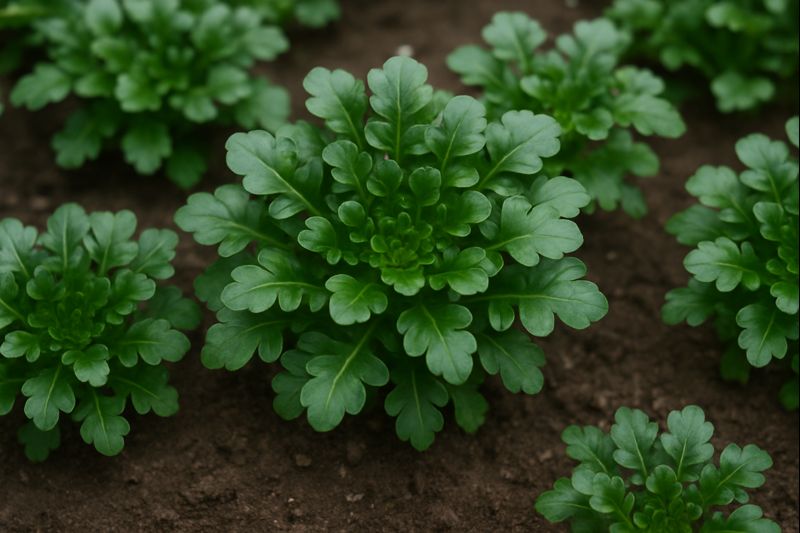
Upland cress is a peppery, cold-hardy green with a sharp, watercress-like flavor but far easier to grow. Also known as land cress, American cress, or winter cress, it thrives in cool weather and produces dark green, deeply lobed leaves perfect for salads, sandwiches, and garnishes. Unlike true watercress, it doesn't require running water and grows happily in regular garden soil.
Days to Harvest
45-60 days
Sun Needs
Partial Shade to Full Sun (4-8 hours)
moderate
Germination Temp
60°F optimal
Start Indoors
4 weeks before last frost
Germination
7-14 days
Seed Depth
1/4 inch
Light to Germinate
No
💡 Tip: Extremely cold-hardy. Can be sown in late summer for fall/winter harvest. Direct sow in early spring or late summer for best results.
Soil Type
Rich, moist, well-draining soil with organic matter
pH Range
6 - 7.5
Spacing
4-6 inches between plants, 8-12 inches between rows
⚠️ Avoid planting near:
History
Upland cress (Barbarea verna) has been cultivated in Europe since at least the 15th century as a cold-season substitute for watercress, particularly in areas without streams or springs. Native to southwestern Europe, it naturalized across temperate regions of Europe, Asia, and North America. Medieval herbalists valued it as a "spring tonic" after long winters, believing its sharp, pungent flavor and dark green leaves could revitalize the body depleted by limited winter nutrition. The genus name Barbarea references St. Barbara, whose feast day (December 4th) marks the traditional time when upland cress was ready to harvest in Europe. English cottage gardeners relied on it as one of the few fresh greens available through winter, earning names like "winter cress" and "land cress." American colonists brought upland cress to the New World, where it escaped cultivation and naturalized along roadsides and stream banks. Unlike watercress (Nasturtium officinale), which requires constantly flowing cool water, upland cress grows in ordinary garden soil, making it accessible to farmers without water features. During World War II, victory gardeners rediscovered upland cress for its cold-hardiness, fast growth, and ability to provide fresh, vitamin-rich greens when other vegetables had finished. Today, it's experiencing renewed interest among gardeners seeking cold-hardy, peppery greens and among chefs who appreciate its intense flavor that rivals arugula and watercress. Upland cress remains a staple in European winter salads and is increasingly featured in farm-to-table restaurants as a locally grown, cold-season specialty green.
Nutritional Benefits
- ✓Extremely high in Vitamin C
- ✓Excellent source of Vitamin A
- ✓Rich in Vitamin K
Optimal Growing Temp
50°F - 65°F
Upland cress thrives in cool weather (50-65°F) and is one of the most cold-hardy salad greens. Excellent in temperatures that would kill most lettuces. Heat above 70°F triggers rapid bolting and makes leaves excessively bitter and pungent.
Survival Range
10°F - 80°F
Can survive these temperatures
Frost Note: Extremely cold-hardy, surviving temperatures down to 10°F with minimal protection. Continues producing even through light snow. One of the best greens for winter harvesting in cold climates.
Best USDA Zones
Humidity
60-80%
Prefers higher humidity similar to its wild habitat in moist areas. Low humidity causes tough, overly peppery leaves. Excellent choice for cool, damp climates where other greens struggle.
Height
4-8 inches
Spread
6-10 inches
Growth Habit
upright
Germination
7-14 days
Seeds germinate best in cool soil (45-70°F). Can be slow and erratic in warm conditions. Small cotyledons emerge with characteristic rounded shape.
Seedling Stage
Duration: 3-4 weeks
True leaves: True leaves are deeply lobed, dark green, with a glossy appearance. Peppery flavor develops early.
Transplant ready: Ready when 2-3 inches tall with several sets of true leaves. Handle gently as seedlings are delicate.
Vegetative Growth
Duration: 4-6 weeks
Develops a rosette of deeply lobed, dark green leaves. Growth accelerates in cool weather. Plants remain compact and low-growing until bolting.
Harvest Maturity
Timing: 45-60 days from seed, faster in ideal cool conditions
- Dark green, glossy leaves 3-5 inches long
- Deeply lobed leaf shape fully developed
- Strong peppery-watercress flavor
- Compact rosette form
Per Plant
0.25-0.5 lb over the season with cut-and-come-again harvesting
Per Square Foot
0.5-1 lb per square foot
Harvest Frequency
Harvest outer leaves every 1-2 weeks, or cut entire plant at 2 inches for regrowth
Factors Affecting Yield
- •Cool temperatures produce the mildest, most tender leaves
- •Can produce throughout winter in mild climates
- •Multiple cuttings possible before plants bolt
- •Fall-sown plants overwinter and resume growth in early spring
Seedling Stage
Keep consistently moist, never let soil dry out completely
Established Plants
Water when top half-inch of soil feels dry
During Fruiting
Deep watering every 2-3 days, more in warm weather
Preferred Method
Prefers consistent moisture like its streamside wild relatives. Mulch to maintain soil moisture. Water at soil level in humid conditions to prevent fungal issues.
⚠️ Critical Watering Periods
- • Germination through establishment requires consistent moisture
- • During warm spells to prevent bolting
Pro Tips
- More drought-tolerant than watercress but performs best with regular moisture
- Mulching is especially important in warmer weather
- Consistent water produces milder, more tender leaves
- Can tolerate brief dry spells better than most salad greens
Feeding Schedule
At planting
Compost mixed into soil
Once at planting
Midseason
Light side-dressing of compost
Once if growth slows
Organic Options
Apply 1 inch of compost at planting. Side-dress lightly if needed.
Minimum Size
6 inches wide, 6 inches deep
Recommended Size
8-10 inches wide, 8 inches deep for multiple plants
Depth Required
6-8 inches adequate for shallow root system
Best Varieties for Containers
Container Tips
- Excellent choice for winter windowsill growing
- Keep in cool location—upland cress dislikes indoor heat
- Perfect for unheated sunrooms or cold frames
- Use self-watering containers to maintain consistent moisture
- Group several plants in a wide, shallow container for salad harvests
Why Prune
When
Begin harvesting when leaves reach 3-4 inches. Continue throughout cool season.
How Often
Harvest every 1-2 weeks for best quality
Technique
Cut or snap outer leaves at base. For larger harvests, cut entire plant 1-2 inches above soil—it will regrow.
Remove
- ✗ Outer mature leaves
- ✗ Yellowing leaves
- ✗ Flower stalks to delay seed production
Keep
- ✓ Center growing point
- ✓ Young inner leaves
- ✓ At least 3-4 leaves for regrowth
Plant Every
3-4 weeks
Sowings/Season
3-5 sowings for continuous harvest through cool months
Duration
Late summer through fall, resume early spring
Tips
- Fall sowings are most successful—plants overwinter well
- Sow late summer (August-September) for fall/winter harvest
- Early spring sowings bolt quickly as weather warms
- In mild climates, can sow throughout fall and winter