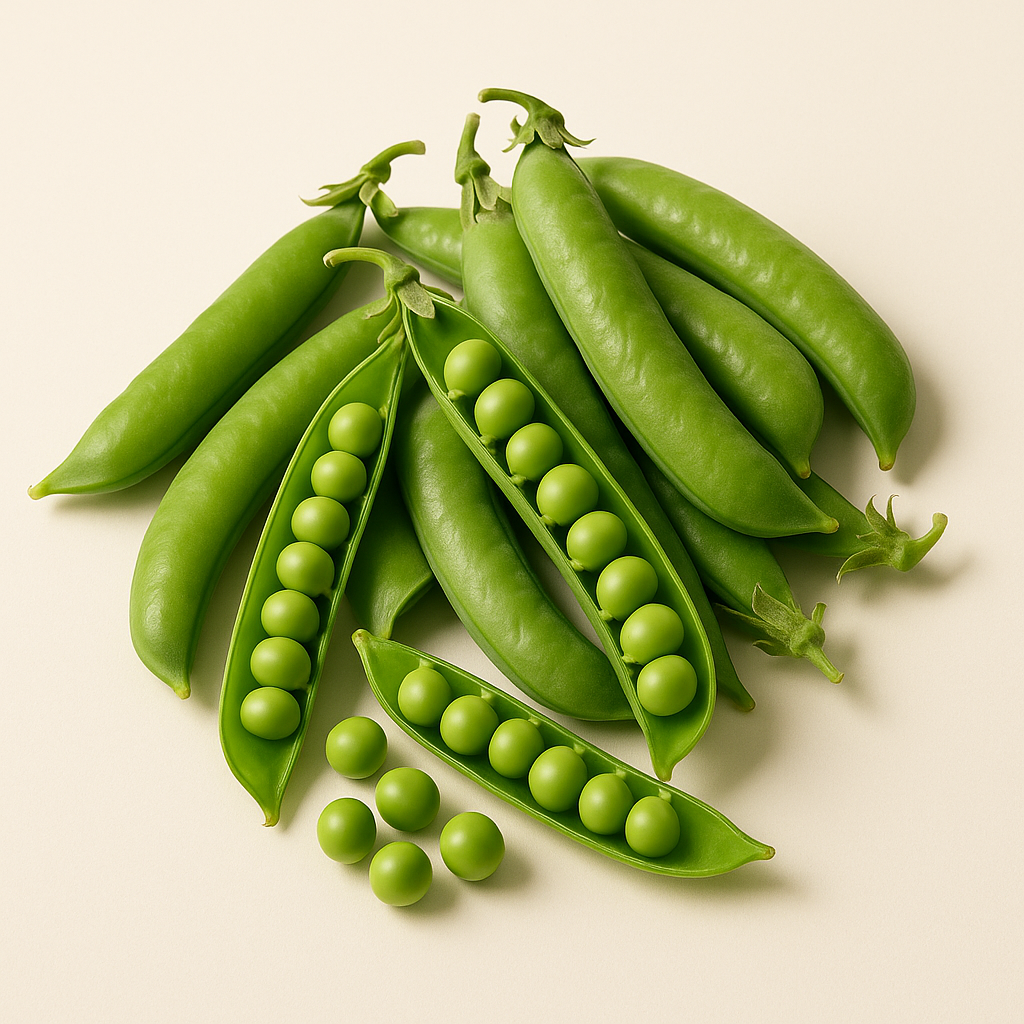
Garden Peas
Pisum sativum
Family: Fabaceae
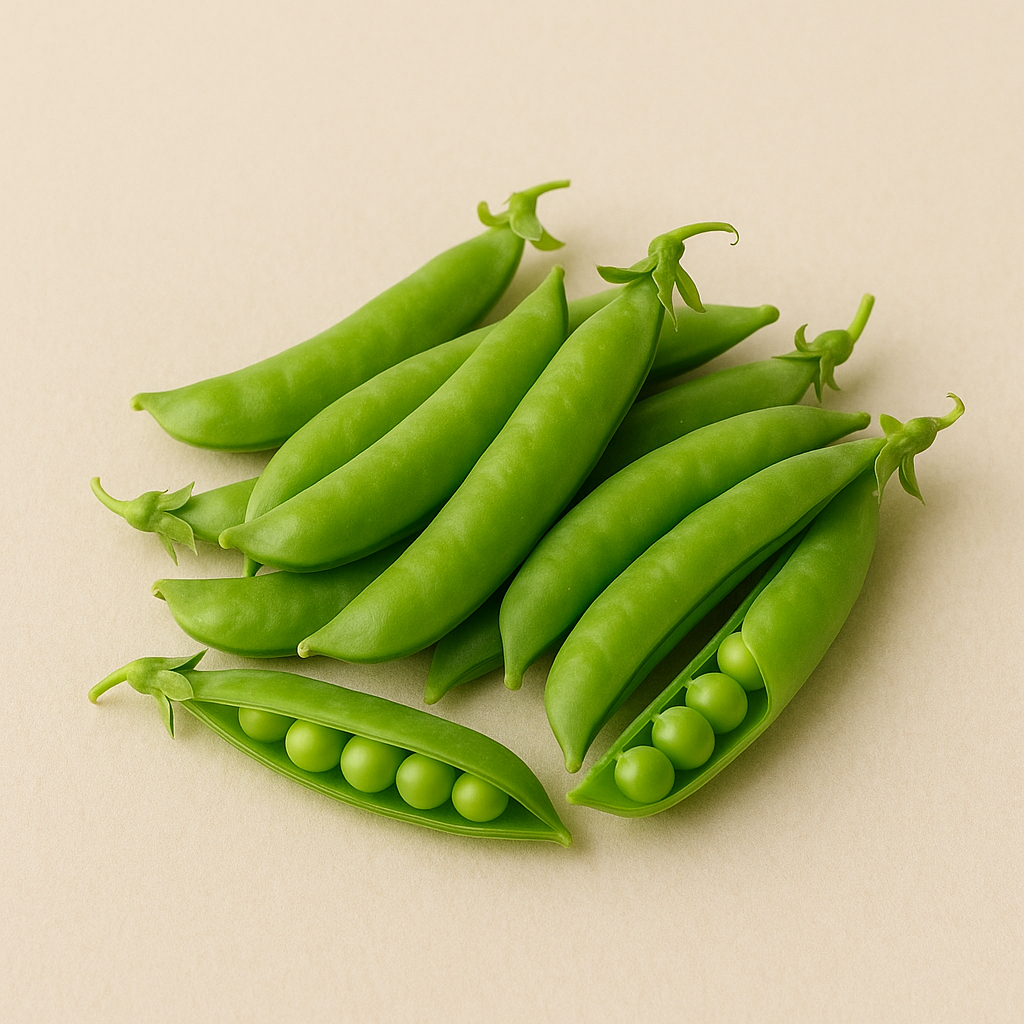
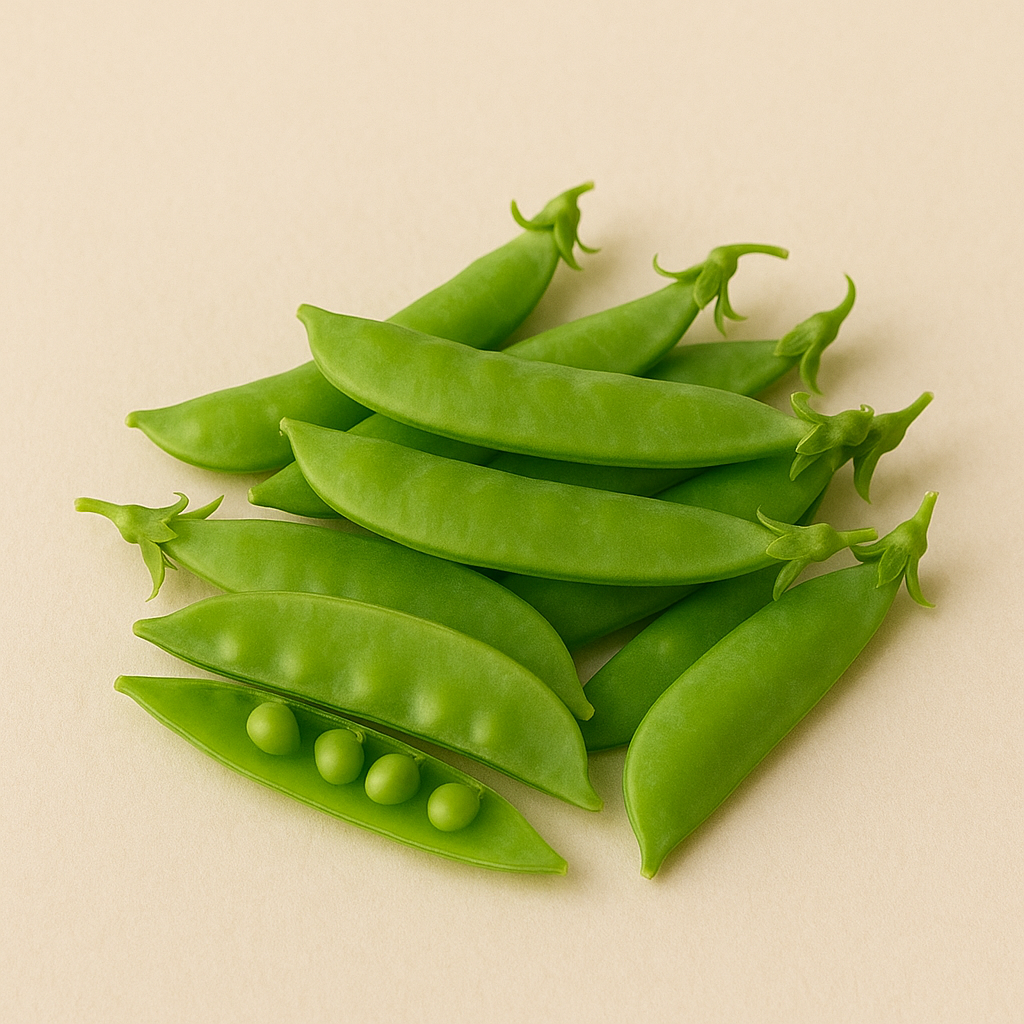
Garden peas (shelling peas) are a cool-season treat, offering sweet, tender peas for fresh eating or freezing. They must be planted early as peas stop producing when weather heats up. The reward is nothing like frozen peas—garden-fresh peas are incomparably sweet.
Days to Harvest
55-70 days
Sun Needs
Full Sun to Partial Shade (6+ hours)
moderate
Germination Temp
55°F optimal
Start Indoors
0 weeks before last frost
Germination
7-14 days
Seed Depth
1 to 1.5 inches
Light to Germinate
No
💡 Tip: Direct sow as early as soil can be worked (4-6 weeks before last frost). Inoculating with pea inoculant improves nitrogen fixation.
Soil Type
Well-draining soil with moderate fertility
pH Range
6 - 7.5
Spacing
2 inches between plants, 18-24 inches between rows
⚠️ Avoid planting near:
History
Garden peas rank among humanity's oldest cultivated vegetables, with archaeological evidence of domestication stretching back 10,000 years to the Fertile Crescent region of the Middle East. Ancient Greeks and Romans ate peas dried rather than fresh—the concept of eating immature "green peas" didn't develop until the 16th-17th centuries in France and England. When Italian gardeners presented fresh peas to Louis XIV's court in the 1660s, they sparked an aristocratic craze: French courtiers competed to serve the earliest spring peas, and "petits pois" became synonymous with culinary refinement. The English developed their own pea culture, making mushy peas and garden peas with mint iconic components of British cuisine. Beyond culinary history, peas played a starring role in scientific history: Augustinian friar Gregor Mendel conducted his revolutionary genetics experiments on pea plants in the 1850s-60s, discovering the fundamental laws of heredity that became the foundation of modern genetics. The traits he studied—plant height, seed color, seed texture—remain visible in the garden pea varieties we grow today. Fresh peas' fleeting perfection (sugars begin converting to starch within hours of harvest) made them a luxury until Clarence Birdseye's freezing technology in the 1920s brought sweet peas year-round—though gardeners insist nothing matches the incomparable sweetness of peas eaten minutes from the vine.
Nutritional Benefits
- ✓High in plant protein
- ✓Excellent source of fiber
- ✓Rich in Vitamin K
Optimal Growing Temp
55°F - 70°F
Garden peas thrive in cool temperatures between 55-70°F. They grow poorly above 75°F and stop producing when temperatures consistently exceed 80°F. Peas can germinate in soil as cool as 40°F.
Survival Range
28°F - 75°F
Can survive these temperatures
Frost Note: Garden peas are remarkably frost-tolerant and can withstand temperatures down to 28°F. Seedlings handle light frosts well. This makes them ideal for early spring planting, even before last frost date.
Best USDA Zones
Humidity
50-70%
Moderate humidity is preferred. High humidity increases risk of powdery mildew. Good air circulation helps prevent fungal diseases.
Height
2-6 feet
Spread
6-12 inches
Growth Habit
climbing
Germination
7-14 days
Seeds germinate in soil temperatures from 40-75°F, with optimal germination at 60-65°F. First shoots emerge as curved stems that straighten as they reach light.
Seedling Stage
Duration: 2-3 weeks
True leaves: First true leaves are small and compound with tendrils appearing early. Tendrils begin reaching for support.
Transplant ready: Peas should be direct sown. Transplanting is not recommended as it damages the tap root and stunts growth.
Vegetative Growth
Duration: 3-4 weeks
Rapid climbing growth with development of compound leaves and grasping tendrils. Nitrogen-fixing nodules form on roots.
Flowering
Timing: 5-7 weeks after sowing
Duration: 2-3 weeks
Garden peas are self-pollinating. White or purple flowers appear in clusters. Pollination occurs before flowers fully open, ensuring pod set.
Fruit Development
Begins: 7-10 days after flowering
Duration: 3-4 weeks of harvest
Pods develop rapidly after flowering. Harvest when pods are plump and peas inside have developed but are still tender and sweet.
Harvest Maturity
Timing: 55-70 days from sowing
- Pods are plump and filled out
- Peas inside are round but still tender
- Pod color is bright green (not yellowing)
- Pods snap cleanly when bent
- Harvest before peas become starchy
Per Plant
1/4 to 1/2 lb shelled peas per plant
Per Square Foot
1-2 lbs pods per square foot
Harvest Frequency
Every 2-3 days at peak production
Factors Affecting Yield
- •Variety selection—some produce heavier yields than others
- •Cool temperatures during flowering and pod set
- •Adequate support for climbing varieties
- •Regular harvesting encourages continued production
- •Consistent moisture during pod development
- •Inoculation with rhizobium bacteria improves yields
Seedling Stage
Keep soil consistently moist but not waterlogged during germination
Established Plants
1 inch per week through deep watering
During Fruiting
Maintain 1-1.5 inches per week during flowering and pod development
Preferred Method
Water at base of plants in morning. Drip irrigation or soaker hoses ideal. Avoid wetting foliage to prevent powdery mildew.
⚠️ Critical Watering Periods
- • Germination
- • Flowering
- • Pod filling
Pro Tips
- Mulch to retain moisture and keep roots cool
- Water in morning to allow foliage to dry
- Consistent moisture is critical during flowering
- Reduce watering slightly as harvest begins
- Cool soil temperatures extend harvest window
Feeding Schedule
At Planting
Bone meal or rock phosphate
Once
Mid-Season
Light compost side-dress if needed
Once (optional)
Organic Options
Mix compost into soil before planting. Add bone meal to planting row. Inoculate seeds with rhizobium bacteria.
Minimum Size
5 gallon (12 inches deep)
Recommended Size
10-15 gallon for multiple plants
Depth Required
At least 10-12 inches deep
Best Varieties for Containers
Container Tips
- Choose dwarf varieties for containers (Tom Thumb, Little Marvel)
- Provide support structure even for dwarf types
- Use well-draining potting mix with compost
- Plant 4-6 seeds per 5-gallon container
- Water frequently as containers dry out faster
- Best grown in cool spring or fall weather
Plant Every
Every 10-14 days
Sowings/Season
3-4 spring plantings, possible fall crop
Duration
Early spring through last planting 60-70 days before summer heat
Tips
- Start as early as soil can be worked (6 weeks before last frost)
- Make 3-4 successive plantings every 10-14 days
- Stop planting when daytime temps consistently reach 70°F
- In mild climates, plant again in fall
- Use early varieties for late plantings to beat heat