English Lavender
Lavandula angustifolia
Family: Lamiaceae
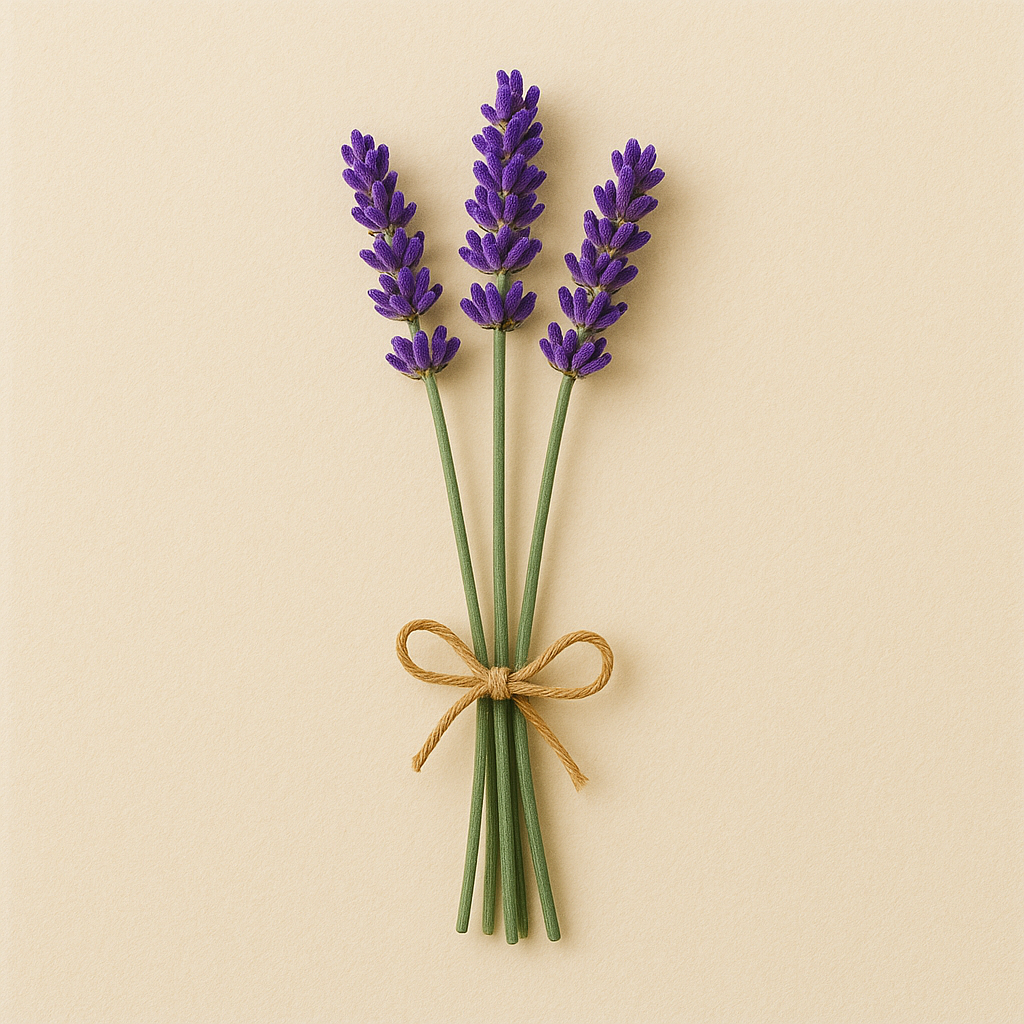
English lavender is a beloved fragrant perennial with silvery-green foliage and spikes of purple flowers. Known for its calming scent, it is used in aromatherapy, sachets, and culinary applications.
Days to Harvest
85-100 days
Sun Needs
Full Sun (6-8+ hours)
low
Germination Temp
70°F optimal
Start Indoors
10 weeks before last frost
Germination
14-28 days
Seed Depth
Surface sow
Light to Germinate
Yes
💡 Tip: Cold stratify seeds for 2-4 weeks before sowing. Germination can be slow and erratic.
Soil Type
Well-draining, sandy or gravelly soil
pH Range
6.5 - 8
Spacing
18-24 inches between plants
⚠️ Avoid planting near:
History
Lavender's name derives from the Latin "lavare" meaning "to wash," reflecting its ancient association with cleanliness and bathing rituals. The Romans are credited with introducing lavender throughout their empire, adding the fragrant herb to their famous baths and using it to scent linens and clothing. Ancient Egyptians used lavender oil in the mummification process, and traces have been found in jars within Tutankhamun's tomb. During the Great Plague of London in 1665, people tied bunches of lavender to their wrists believing it would protect against infection—while the herb couldn't prevent plague, it may have helped repel the fleas that actually spread the disease. English lavender (Lavandula angustifolia), despite its name, is native to the Mediterranean region and was brought to England by the Romans or possibly earlier. The herb became commercially significant in Provence, France, where vast lavender fields have been cultivated since the medieval period and continue to supply the world's perfume industry. Queen Elizabeth I of England reportedly required lavender conserve at her table daily, and the herb has remained associated with British cottage gardens ever since. The town of Sequim, Washington, has become the "Lavender Capital of North America" with an annual lavender festival drawing thousands of visitors to fields rivaling those of Provence.
Nutritional Benefits
- ✓Contains linalool with calming properties
- ✓Antioxidant compounds
- ✓May reduce anxiety and improve sleep
Optimal Growing Temp
60°F - 75°F
English lavender thrives in moderate temperatures and tolerates both heat and cold well once established. Prefers warm days and cool nights. Excessive heat (above 95°F) may stress plants; provide afternoon shade in hottest climates.
Survival Range
40°F - 90°F
Can survive these temperatures
Frost Note: Very cold hardy once established, tolerating temperatures down to -20°F (zone 5). First-year plants need winter protection. Wet winter conditions are more dangerous than cold—ensure excellent drainage.
Best USDA Zones
Humidity
30-50%
Prefers low to moderate humidity. High humidity can promote fungal diseases. Essential to provide excellent air circulation and avoid overhead watering. Mediterranean native adapted to dry conditions.
Height
12-24 inches
Spread
18-30 inches
Growth Habit
clumping
Germination
14-30 days
Slow and erratic germination. Seedlings are tiny and grow slowly at first. Cold stratification improves germination rates.
Seedling Stage
Duration: 6-8 weeks
True leaves: First true leaves are narrow and silvery-green. Seedlings need bright light and careful watering to prevent damping off.
Transplant ready: Ready to transplant when 3-4 inches tall with several sets of true leaves (8-10 weeks from sowing).
Vegetative Growth
Duration: First season focuses on establishing root system and foliage
First-year plants grown from seed typically don't flower. Focus is on developing strong woody base and root system. Keep plants compact through pruning.
Flowering
Timing: 2nd year and beyond; early to mid-summer
Duration: 4-6 weeks
Highly attractive to bees, butterflies, and other pollinators. Self-fertile but cross-pollination enhances seed production.
Harvest Maturity
Timing: 2-3 years to reach full size and flower production
- Woody base develops
- Consistent annual flowering
- Forms dense, rounded shrub
Per Plant
Mature plants produce 100-200 flower stems per season, yielding 1-2 cups dried lavender buds.
Per Square Foot
1 plant per 2-3 square feet when mature (lavender needs space for air circulation)
Harvest Frequency
Harvest once per year in early summer when about half the buds have opened. Secondary, lighter bloom may occur in fall.
Factors Affecting Yield
- •Full sun essential for maximum flower production
- •Poor soil increases essential oil concentration
- •Pruning after flowering promotes bushy growth
- •Age—mature plants (3+ years) produce most abundantly
Seedling Stage
Keep soil lightly moist but never wet. Mist gently. Overwatering is the primary killer of lavender seedlings.
Established Plants
Water deeply but infrequently. Allow soil to dry completely between waterings. Typically every 7-14 days in summer; less in cooler weather.
During Fruiting
Reduce watering during flowering to concentrate essential oils. Drought stress during bloom enhances fragrance.
Preferred Method
Water at soil level only—never wet the foliage. Drip irrigation ideal. Deep, infrequent watering encourages deep root development and drought tolerance.
Pro Tips
- Lavender motto: "When in doubt, don't water"
- Overwatering is the #1 cause of lavender death
- Established lavender is extremely drought-tolerant
- Better to underwater than overwater—lavender recovers from drought easily
- Reduce watering significantly in fall and winter
Feeding Schedule
Planting
None—amend soil with lime if acidic, but no fertilizer
Once at planting
Established plants
Light compost topdressing or low-nitrogen fertilizer
Once in early spring (optional)
Before flowering
Bone meal or low-nitrogen bloom fertilizer (optional)
Once if needed
Organic Options
Lavender thrives on neglect. If soil is poor, light compost in spring is sufficient. Rich soil produces lush foliage but weak fragrance and poor winter hardiness.
Minimum Size
12 inch pot
Recommended Size
14-18 inch pot
Depth Required
At least 12-14 inches deep
Best Varieties for Containers
Container Tips
- Use terra cotta or unglazed pots for best drainage and air circulation
- Add extra perlite or sand to potting mix (50% amendment)
- Ensure drainage holes are large and unobstructed
- Container lavender needs more frequent watering but still allow to dry between waterings
- Protect containers in winter in zones 5-6—roots more vulnerable to freezing
- Prune regularly to keep compact in containers