Cantaloupe
Cucumis melo var. cantalupensis
Family: Cucurbitaceae
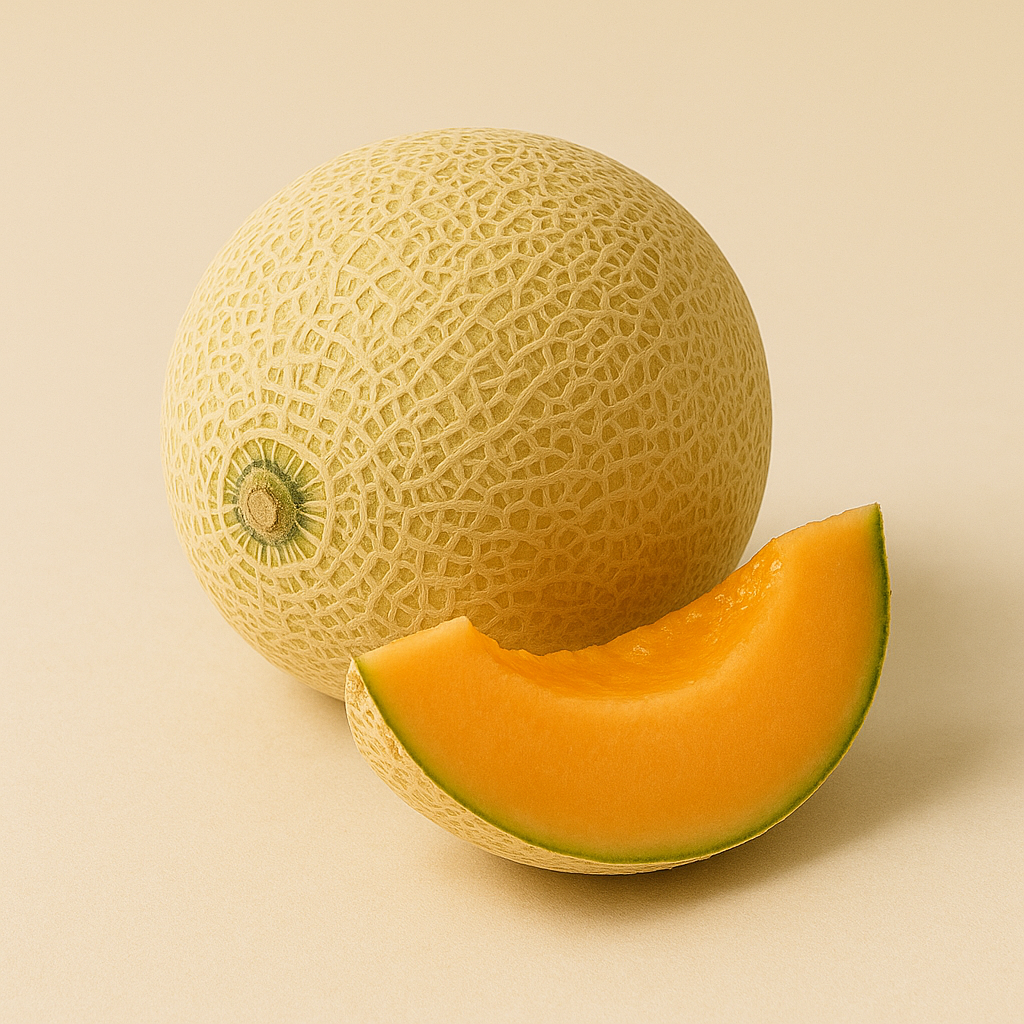
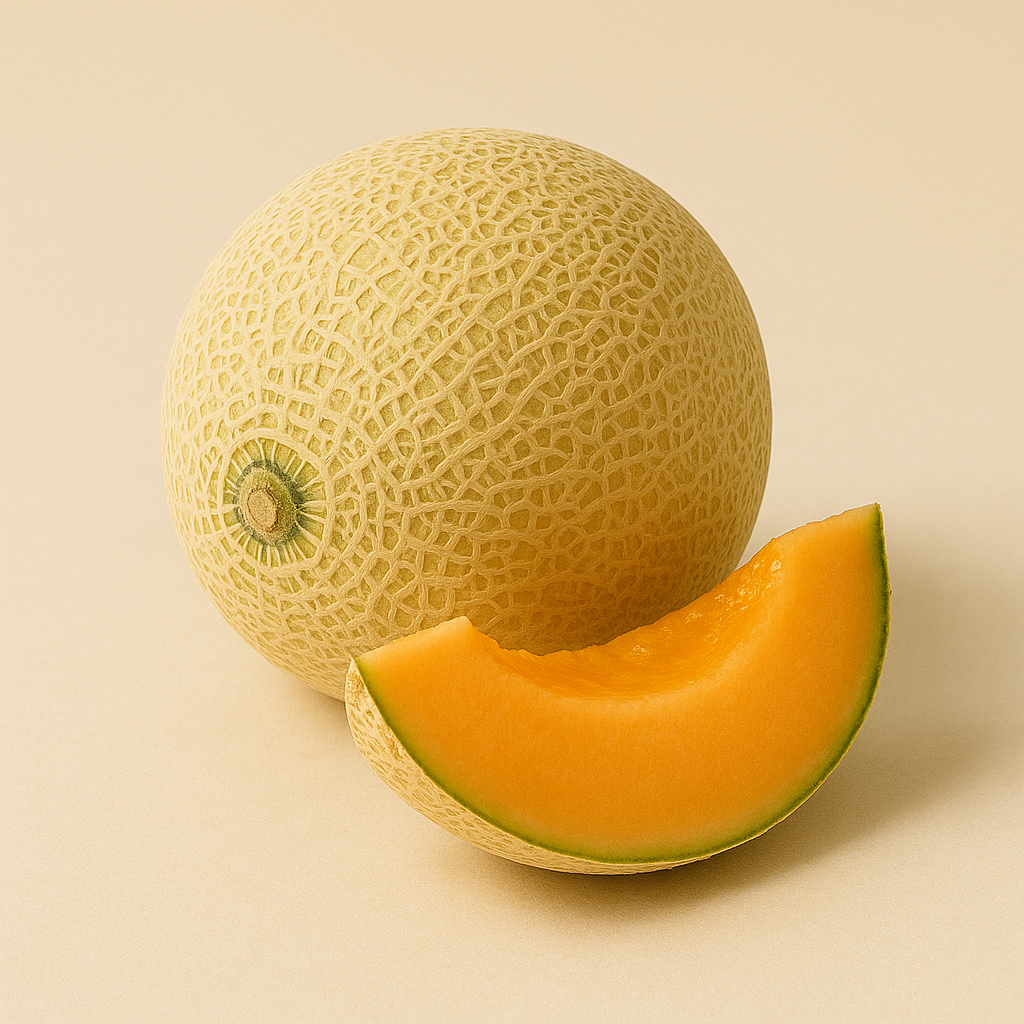
Cantaloupes (muskmelons) are fragrant, orange-fleshed melons that announce their ripeness with intoxicating aroma. They're easier and faster to grow than watermelons, making them ideal for shorter seasons. The netted rind is a signature of American cantaloupes.
Days to Harvest
65-90 days
Sun Needs
Full Sun (8+ hours)
moderate
Germination Temp
85°F optimal
Start Indoors
3 weeks before last frost
Germination
4-10 days
Seed Depth
1 inch
Light to Germinate
No
💡 Tip: Soil must be warm (65-70°F). Use black plastic to warm soil. Short-season areas should start indoors in biodegradable pots.
Soil Type
Sandy loam, well-draining, rich in organic matter
pH Range
6 - 6.8
Spacing
4-6 feet between plants, 6-8 feet between rows
⚠️ Avoid planting near:
History
The cantaloupe's journey from ancient Persia to global popularity spans millennia and involves delightful nomenclatural confusion. True cantaloupes—smooth-skinned, ribbed melons—take their name from Cantalupo, a papal summer estate near Rome where Armenian traders introduced Persian melons in the 15th century. What Americans call cantaloupe is actually a muskmelon (Cucumis melo var. reticulatus), distinguished by its netted rind and muskier aroma—the confusion persists because both are delicious. Ancient Egyptians, Greeks, and Romans cultivated various melons, with Pliny the Elder noting a new melon variety appearing in Italy during the 1st century CE. Spanish explorers brought muskmelons to the Americas, where they thrived in the hot summers of the New World. Thomas Jefferson grew several varieties at Monticello, meticulously recording their performance. By the early 20th century, the Rocky Ford cantaloupe from Colorado became America's gold standard, prized for intense sweetness and shipped nationwide. France's legendary Charentais—technically a true cantaloupe—remains so revered that French law once prohibited its export. Today, the Central Valley of California produces the majority of American cantaloupes, though local "vine-ripened" melons from farm stands consistently outshine their shipped counterparts.
Nutritional Benefits
- ✓Extremely high in Vitamin A (beta-carotene)
- ✓Excellent source of Vitamin C
- ✓High water content
Optimal Growing Temp
70°F - 85°F
Cantaloupes thrive in temperatures between 70-85°F. Growth slows below 60°F and above 90°F. Cooler nights (60-70°F) improve flavor and sweetness.
Survival Range
55°F - 95°F
Can survive these temperatures
Frost Note: Cantaloupes are killed by any frost. Light frost damages foliage and ruins fruit. Do not plant outdoors until soil temperature reaches at least 65°F, preferably 70°F.
Best USDA Zones
Humidity
50-65%
Moderate humidity is ideal. High humidity promotes powdery mildew and other fungal diseases. In humid climates, use raised beds and ensure excellent air circulation.
Height
12-15 inches (vines spread horizontally)
Spread
4-8 feet
Growth Habit
vine
Germination
4-10 days
Seeds germinate best at 80-90°F soil temperature. Use heat mats or black plastic mulch. First sprouts emerge with rounded seed leaves.
Seedling Stage
Duration: 2-3 weeks
True leaves: First true leaves appear 7-10 days after sprouting
Transplant ready: Ready when 3-4 inches tall with 2-4 true leaves. Harden off for 7-10 days before transplanting. Use biodegradable pots to minimize root disturbance.
Vegetative Growth
Duration: 3-4 weeks after transplant
Rapid vine growth with large, rough-textured leaves. Vines grow 8-12 inches per week in warm conditions. This phase builds the foliage framework to support fruit production.
Flowering
Timing: 4-5 weeks after transplant
Duration: 2-3 weeks of peak flowering
Cantaloupes produce separate male and female flowers. Males bloom first on long stems, females have a small bulge (baby melon) at the base. Bees are essential - hand-pollinate if few pollinators are present.
Fruit Development
Begins: Begins 7-10 days after successful pollination
Duration: 35-45 days from pollination to ripe fruit
Fruits grow rapidly, with netted rind developing as melon matures. Background color changes from green to tan/golden when ripe. Aromatic fragrance intensifies as sugars concentrate.
Harvest Maturity
Timing: 65-90 days from transplant or direct sowing
- Full slip - stem separates cleanly from fruit with gentle pressure
- Strong, sweet fragrance at blossom end
- Netting becomes pronounced and raised
- Background color turns from green to tan, cream, or golden yellow
- Slight softening at blossom end
Per Plant
3-6 melons per plant (10-25 lbs total)
Per Square Foot
4-8 lbs per square foot
Harvest Frequency
Check daily at peak season - melons ripen quickly once they begin
Factors Affecting Yield
- •Variety - some produce more fruits but smaller size
- •Pollinator activity - essential for fruit set
- •Consistent watering during fruit development
- •Adequate spacing - crowding reduces fruit size and number
- •Heat accumulation - warm weather concentrates sugars
- •Pruning - limiting to 4-5 fruits per vine increases size and sweetness
Seedling Stage
Keep soil consistently moist but not soggy. Water gently daily in warm weather.
Established Plants
1-2 inches per week through deep watering. Water deeply 2-3 times per week rather than shallow daily watering.
During Fruiting
Critical period - consistent moisture prevents stress. Reduce watering as fruit ripens (when netting develops fully) to concentrate sugars and intensify flavor.
Preferred Method
Drip irrigation or soaker hoses are ideal. Water at soil level, never overhead, to prevent foliar diseases. Water in morning so foliage dries before evening.
⚠️ Critical Watering Periods
- • Flowering and fruit set
- • First 2-3 weeks of fruit development
Pro Tips
- Deep watering encourages deep root development for drought tolerance
- Mulch heavily to retain moisture and suppress weeds
- Never water overhead - wet leaves invite powdery mildew
- Reduce watering last 7-10 days before harvest to concentrate sugars
- Consistent moisture during fruit development is crucial for quality
Feeding Schedule
At planting
Balanced 10-10-10 or rich compost
Once at transplanting
Vegetative growth
Side-dress with compost tea or balanced fertilizer
Every 3 weeks
Flowering begins
Switch to low-nitrogen 5-10-10
Every 2-3 weeks
Fruit development
Potassium-rich fertilizer for sweetness
Every 2-3 weeks until 2 weeks before harvest
Organic Options
Side-dress with compost every 3-4 weeks. Foliar spray with diluted fish emulsion every 2 weeks during vegetative growth. Apply potassium sources when fruits begin sizing.
Minimum Size
15 gallon for compact varieties
Recommended Size
20-25 gallon for standard varieties
Depth Required
At least 12-18 inches deep
Best Varieties for Containers
Container Tips
- Choose compact varieties like Minnesota Midget or Sugar Cube for containers
- Provide trellis or cage for vertical growing to save space
- Support developing melons with slings when growing vertically
- Water daily in hot weather - containers dry out quickly
- Feed every 2 weeks with balanced fertilizer, switch to low-nitrogen at flowering
- Position in full sun (8+ hours) in hottest spot available
Support Type
A-frame trellis, fence, or sturdy cattle panel (optional but space-saving)
Height Needed
4-6 feet tall
When to Install
Install before planting or at transplanting
Method
Train main vines upward, securing loosely with soft plant ties. When fruits reach baseball size, support each melon in a breathable fabric sling (old pantyhose or t-shirt fabric works well). Secure sling to trellis.
Tips
- Vertical growing saves significant ground space
- Limit to 3-4 fruits per vine when trellising
- Check slings regularly as fruits gain weight
- Smaller varieties (2-3 lbs) are easier to trellis than large ones
- Install slings early when melons are baseball-sized
- Trellised melons get better air circulation - fewer disease problems
Why Prune
When
When melons reach golf ball size, select 4-5 best fruits per plant and remove others
How Often
Once when fruits are sizing, plus ongoing removal of diseased foliage
Technique
Use clean shears to remove excess baby melons, keeping the 4-5 most promising fruits. Remove any diseased or damaged leaves. Optionally pinch off vine tips after adequate fruit set to direct energy to developing melons.
Remove
- ✗ Excess melons beyond 4-5 per vine
- ✗ Late-forming flowers that won't mature
- ✗ Diseased or yellowing leaves
- ✗ Damaged or misshapen fruits
Keep
- ✓ Healthy green leaves - essential for sugar production
- ✓ The 4-5 most well-formed fruits
- ✓ Main vines with good leaf coverage
Plant Every
Plant second batch 2-3 weeks after first planting
Sowings/Season
2-3 plantings possible in long-season areas
Duration
From 2 weeks after last frost until 75-80 days before first fall frost
Tips
- Succession planting extends harvest window by 3-4 weeks
- Choose faster varieties (65-75 days) for succession plantings
- Second planting may mature during cooler fall weather - less sweet but still good
- In hot climates (zones 8-9), succession planting is very successful
- Short-season areas (zones 3-5) may only have time for one planting