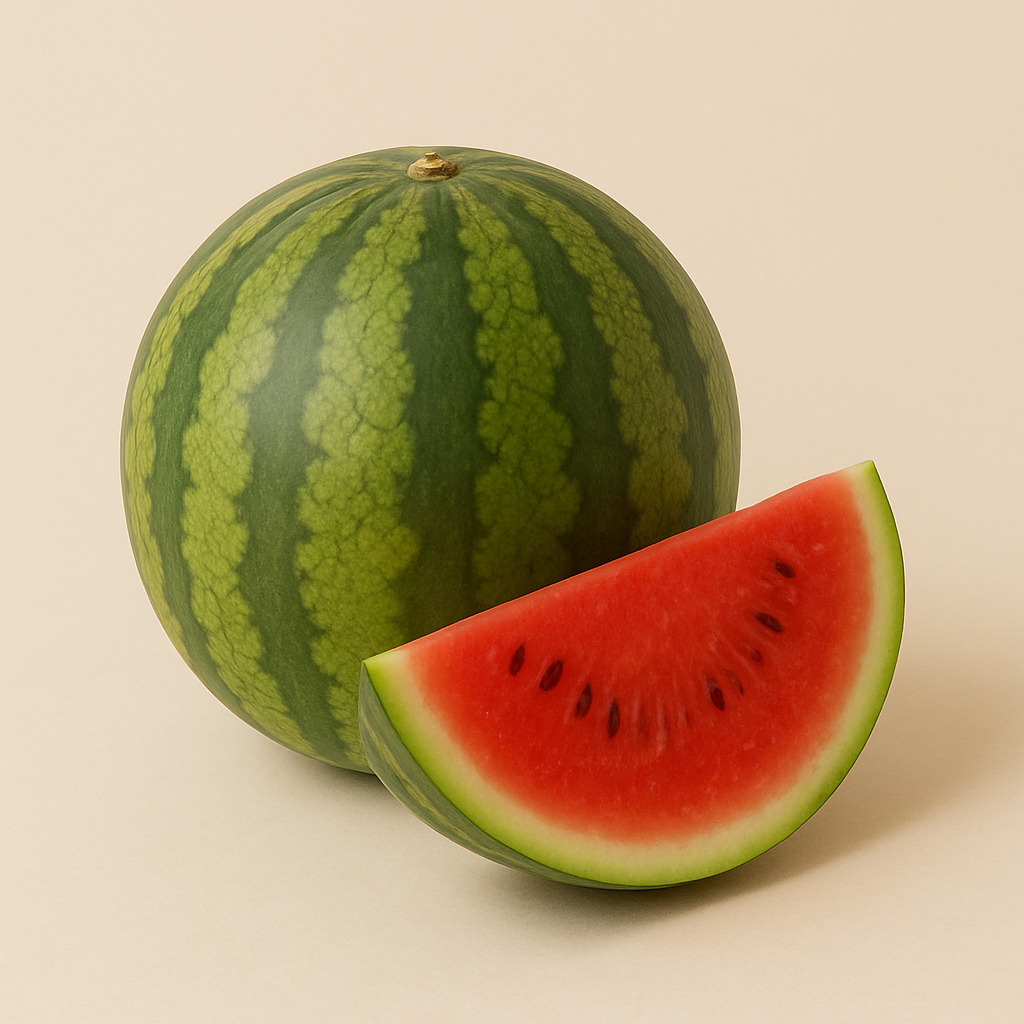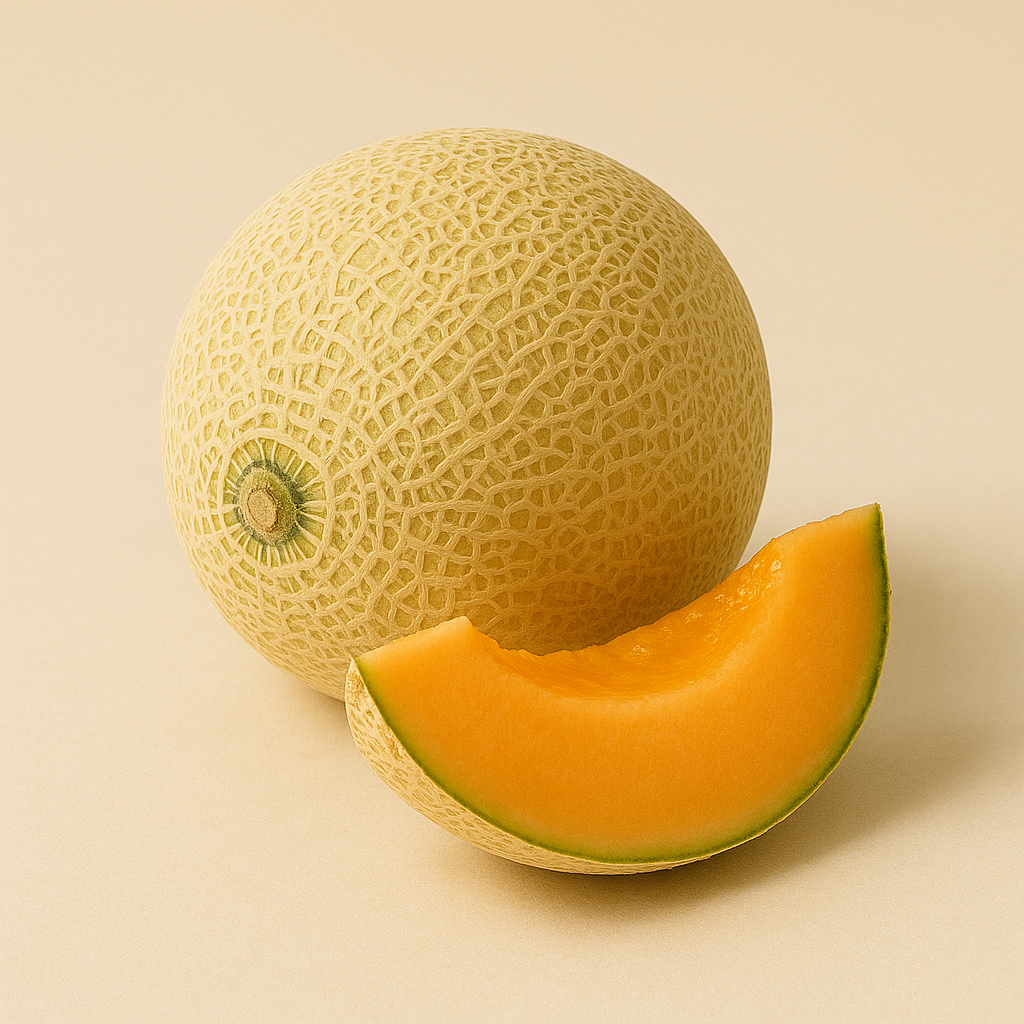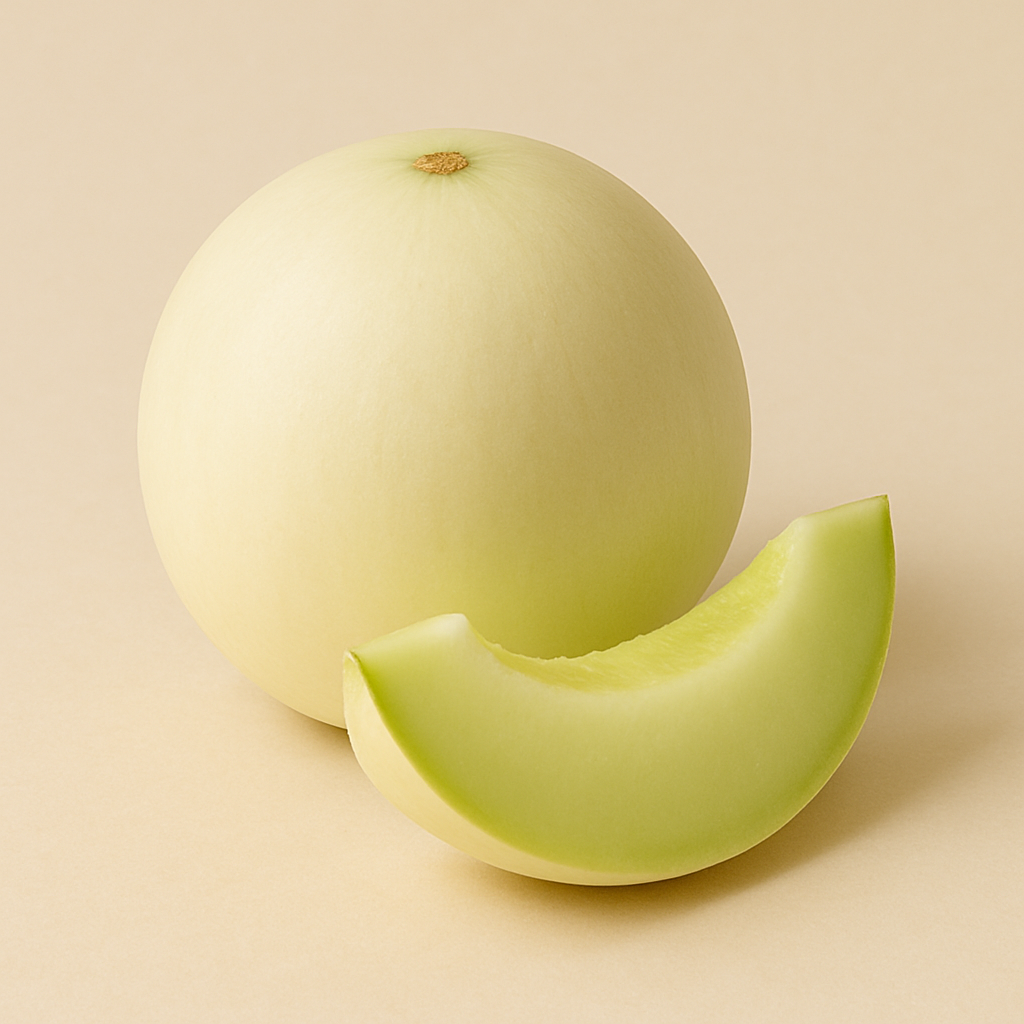
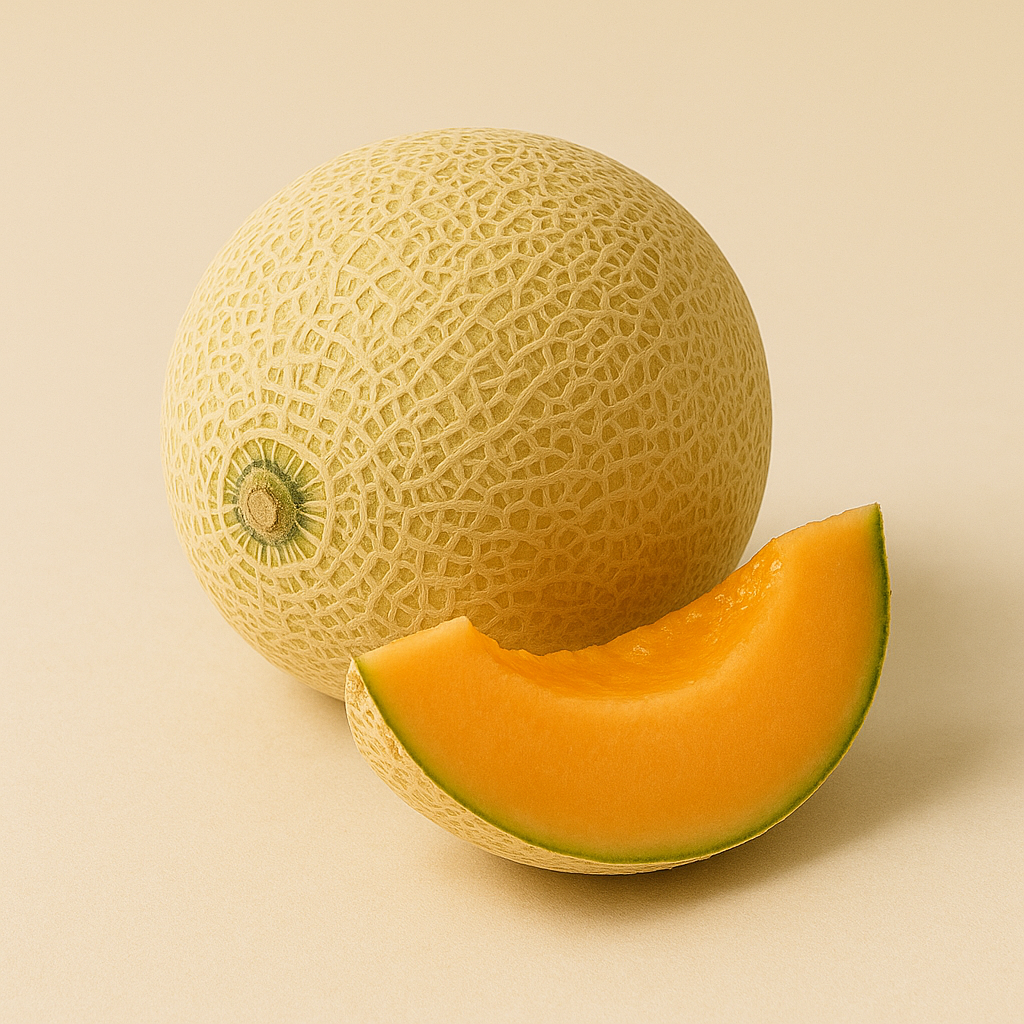
Specialty Melons
Cucumis melo
Family: Cucurbitaceae
Beyond standard cantaloupes and honeydews, specialty melons offer unique flavors and appearances. From the intensely sweet Charentais to the refreshing Galia, these melons bring gourmet experiences to your garden.
Days to Harvest
75-115 days
Sun Needs
Full Sun (8+ hours)
moderate
Germination Temp
85°F optimal
Start Indoors
4 weeks before last frost
Germination
5-12 days
Seed Depth
1 inch
Light to Germinate
No
💡 Tip: Many specialty melons need longer seasons and more heat. Start indoors. Use black plastic mulch and row covers.
Soil Type
Sandy loam, well-draining, rich in organic matter
pH Range
6 - 6.8
Spacing
4-6 feet between plants, 6-8 feet between rows
⚠️ Avoid planting near:
History
Specialty melons represent centuries of regional breeding passion, each variety reflecting the tastes and climate of its homeland. The Charentais, developed in western France's Charentes region in the 1920s, is perhaps the world's most revered melon—its small size, smooth grey-green rind, and intensely aromatic orange flesh set the standard for melon perfection, though its thin skin and short shelf life explain its rarity outside France. Israel's Galia melon, bred in the 1970s by Dr. Zvi Karchi, combined the best traits of cantaloupe and honeydew, creating a heat-tolerant variety that helped Israel become a melon exporter. The Crenshaw, developed in California, emerged from crossing Persian and Casaba melons, producing a large fruit with salmon-pink flesh and complex, spicy-sweet flavor. Spain's Piel de Sapo ("toad skin") has been cultivated for centuries, prized for its ability to store into winter—hence its alternate name "Christmas melon." The brilliant yellow Canary melon traces to North Africa, while Central Asian varieties like the Uzbek Torpedo melon showcase flavors virtually unknown in the West. These specialty melons remind us that the orange-fleshed American cantaloupe represents just one small corner of Cucumis melo's extraordinary diversity, inspiring adventurous gardeners to explore the global melon heritage.
Nutritional Benefits
- ✓High in Vitamin C
- ✓Good source of Vitamin A
- ✓High water content
Optimal Growing Temp
75°F - 90°F
Specialty melons need warm conditions, growing best at 75-90°F. Growth slows below 65°F and above 95°F. Soil must be 70°F+ for germination.
Survival Range
50°F - 100°F
Can survive these temperatures
Frost Note: Killed by frost. Do not plant until all danger of frost has passed and soil has warmed to at least 70°F. Cold soil causes poor germination and root rot.
Best USDA Zones
Humidity
50-70%
Moderate humidity preferred. High humidity promotes fungal diseases. Good air circulation essential for specialty varieties.
Height
12-18 inches (vining)
Spread
6-8 feet
Growth Habit
spreading
Germination
4-10 days
Seeds germinate best at 85-95°F. Seedlings emerge with two rounded seed leaves. Warmth is critical—use heat mats for indoor starts.
Seedling Stage
Duration: 3-4 weeks
True leaves: First true leaves are lobed and textured. Vining habit begins to show.
Transplant ready: Ready when plants have 3-4 true leaves and soil is warm. Handle carefully—melons resent root disturbance.
Vegetative Growth
Duration: 4-6 weeks
Rapid vine growth. Vines spread 6-8 feet in all directions. Secondary branching develops.
Flowering
Timing: 6-8 weeks after sowing
Duration: 3-4 weeks
Bee-pollinated. Male flowers appear first, female flowers (with tiny fruit below) follow. Multiple bee visits required for proper pollination.
Fruit Development
Begins: 35-50 days after pollination
Duration: 4-8 weeks of fruit development
Fruit grows rapidly after pollination. Size, netting (if applicable), and aroma develop as fruit matures. Specialty varieties have specific ripeness indicators.
Harvest Maturity
Timing: 80-100+ days from seed (variety dependent)
- Charentais: Intense perfume, slight softening at blossom end, stem begins to crack
- Galia: Green turns golden yellow, strong tropical aroma, slight give when pressed
- Crenshaw: Golden yellow color, blossom end gives to pressure, sweet aroma
- Most specialty melons develop strong fragrance when ripe
- Color changes specific to each variety
Per Plant
2-4 melons per plant
Per Square Foot
1-2 melons per 4 square feet
Harvest Frequency
Harvest individual fruits as they ripen over 2-4 weeks
Factors Affecting Yield
- •Pollination success
- •Warm temperatures throughout growing season
- •Adequate moisture during fruit development
- •Limiting fruit set to 3-4 per plant
- •Long, hot growing season
Seedling Stage
Keep consistently moist during establishment
Established Plants
1-2 inches per week through deep watering
During Fruiting
Reduce water slightly as fruits ripen—enhances sweetness
Preferred Method
Drip irrigation ideal. Water at soil level, not on foliage. Morning watering preferred.
⚠️ Critical Watering Periods
- • Pollination
- • Fruit set
- • Early fruit development
Pro Tips
- Consistent moisture until fruit set, then reduce
- Reduce watering 1-2 weeks before harvest for sweeter fruit
- Mulch heavily to maintain even moisture
- Drip irrigation prevents foliar diseases
Feeding Schedule
At Planting
Balanced 10-10-10 or compost
Once
At Flowering
Low nitrogen, higher phosphorus
Once
Fruit Development
Potassium-heavy for sweetness
Every 2 weeks
Organic Options
Work compost into soil before planting. Side-dress with kelp meal at flowering for potassium.
Minimum Size
Recommended Size
Depth Required
Best Varieties for Containers
Container Tips
- Specialty melons are NOT recommended for containers
- Extensive vining and deep root systems require garden space
- Minimum 15-20 gallon container if attempting
- Provide sturdy trellis and support for fruit
- Results inferior to ground-grown melons