
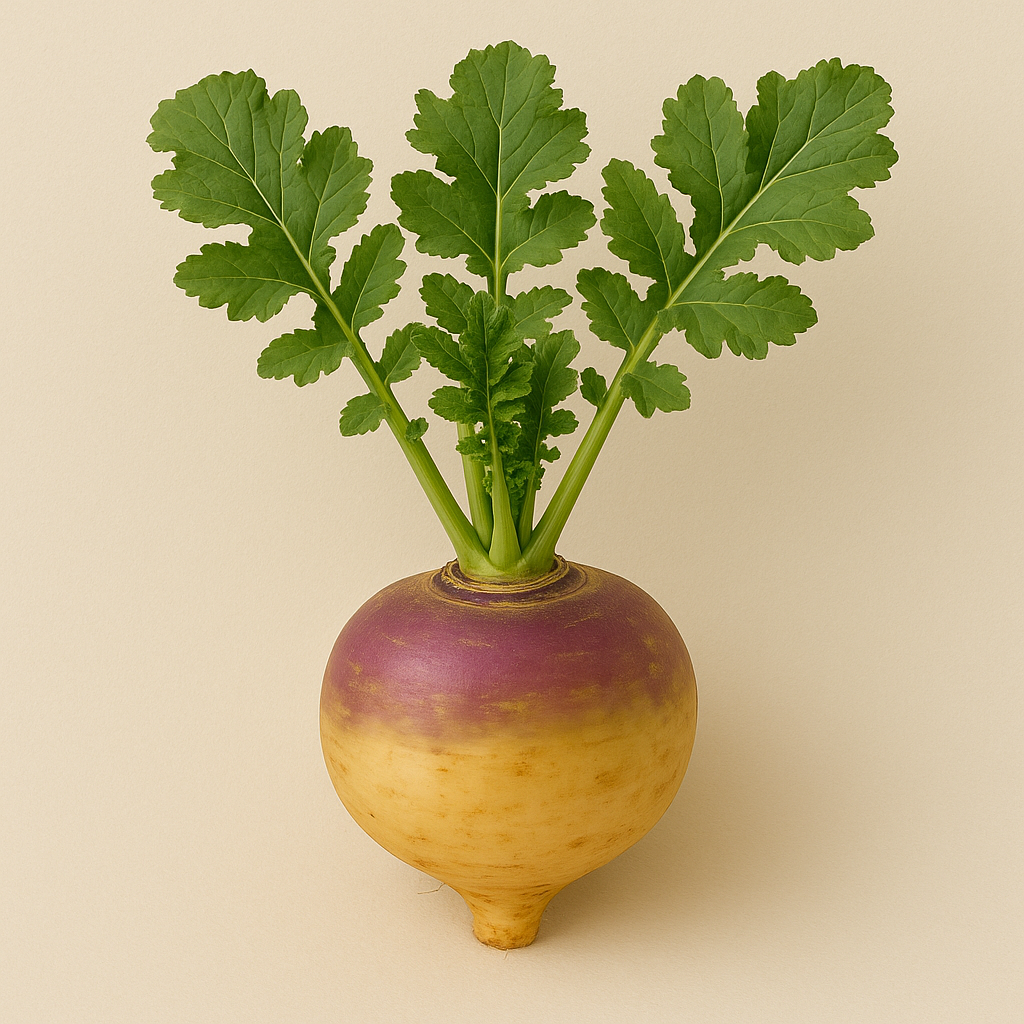
Rutabaga
Brassica napus var. napobrassica
Family: Brassicaceae
Rutabagas are large, sweet root vegetables that are a cross between cabbage and turnip. With purple-topped yellow flesh, they're sweeter than turnips and excellent for storage. Also called "swedes" or "Swedish turnips."
Days to Harvest
85-100 days
Sun Needs
Full Sun (6+ hours)
moderate
Germination Temp
65°F optimal
Start Indoors
0 weeks before last frost
Germination
4-10 days
Seed Depth
1/2 inch
Light to Germinate
No
💡 Tip: Direct sow in early to mid-summer for fall harvest. Rutabagas need 90+ days and develop best flavor after frost.
Soil Type
Loose, well-draining soil rich in organic matter
pH Range
6 - 7.5
Spacing
6-8 inches between plants, 18-24 inches between rows
⚠️ Avoid planting near:
History
Rutabagas likely originated in Bohemia (Czech Republic) in the 17th century as a natural cross between cabbage and turnip. They became a staple in Scandinavian countries and were brought to North America by European immigrants.
Nutritional Benefits
- ✓High in Vitamin C
- ✓Good source of fiber
- ✓Contains potassium
Optimal Growing Temp
50°F - 65°F
Rutabagas need a long, cool growing season. Frost improves flavor dramatically.
Survival Range
20°F - 80°F
Can survive these temperatures
Frost Note: Very frost tolerant—survives hard frosts to 20°F. Frost is essential for sweetness.
Best USDA Zones
Humidity
50-70%
Moderate humidity.
Height
15-20 inches
Spread
8-10 inches
Growth Habit
rosette
Germination
4-10 days
Seeds germinate readily in cool soil.
Seedling Stage
Duration: 3-4 weeks
True leaves: Leaves similar to cabbage
Transplant ready: Can transplant or direct sow.
Vegetative Growth
Duration: 12-16 weeks
Long growing season. Roots size up in fall.
Harvest Maturity
Timing: 90-120 days
- Shoulders 3-5 inches diameter
- Firm, heavy roots
- Best after frost
Per Plant
1 large root (1-3 lbs)
Per Square Foot
4 rutabagas (6-inch spacing)
Harvest Frequency
Single harvest
Factors Affecting Yield
- •Long season
- •Frost exposure
- •Consistent moisture
Seedling Stage
Keep moist
Established Plants
1-1.5 inches per week
During Fruiting
Consistent moisture for tender roots
Preferred Method
Drip irrigation or soaker hoses.
⚠️ Critical Watering Periods
- • Root sizing phase
Pro Tips
- Consistent moisture prevents woodiness
Feeding Schedule
Soil prep
Compost
Once
Mid-season
Side-dress
Once at 6-8 weeks
Organic Options
Work compost into soil; side-dress mid-season.
Minimum Size
Not recommended—roots too large
Recommended Size
Raised beds
Depth Required
12+ inches
Container Tips
- Better in ground or raised beds
What's the difference between rutabaga and turnip?
Rutabagas are larger, sweeter, and denser with yellow flesh. They take longer to mature (90-120 days vs 30-60) and store better. Rutabagas are a cross between cabbage and turnip.
More Root Vegetables
All Root Vegetables →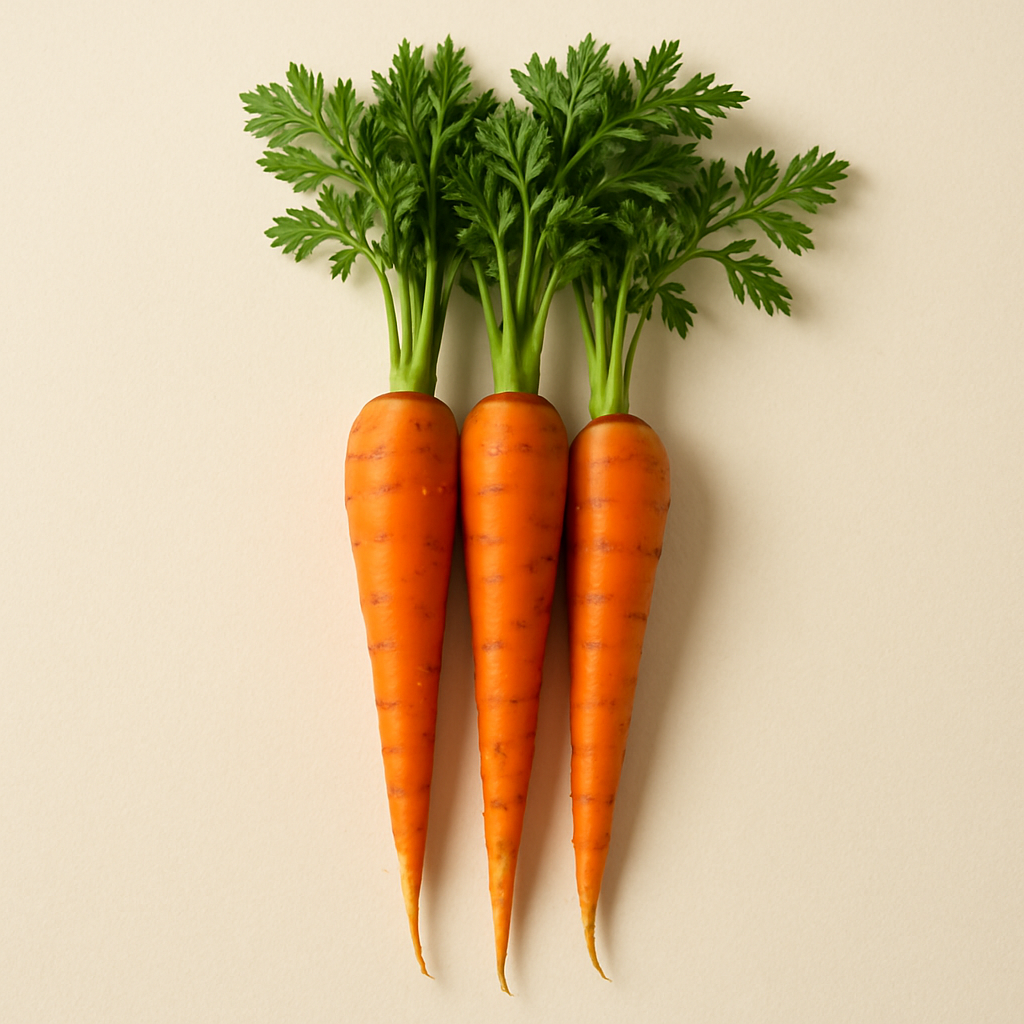
Carrots
Daucus carota subsp. sativus
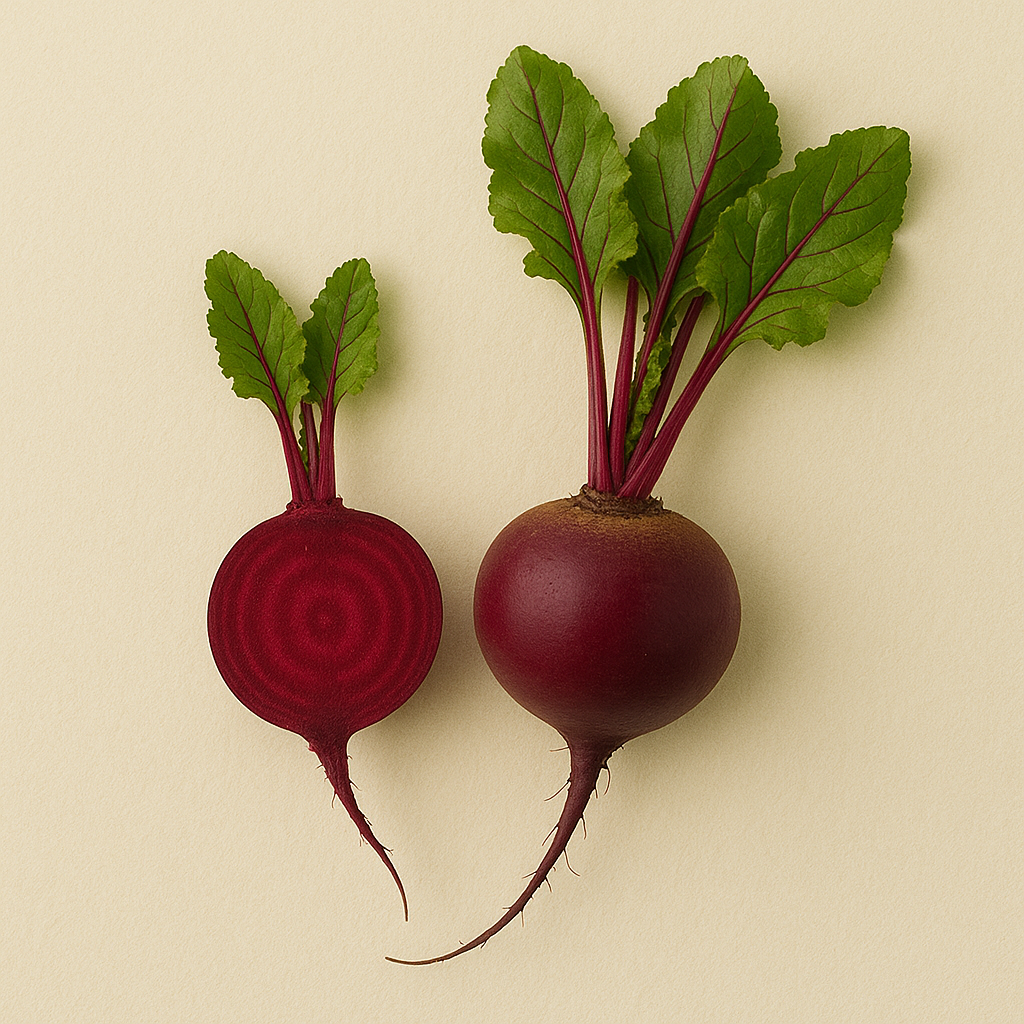
Beets
Beta vulgaris
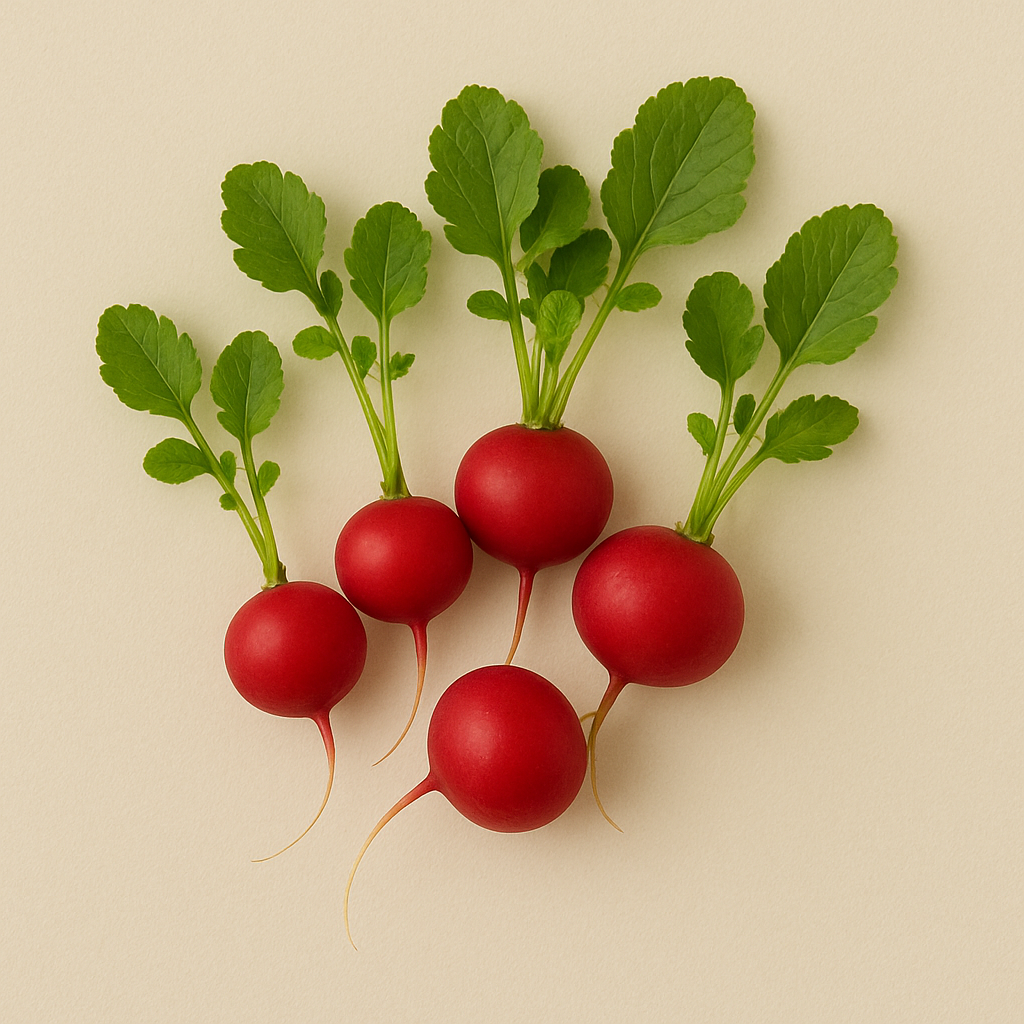
Radishes
Raphanus sativus
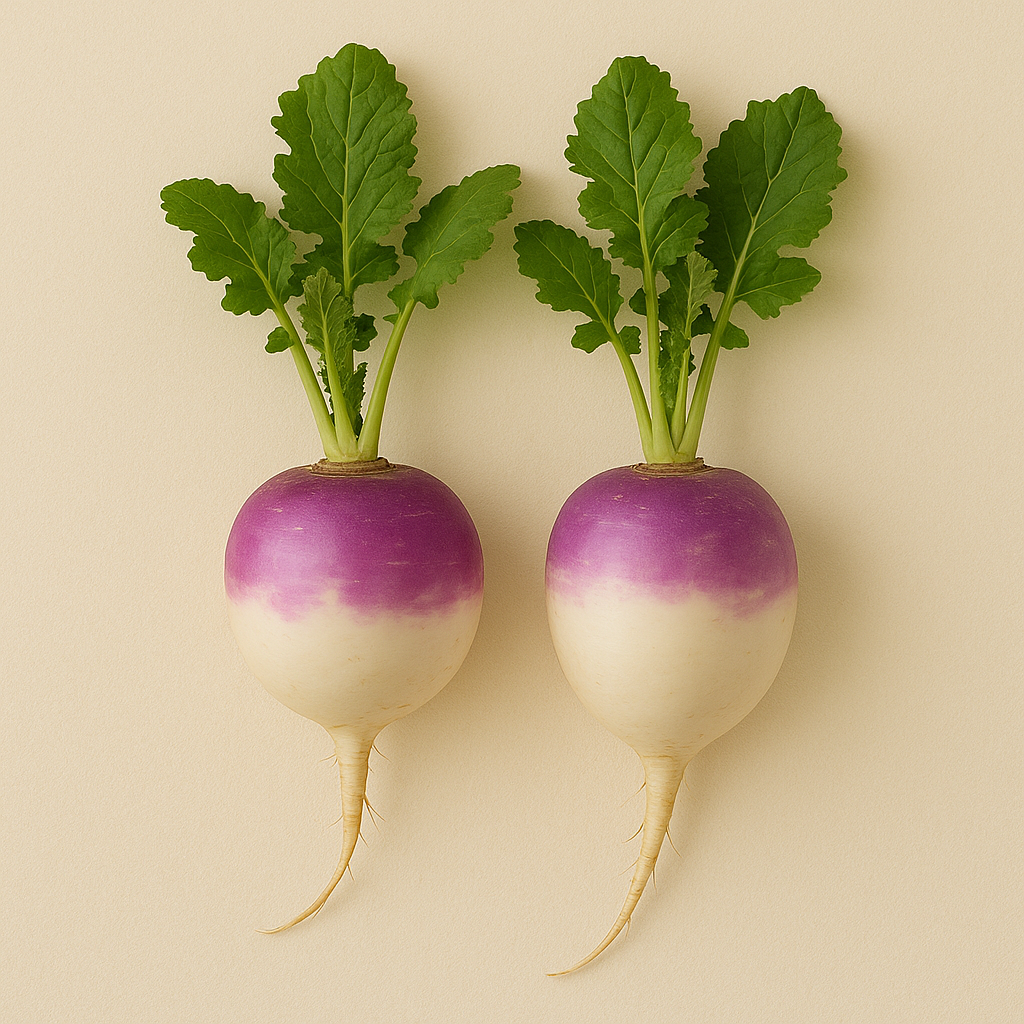
Turnips
Brassica rapa subsp. rapa
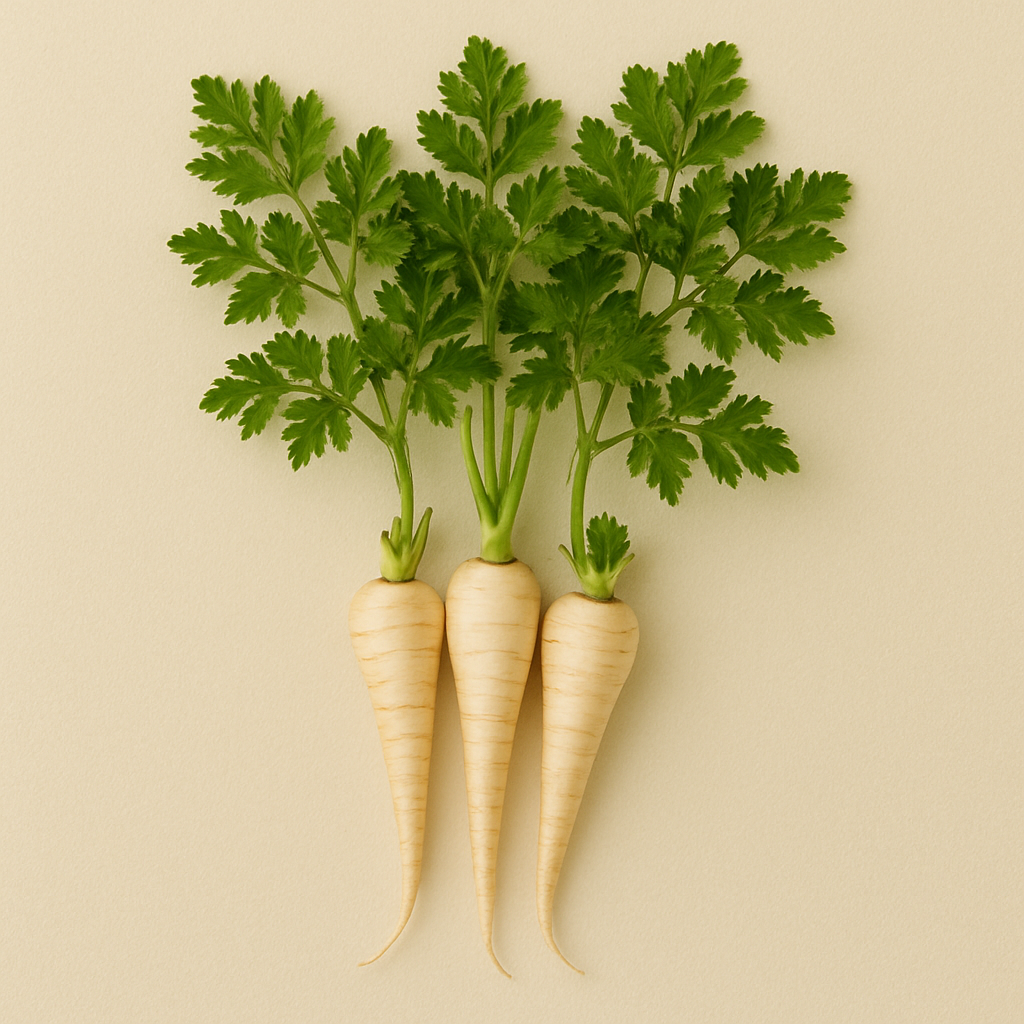
Parsnips
Pastinaca sativa
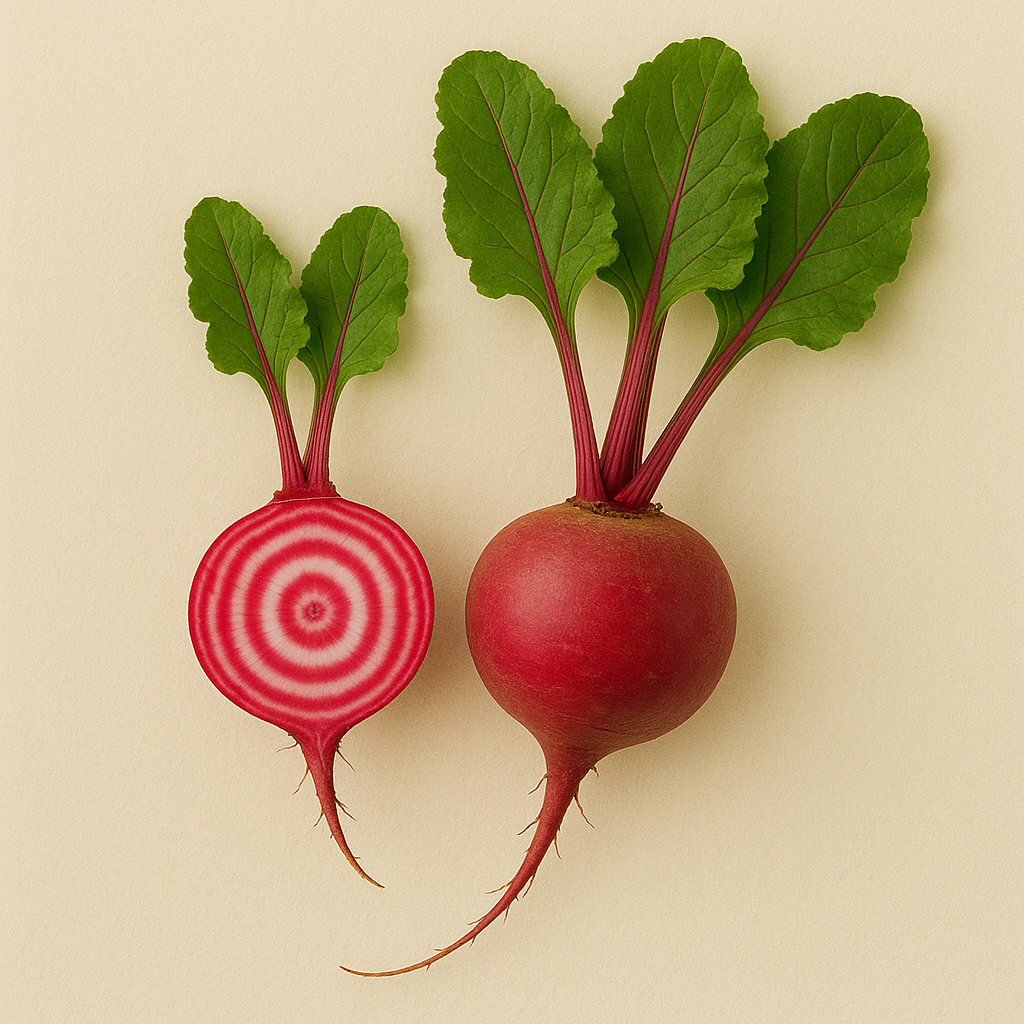
Chioggia Beet
Beta vulgaris

Golden Beet
Beta vulgaris

Purple Carrot
Daucus carota subsp. sativus

Rainbow Carrots
Daucus carota subsp. sativus

Daikon Radish
Raphanus sativus var. longipinnatus

French Breakfast Radish
Raphanus sativus

Watermelon Radish
Raphanus sativus

Hakurei Turnip
Brassica rapa subsp. rapa
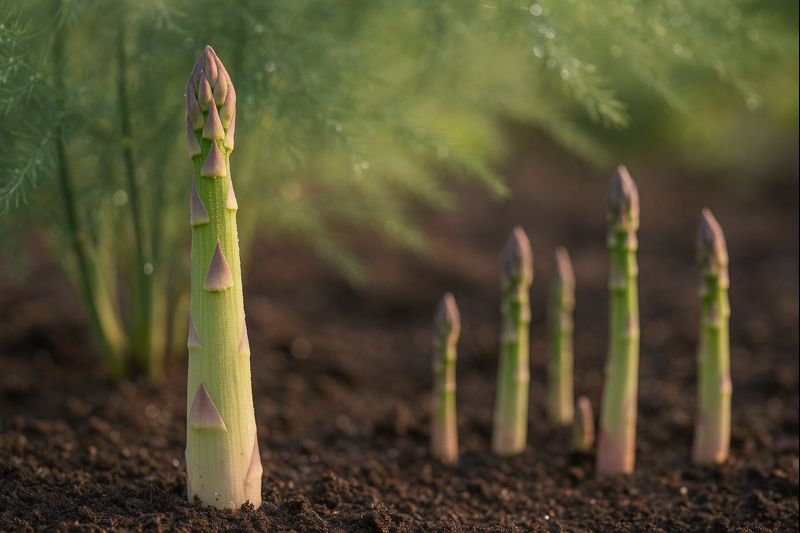
Asparagus
Asparagus officinalis
Rhubarb
Rheum rhabarbarum
Horseradish
Armoracia rusticana
Potatoes
Solanum tuberosum
Fennel Bulb (Florence Fennel)
Foeniculum vulgare var. azoricum
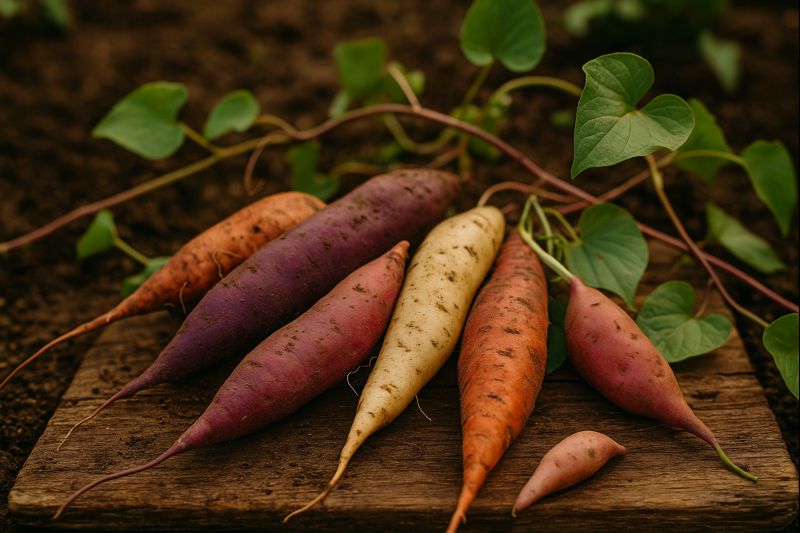
Sweet Potato
Ipomoea batatas