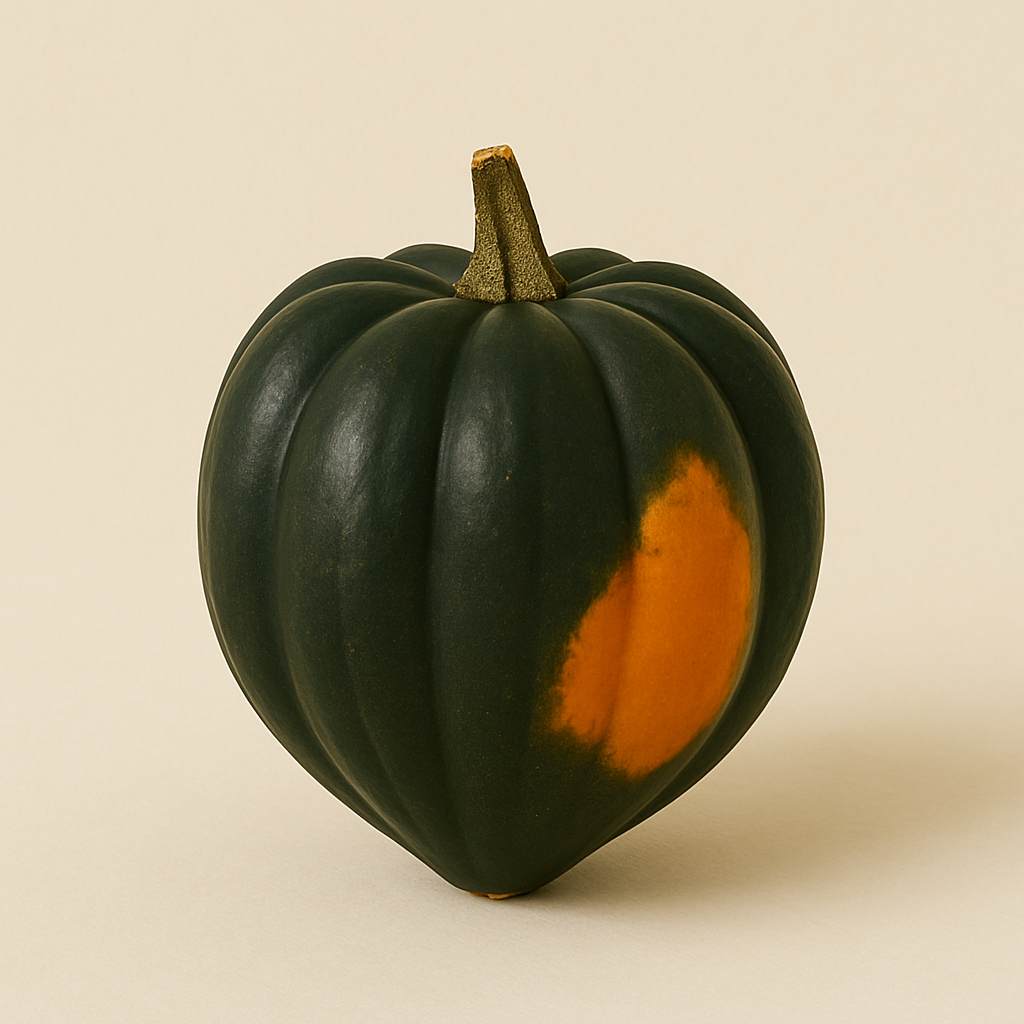
Acorn Squash
Cucurbita pepo
Family: Cucurbitaceae
Acorn squash is a beloved winter squash with a distinctive ridged shape and sweet, nutty flavor. The perfect single-serving size makes it ideal for stuffing and roasting. Its dark green skin and orange flesh make a beautiful presentation.
Days to Harvest
80-100 days
Sun Needs
Full Sun (6-8+ hours)
moderate
Germination Temp
85°F optimal
Start Indoors
3 weeks before last frost
Germination
5-10 days
Seed Depth
1 inch
Light to Germinate
No
💡 Tip: Direct sow when soil is warm.
Soil Type
Rich, well-draining soil
pH Range
6 - 6.8
Spacing
4-6 feet between plants
⚠️ Avoid planting near:
History
Acorn squash descends from the wild squashes of Central America domesticated over 8,000 years ago, making it part of one of humanity's oldest agricultural lineages. The distinctive ridged, acorn-shaped fruits were selected by Native American gardeners who valued both the edible flesh and the durable shells that could serve as containers. The name "acorn" appeared in American seed catalogs in the early 20th century, though similar squash had been grown under various regional names for generations. The Table Queen variety, introduced around 1913, became the definitive acorn squash and remains the standard today. Unlike larger winter squash, acorn squash's compact size makes it perfect for individual servings—simply halve, scoop seeds, and roast. The dark green skin with its orange-yellow patch indicates ripeness, and the skin is technically edible though most people prefer it removed. Acorn squash occupies an interesting position between summer and winter squash: it's harvested in fall, but its relatively thin skin and higher water content mean it doesn't store as long as butternut or Hubbard varieties. The development of golden and bicolor varieties like Carnival and Golden Acorn expanded the aesthetic possibilities while maintaining the classic sweet, slightly fibrous flesh. Its reliable productivity, compact vine habit (semi-bush rather than sprawling), and perfect portion size have made acorn squash a staple of American fall cooking, appearing on Thanksgiving tables alongside its squash relatives in pies and purees.
Nutritional Benefits
- ✓High in Vitamin C
- ✓Good source of Vitamin A
- ✓Rich in fiber
Optimal Growing Temp
65°F - 85°F
Acorn squash thrives in warm temperatures between 65-85°F. Growth slows below 60°F and above 90°F. More compact habit makes it slightly more cold-tolerant than sprawling varieties.
Survival Range
50°F - 95°F
Can survive these temperatures
Frost Note: Killed by any frost. Plant only after all frost danger has passed and soil has warmed to at least 60°F. Harvest before hard frost in fall.
Best USDA Zones
Humidity
50-70%
Moderate humidity is ideal. Good air circulation prevents powdery mildew and other fungal diseases common to squash.
Height
12-18 inches
Spread
6-10 feet
Growth Habit
vine
Germination
5-10 days
Seed coat splits, cotyledons emerge and unfold, hypocotyl straightens. Faster germination in warm soil (85°F optimal).
Seedling Stage
Duration: 2-3 weeks
True leaves: First true leaves are rounded with scalloped edges, appearing after cotyledons
Transplant ready: Ready to transplant when 2-3 true leaves developed and roots fill cell. Handle carefully—squash dislikes root disturbance.
Vegetative Growth
Duration: 4-6 weeks
Semi-bush vines develop with large lobed leaves. Root system establishes. More compact growth than butternut or pumpkin.
Flowering
Timing: 6-8 weeks after planting
Duration: 4-6 weeks
Requires bee pollination. Male flowers appear first on thin stems, female flowers have small ridged fruit at base.
Fruit Development
Begins: 1-2 weeks after successful pollination
Duration: 6-8 weeks to maturity
Fruit develops distinctive acorn shape with deep ridges. Skin darkens to deep green with orange ground spot.
Harvest Maturity
Timing: 80-100 days from seed
- Deep dark green color
- Orange ground spot where resting
- Very hard rind
- Dry, corky stem
- Cannot dent skin with fingernail
Per Plant
4-6 squash (1-2 lbs each)
Per Square Foot
1-2 lbs averaged over growing area
Harvest Frequency
Single harvest when all fruit matures in fall
Factors Affecting Yield
- •Pollination success
- •Consistent watering
- •Soil fertility
- •Growing season length
- •Pest and disease pressure
Seedling Stage
Keep consistently moist, water daily if needed
Established Plants
1-2 inches per week through deep watering
During Fruiting
Maintain consistent moisture; reduce slightly as fruit matures
Preferred Method
Drip irrigation or soaker hose at soil level. Avoid overhead watering to prevent fungal disease.
⚠️ Critical Watering Periods
- • Flowering and fruit set
- • Fruit development
Pro Tips
- Water at base of plant to avoid wet foliage
- Morning watering allows leaves to dry before evening
- Mulch heavily to retain moisture
- Inconsistent watering causes misshapen fruit
- Reduce watering 1-2 weeks before harvest to concentrate sugars
Feeding Schedule
Pre-planting
Compost and balanced organic fertilizer
Once at soil preparation
Vine development
Balanced fertilizer (10-10-10)
Every 2-3 weeks
Flowering/Fruiting
Low-nitrogen, high-phosphorus fertilizer
Every 2-3 weeks
Organic Options
Side-dress with compost when vines begin to run. Apply fish emulsion every 2-3 weeks during fruiting. Bone meal promotes fruit development.
Minimum Size
15 gallon minimum
Recommended Size
20+ gallons for best results
Depth Required
At least 12 inches deep
Best Varieties for Containers
Container Tips
- Acorn squash is more compact than many winter squash—good container choice
- Allow vines to trail over edges or up trellis
- Water more frequently than in-ground plants
- Limit to 3-4 fruits per container plant
- Use support slings for developing fruit if growing vertically
Support Type
A-frame or sturdy vertical trellis
Height Needed
6-8 feet
When to Install
Install at planting time before vines develop
Method
Train main vine up trellis with soft ties. Acorn squash is light enough (1-2 lbs) that fruit slings are optional but recommended.
Tips
- Saves significant garden space
- Improves air circulation and reduces disease
- Makes pest inspection easier
- Produces cleaner, more uniformly colored fruit
- Use fabric slings or old t-shirts to support heavier fruit
Why Prune
When
After fruit set, when 4-5 squash are developing
How Often
Once or twice during growing season
Technique
Pinch off vine tips to redirect energy to developing fruit. Remove damaged or diseased leaves as needed.
Remove
- ✗ Excess developing fruit beyond 5-6 per vine
- ✗ Vine tips after adequate fruit set
- ✗ Damaged or diseased leaves
- ✗ Secondary vines if space is limited
Keep
- ✓ Main vine and primary branches
- ✓ Selected fruits (5-6 per vine)
- ✓ Healthy foliage for photosynthesis