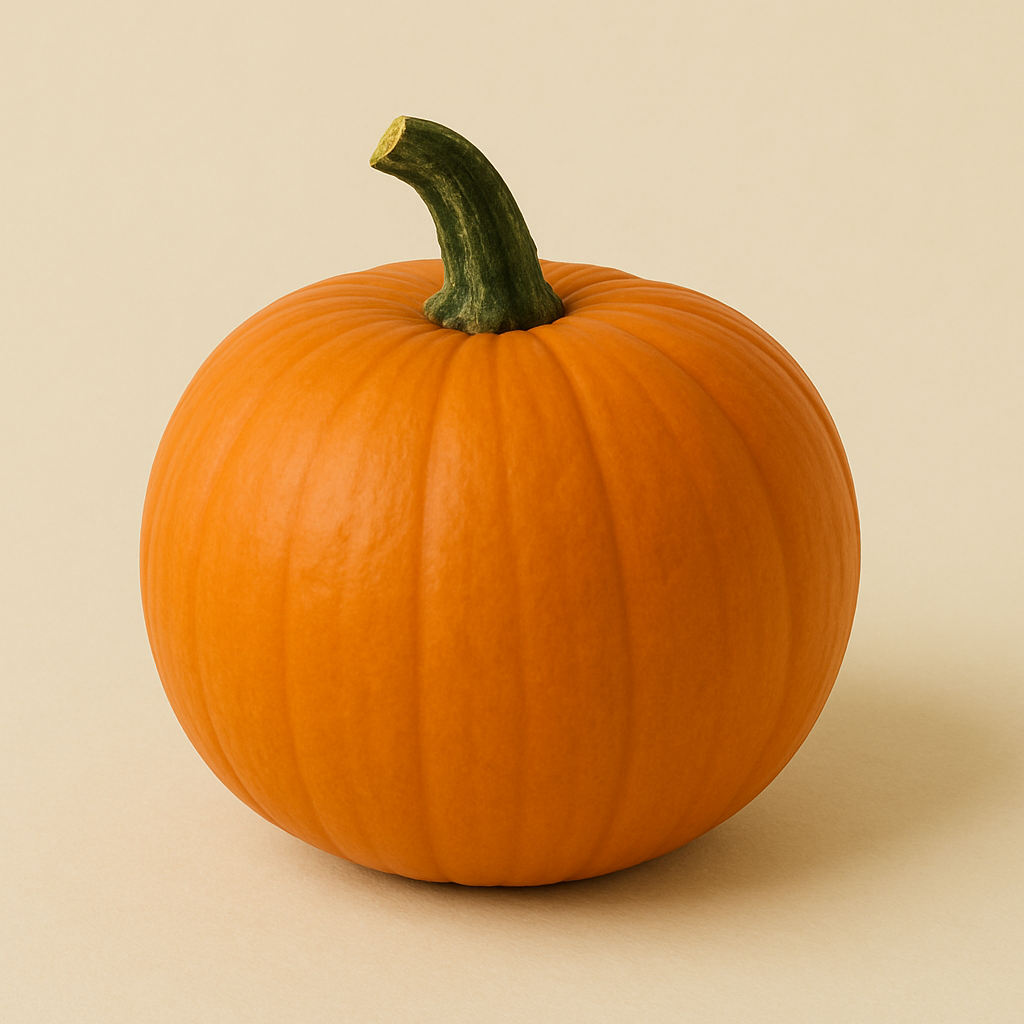
Pie Pumpkin
Cucurbita pepo
Family: Cucurbitaceae
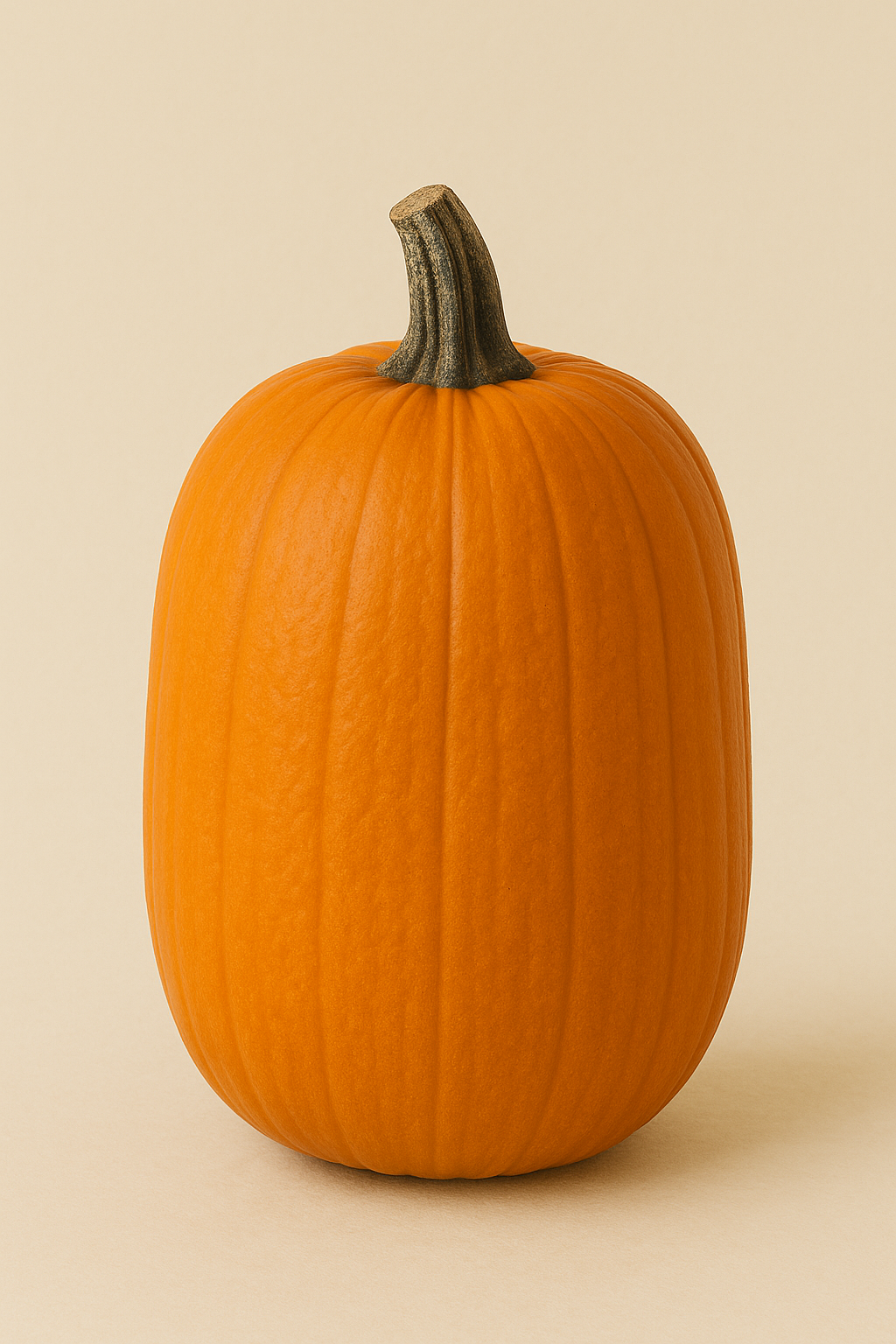
Pie pumpkins are smaller, sweeter pumpkins specifically bred for culinary use. Unlike carving pumpkins, their dense, smooth flesh is perfect for pies, soups, and baking. These compact plants produce multiple fruits ideal for homemade pumpkin puree.
Days to Harvest
90-110 days
Sun Needs
Full Sun (8+ hours)
high
Germination Temp
85°F optimal
Start Indoors
3 weeks before last frost
Germination
5-10 days
Seed Depth
1 inch
Light to Germinate
No
💡 Tip: Direct sow when soil is warm. Start indoors only in short-season areas.
Soil Type
Rich, well-draining soil with plenty of organic matter
pH Range
6 - 6.8
Spacing
5-6 feet between plants, more compact than carving pumpkins
⚠️ Avoid planting near:
History
Pie pumpkins represent the original culinary purpose of American pumpkins—small, sweet-fleshed fruits grown specifically for eating rather than decoration. While Native Americans cultivated pumpkins for millennia, the distinction between "pie" and "carving" varieties developed after European colonization, as gardeners selected for different traits. The New England Pie Pumpkin, documented as early as 1863 in American seed catalogs, became the gold standard for baking—its dense, fine-grained, non-stringy flesh producing smooth, sweet purees without the watery quality of larger field pumpkins. Interestingly, what most Americans know as "canned pumpkin" is actually made from Dickinson squash—a Cucurbita moschata variety more closely related to butternut squash, grown commercially by Libby's since 1929. This commercial reality has caused confusion, but home gardeners growing true pie pumpkins like Sugar Pie, New England Pie, or Long Island Cheese discover flavors superior to anything canned. The Long Island Cheese pumpkin, named for its resemblance to a wheel of cheese, has been grown since at least the 1800s and was the pumpkin most commonly used in early American cooking. These compact 4-8 pound fruits yield approximately 2-3 cups of puree each, perfect for a single pie. The resurgence of interest in heritage foods has brought renewed attention to pie pumpkins, with farmers' markets now featuring multiple varieties each fall. Making pumpkin puree from scratch requires simply roasting, scooping, and pureeing—a simple process that yields results far superior to commercial canned products.
Nutritional Benefits
- ✓Very high in Vitamin A
- ✓Excellent source of fiber
- ✓Rich in Vitamin C
Optimal Growing Temp
65°F - 85°F
Pie pumpkins thrive in warm temperatures between 65-85°F. Growth slows below 60°F. Needs long, warm season (90-110 days).
Survival Range
50°F - 95°F
Can survive these temperatures
Frost Note: Killed by any frost. Plant only after all danger of frost has passed and soil has warmed to 65°F.
Best USDA Zones
Humidity
50-70%
Moderate humidity ideal. Good air circulation reduces powdery mildew and other fungal diseases.
Height
12-18 inches (sprawling vine)
Spread
10-15 feet
Growth Habit
vine
Germination
5-10 days
Seed coat splits, cotyledons emerge and unfold. Fastest in warm soil (85°F).
Seedling Stage
Duration: 2-3 weeks
True leaves: First true leaves are rounded with scalloped edges, developing after cotyledons
Transplant ready: Ready to transplant when 2-3 true leaves developed and roots fill cell
Vegetative Growth
Duration: 4-6 weeks
Vines extend rapidly, large lobed leaves develop, plant establishes extensive root system.
Flowering
Timing: 6-8 weeks after planting
Duration: 4-6 weeks
Requires bee pollination; male flowers appear first, female flowers have small fruit at base
Fruit Development
Begins: 8-10 weeks after planting
Duration: 6-8 weeks to maturity
Fruit swells rapidly, skin hardens, color deepens to rich orange
Harvest Maturity
Timing: 90-110 days from seed
- Deep, uniform orange color
- Hard rind that resists fingernail
- Dry, corky stem
- Hollow sound when tapped
Per Plant
2-5 pie pumpkins (4-8 lbs each)
Per Square Foot
2-4 pumpkins per 15 square feet of vine
Harvest Frequency
Single harvest in fall
Factors Affecting Yield
- •Pollination success
- •Water consistency
- •Soil fertility
- •Growing season length
Seedling Stage
Keep consistently moist, water daily if needed
Established Plants
1-2 inches per week, deep watering preferred
During Fruiting
Maintain consistent moisture; reduce slightly as fruit matures
Preferred Method
Drip irrigation or soaker hose at soil level
⚠️ Critical Watering Periods
- • Flowering
- • Fruit development
Pro Tips
- Water at base of plant, not on foliage
- Morning watering allows leaves to dry before evening
- Mulch heavily to retain moisture
- Inconsistent watering causes misshapen fruit
- Reduce watering 1-2 weeks before harvest to concentrate sugars
Feeding Schedule
Pre-planting
Compost and balanced organic fertilizer
Once at soil preparation
Vine development
Balanced fertilizer (10-10-10)
Every 2-3 weeks
Flowering/Fruiting
Low-nitrogen, high-phosphorus fertilizer
Every 2-3 weeks
Organic Options
Side-dress with compost when vines begin to run. Reduce nitrogen once flowering begins.
Minimum Size
15 gallon minimum
Recommended Size
20+ gallons for best results
Depth Required
At least 12 inches deep
Container Tips
- Choose compact or bush varieties when available
- Allow vines to trail over edges or grow on trellis
- Water more frequently than in-ground plants
- Limit to 1-2 fruits per container plant
- Use support slings for developing fruit if vining vertically
Support Type
A-frame or sturdy vertical trellis, 6-8 feet tall
Height Needed
6-8 feet
When to Install
Install at planting time before vines develop
Method
Train main vine up trellis. Use fabric slings to support developing pumpkins (5+ lbs each). Allow secondary vines to trail.
Tips
- Saves garden space and improves air circulation
- Use fabric slings to support developing pumpkins
- Ensure trellis can support 15-20 lbs total fruit weight
- Train main vine up, allow secondaries to trail
Why Prune
When
After fruit set, when 2-3 pumpkins are developing
Technique
Pinch off vine tips beyond developing fruit. Limit to 2-3 fruits per vine for larger pumpkins.
Remove
- ✗ Excess developing fruit
- ✗ Secondary vines if space limited
- ✗ Vine tips after adequate fruit set
Keep
- ✓ Main vine
- ✓ Selected fruits
- ✓ Plenty of foliage for photosynthesis