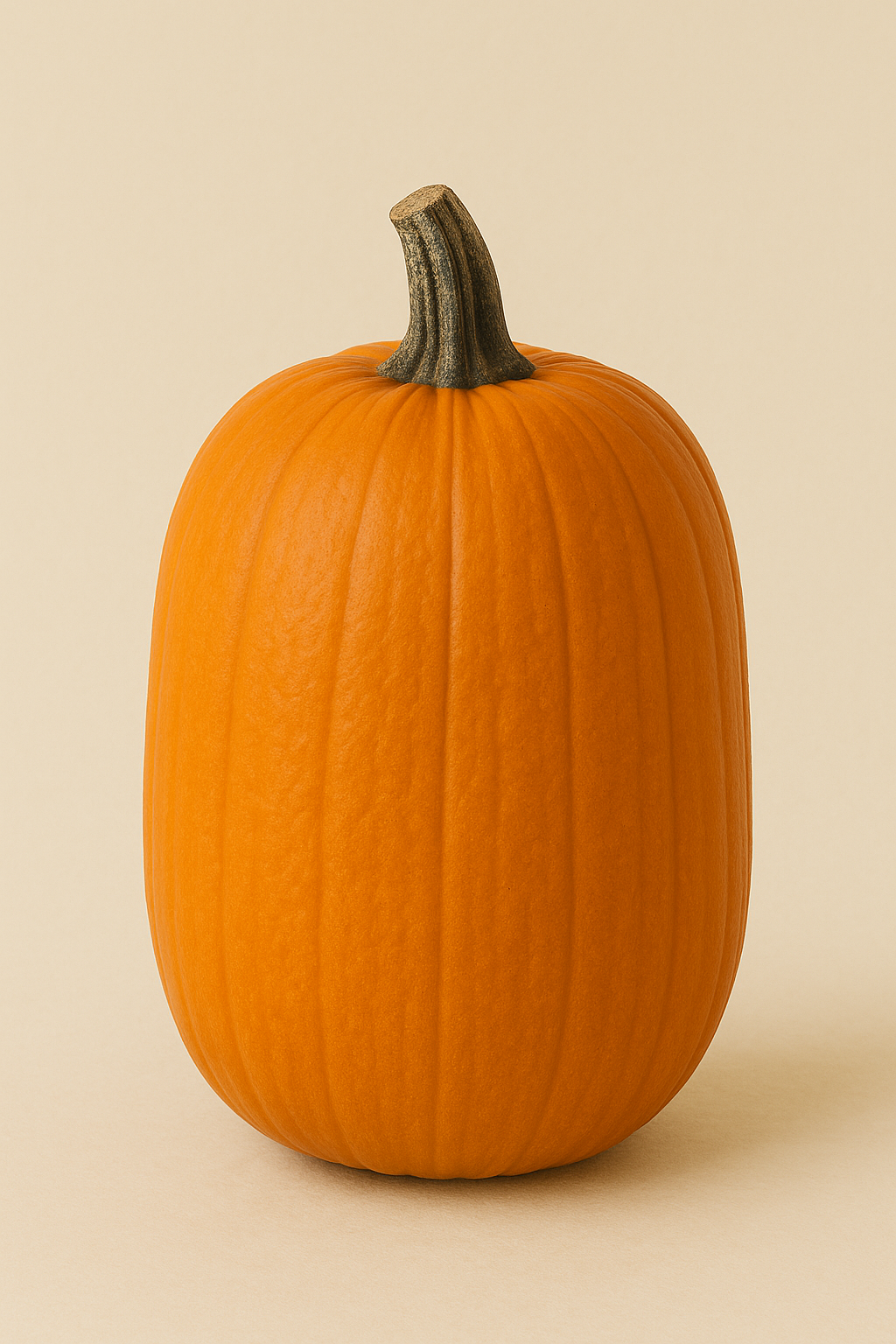
Pumpkin
Cucurbita pepo / Cucurbita maxima
Family: Cucurbitaceae
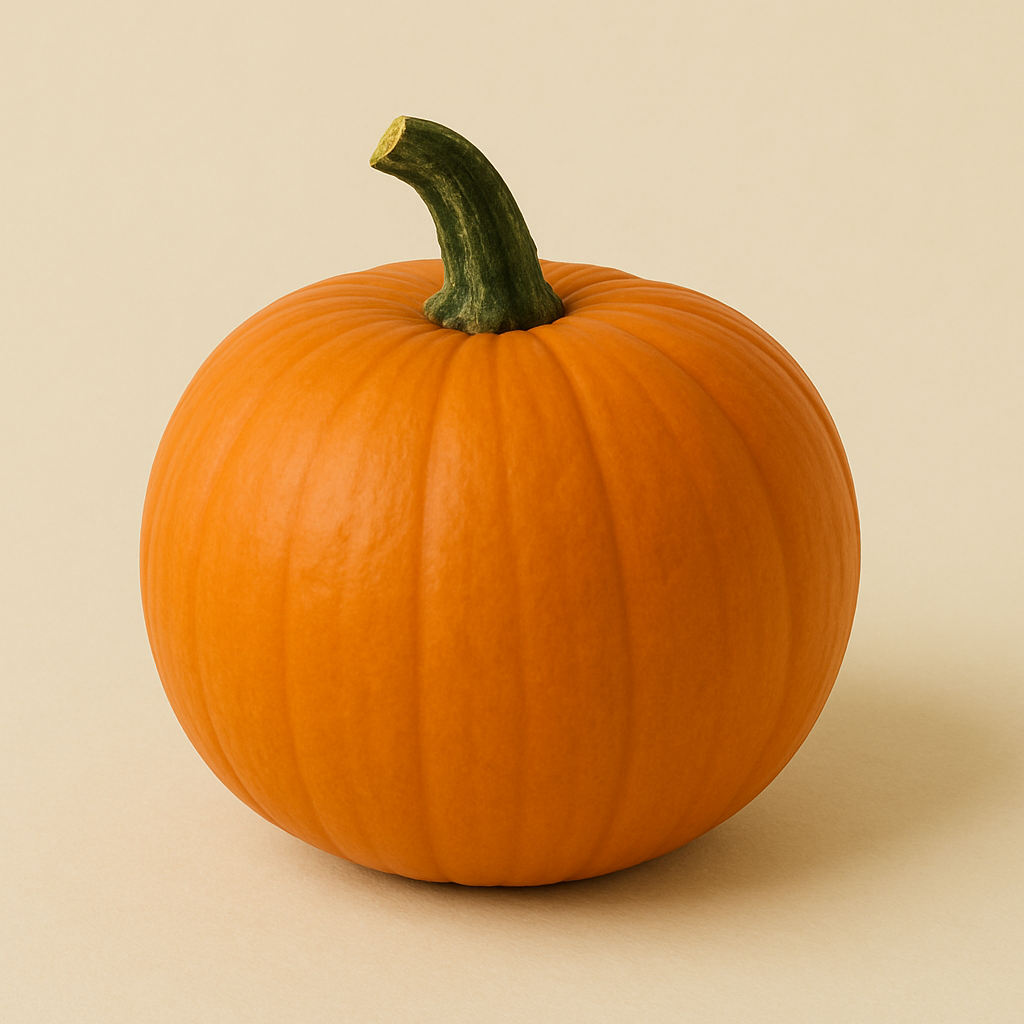
Pumpkins are the iconic fall harvest, perfect for carving, pies, and decoration. From small pie pumpkins to giant competition varieties, there's a pumpkin for every garden. These sprawling vines need space but reward with the quintessential autumn harvest.
Days to Harvest
90-120 days
Sun Needs
Full Sun (8+ hours)
high
Germination Temp
85°F optimal
Start Indoors
3 weeks before last frost
Germination
5-10 days
Seed Depth
1 inch
Light to Germinate
No
💡 Tip: Count back from desired harvest date (Halloween, Thanksgiving) to determine planting time. Direct sowing is preferred for best results.
Soil Type
Rich, well-draining soil with plenty of organic matter
pH Range
6 - 6.8
Spacing
4-8 feet between plants, 8-12 feet between rows for large varieties
⚠️ Avoid planting near:
History
Pumpkins hold the distinction of being among the oldest domesticated plants in the Western Hemisphere, with archaeological evidence of cultivation in Mexico's Oaxaca Valley dating back 7,500-10,000 years—predating the domestication of corn and beans. For Native American peoples, pumpkins were invaluable: the flesh provided food, dried strips served as storage provisions for winter, seeds offered protein and oil, and the dried shells became containers, bowls, and even musical instruments. The word "pumpkin" derives from the Greek "pepon" (large melon), which became the French "pompon," then the English "pumpion," and finally the American "pumpkin." Early colonists adopted pumpkins enthusiastically; they appeared at the first Thanksgiving and quickly became associated with harvest festivals. The jack-o'-lantern tradition came from Irish immigrants who originally carved turnips for Halloween, switching to the larger, easier-to-carve pumpkins abundant in America. The story of Stingy Jack, who was doomed to wander with only a carved turnip lit by a coal from hell, merged with American pumpkin abundance to create our Halloween tradition. Pumpkin pie became a Thanksgiving staple by the early 1800s, though early colonial recipes differed dramatically—some versions were essentially stewed pumpkin with spices in a hollowed-out shell. The giant pumpkin competition culture emerged in the 20th century, with Atlantic Giant varieties now routinely exceeding 2,000 pounds. Today, pumpkins generate over $600 million annually in the United States, though ironically the "pumpkin" in most canned pumpkin pie filling is actually Dickinson squash—a tan-skinned Cucurbita moschata variety more closely related to butternut.
Nutritional Benefits
- ✓High in Vitamin A (beta-carotene)
- ✓Good source of Vitamin C
- ✓Contains fiber
Optimal Growing Temp
70°F - 90°F
Pumpkins love heat. Best growth between 70-90°F. Frost kills vines instantly. Need long warm season (90-120 days).
Survival Range
50°F - 100°F
Can survive these temperatures
Best USDA Zones
Humidity
50-70%
Moderate humidity ideal. High humidity increases powdery mildew. Good air circulation essential.
Height
12-24 inches (sprawling vine)
Spread
10-20 feet (can be enormous)
Growth Habit
vine
Germination
5-10 days
Large cotyledons emerge forcefully. Fastest in warm soil (85°F). Keep moist but not waterlogged.
Seedling Stage
Duration: 2-3 weeks
True leaves: First true leaves appear 7-10 days after germination with rough, lobed appearance
Transplant ready: Ready when 2-3 true leaves develop. Direct sowing preferred—pumpkins dislike transplanting.
Vegetative Growth
Duration: 4-6 weeks
Explosive vine growth. Vines can grow 6-12 inches per day in ideal conditions. Huge leaves develop.
Flowering
Timing: 6-8 weeks after planting
Duration: 2-4 weeks of active flowering
Male flowers open first (thin stems), female flowers follow (with tiny pumpkin at base). Heavy bee activity required.
Fruit Development
Begins: 8-10 weeks after planting
Duration: 6-10 weeks of development
Pumpkins grow slowly for weeks, then size increases rapidly. Color change signals maturity.
Harvest Maturity
Timing: 90-120 days from seed
- Deep, solid color for variety
- Hard rind resists fingernail
- Stem begins to dry
- Hollow sound when tapped
Per Plant
2-5 pumpkins per vine (varies by variety)
Per Square Foot
1-3 pumpkins per 25 square feet of vine
Harvest Frequency
Single harvest in fall
Factors Affecting Yield
- •Variety determines size and count (giant types produce fewer, pie types produce more)
- •Pollination is critical—each pumpkin needs many bee visits
- •Limiting fruits increases individual size
- •Water and fertility must be consistent
Seedling Stage
Keep soil consistently moist
Established Plants
1-2 inches per week through deep watering
During Fruiting
Consistent watering during fruit development. Reduce slightly as pumpkins mature.
Preferred Method
Drip irrigation or soaker hose at base. Avoid wetting leaves to prevent powdery mildew.
⚠️ Critical Watering Periods
- • Flowering
- • Initial fruit set
- • Rapid sizing phase
Pro Tips
- PRO TIP: Place straw or cardboard under developing pumpkins to prevent rot from ground contact
- Mulch heavily to retain moisture
- Reduce watering as pumpkins approach maturity
- Morning watering reduces disease
Feeding Schedule
At Planting
Rich compost and balanced fertilizer
Once
Vines Begin to Run
Side-dress with compost
Once
First Flowers
Switch to 5-10-10
Every 2-3 weeks
Fruit Development
Continue lower nitrogen feeding
Every 2-3 weeks
Organic Options
Heavy compost at planting. Side-dress when vines run. Foliar feed during fruiting.
Minimum Size
Not recommended for containers
Recommended Size
Grow in ground—vines need room to run
Depth Required
N/A
Container Tips
- Pumpkins are not suitable for container growing
- Vines spread 10-20+ feet
- Miniature varieties may work in very large containers but still challenging
- Consider bush varieties of other squash for containers
Support Type
Very sturdy structure if attempted
Height Needed
8-10 feet
When to Install
Must be installed before vines develop
Method
Requires extremely sturdy support. Each pumpkin needs hammock/sling support. Generally impractical.
Tips
- Ground growing is standard for pumpkins
- Only miniature varieties practical for trellising
- Large pumpkins too heavy for most supports
- Use cardboard or straw under fruits on ground to prevent rot
Why Prune
When
After fruits set
Technique
For larger pumpkins, limit vines to 2-3 fruits. Pinch vine tips after desired fruits set.
Remove
- ✗ Vine tips after fruits set (optional)
- ✗ Secondary runners if space limited
- ✗ Damaged or diseased leaves
Keep
- ✓ Main vine
- ✓ Developing pumpkins
- ✓ Foliage for photosynthesis