German Chamomile
Matricaria chamomilla
Family: Asteraceae
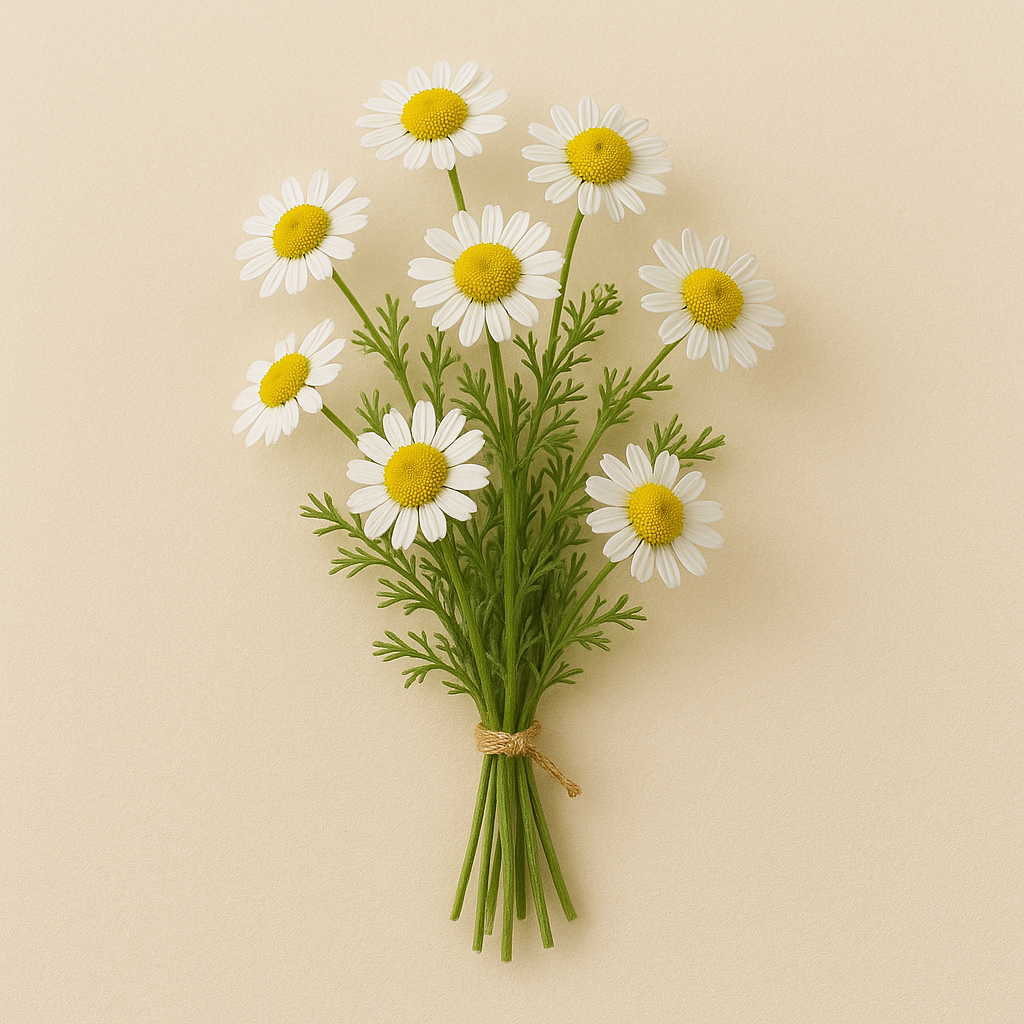
German chamomile is a beloved herb grown for its apple-scented daisy-like flowers used to make soothing tea. This annual herb is easy to grow and will often self-seed for years to come.
Days to Harvest
55-70 days
Sun Needs
Full Sun to Part Shade (4-6+ hours)
low
Germination Temp
65°F optimal
Start Indoors
6 weeks before last frost
Germination
7-14 days
Seed Depth
Surface sow
Light to Germinate
Yes
💡 Tip: Needs light to germinate. Press seeds into surface, do not cover.
Soil Type
Well-draining, average soil
pH Range
5.6 - 7.5
Spacing
8-12 inches between plants
⚠️ Avoid planting near:
History
Chamomile is among the most ancient medicinal herbs known to humanity, with documented use spanning over 5,000 years across multiple civilizations. The ancient Egyptians dedicated chamomile to their sun god Ra and used it in embalming rituals, while Hippocrates, the father of Western medicine, prescribed chamomile tea for fevers and inflammation around 400 BCE. The name derives from the Greek "chamaimelon" meaning "earth apple" or "ground apple," referring to the plant's sweet, apple-like fragrance when crushed underfoot. In medieval Europe, chamomile became one of the nine sacred herbs mentioned in the Anglo-Saxon "Nine Herbs Charm," believed to have been given to the world by the god Woden. The herb's reputation as a gentle sedative and digestive aid has remained remarkably consistent across millennia and cultures. German chamomile (Matricaria chamomilla), an annual, is distinguished from Roman chamomile (Chamaemelum nobile), a perennial groundcover—both produce similar flowers and share medicinal properties, but German chamomile is preferred for tea production due to higher essential oil content. Peter Rabbit's mother famously gave him chamomile tea after his adventure in Mr. McGregor's garden, cementing the herb's place in popular culture as a symbol of gentle, maternal care.
Nutritional Benefits
- ✓Contains calming compounds (apigenin)
- ✓Anti-inflammatory properties
- ✓Supports digestive health
Optimal Growing Temp
60°F - 70°F
German chamomile prefers cool conditions, growing best at 60-70°F. Tolerates light frost. Hot weather causes rapid bolting.
Survival Range
35°F - 85°F
Can survive these temperatures
Frost Note: Hardy to light frost. Established plants survive brief dips to 30°F. Often self-seeds through winter for spring germination.
Best USDA Zones
Humidity
40-60%
Moderate humidity preferred. Good air circulation prevents fungal issues on dense foliage.
Height
18-24 inches
Spread
8-12 inches
Growth Habit
upright
Germination
7-14 days
Tiny seeds germinate at 55-68°F. Press into soil surface—seeds need light to germinate. Very fine seedlings emerge.
Seedling Stage
Duration: 3-4 weeks
True leaves: First true leaves are feathery and fern-like with distinctive apple scent.
Transplant ready: Ready to transplant when 2-3 inches tall. Handle carefully—delicate roots.
Vegetative Growth
Duration: 4-6 weeks
Develops feathery, finely-divided foliage with characteristic apple fragrance when crushed.
Flowering
Timing: 6-8 weeks after sowing
Duration: 6-8 weeks of continuous blooming
Self-pollinating. Daisy-like flowers with white petals and yellow centers attract beneficial insects.
Harvest Maturity
Timing: 60-90 days from seed
- Flowers fully open with white petals reflexed back
- Yellow center is cone-shaped and hollow when cut
- Strong apple fragrance from flowers
- Flowers ready to harvest when fully open
Per Plant
50-100 flower heads per plant
Per Square Foot
100-200 flower heads per square foot
Harvest Frequency
Every 2-3 days during peak bloom
Factors Affecting Yield
- •Regular harvesting encourages more flowers
- •Cool temperatures extend bloom period
- •Adequate spacing promotes healthy plants
- •Self-seeding provides continuous supply
Seedling Stage
Keep consistently moist—fine seeds dry out quickly
Established Plants
Water when top inch of soil dries
During Fruiting
Moderate water during flowering
Preferred Method
Gentle watering to avoid disturbing fine seeds and seedlings. Drip irrigation ideal once established.
Pro Tips
- Drought-tolerant once established
- Avoid overhead watering when possible
- Morning watering preferred
- Mulch lightly to retain moisture
Feeding Schedule
At Planting
Light compost
Once
Organic Options
Work light compost into soil before planting. Generally does not need additional fertilizer.
Minimum Size
8 inch pot
Recommended Size
12 inch pot or window box
Depth Required
At least 6 inches
Best Varieties for Containers
Container Tips
- Excellent for containers and window boxes
- Plant 3-4 plants per 12-inch pot
- Well-draining potting mix essential
- Full sun to part shade
- Allow to self-seed for perennial effect
Plant Every
Every 2-3 weeks
Sowings/Season
3-4 sowings
Duration
Spring through early summer
Tips
- Allow plants to self-seed for natural succession
- Fall planting provides spring crop
- Spring plantings provide summer harvest
- Continuous harvest extends bloom period