Peppermint
Mentha × piperita
Family: Lamiaceae
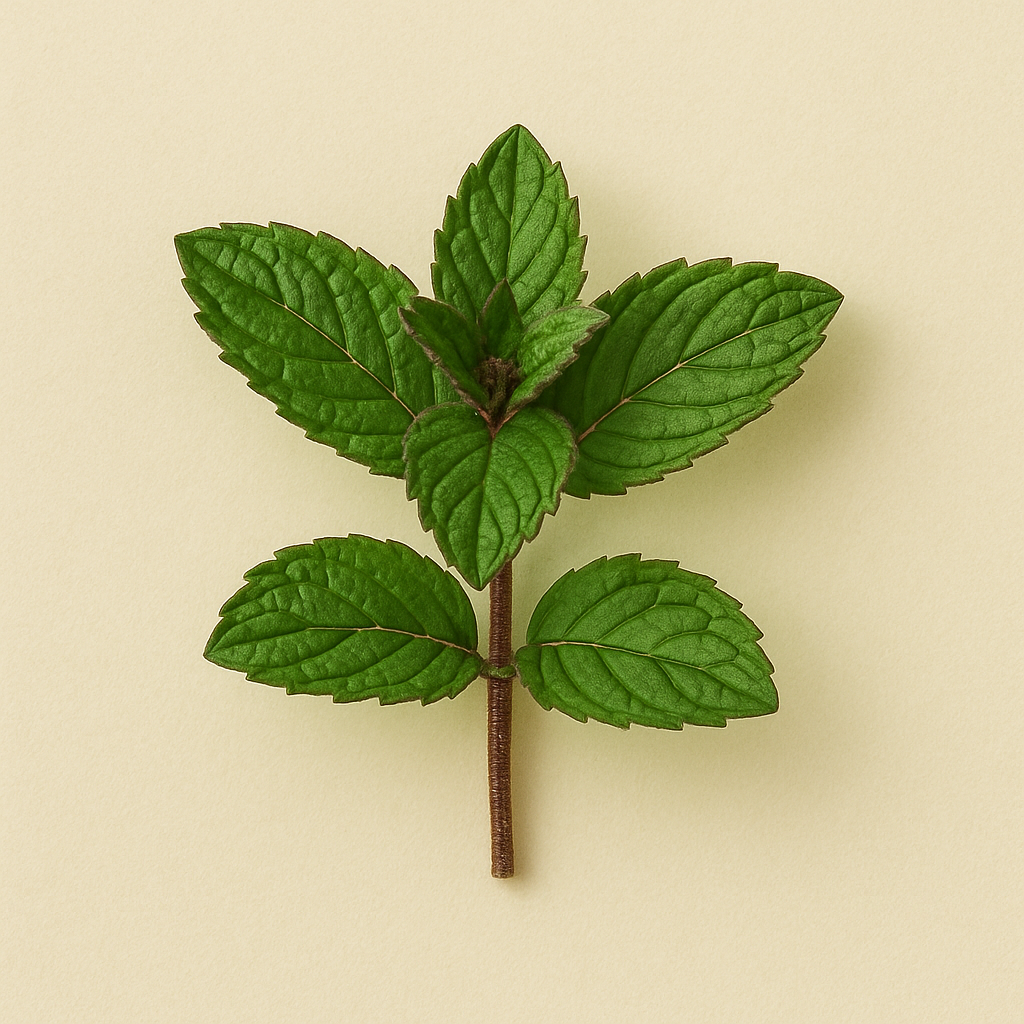
Peppermint is a vigorous hybrid mint with a high menthol content, giving it a cooling, intense flavor. It is the most popular mint for tea and medicinal use.
Days to Harvest
85-100 days
Sun Needs
Part Shade to Full Sun (4-6+ hours)
high
Germination Temp
70°F optimal
Start Indoors
0 weeks before last frost
Germination
10-15 days
Seed Depth
Surface sow
Light to Germinate
Yes
💡 Tip: Peppermint is a sterile hybrid - grow from cuttings or divisions, not seed.
Soil Type
Rich, moist soil
pH Range
6 - 7.5
Spacing
18-24 inches - or contain in pots
⚠️ Avoid planting near:
History
Peppermint (Mentha × piperita) is a naturally occurring sterile hybrid between watermint (Mentha aquatica) and spearmint (Mentha spicata), though its cultivation as a distinct variety began in England around 1750 when it was first grown commercially in the village of Mitcham, Surrey—an area that became so famous for peppermint that "Mitcham Mint" remains a byword for quality. The hybrid had likely existed for millennia wherever the parent species grew together, but English cultivators were the first to recognize its superior menthol content and propagate it deliberately. Peppermint's high menthol concentration (40-50% of its essential oil) creates the distinctive cooling sensation that made it immediately popular for digestive complaints and headache relief. By the 19th century, commercial peppermint cultivation had spread to the United States, with the Pacific Northwest and Michigan becoming major production centers. The plant's sterility means it produces no viable seeds—all peppermint must be propagated vegetatively from runners or cuttings, which has the benefit of maintaining genetic consistency but also means it cannot spread by seed like other mints. Peppermint's aggressive spreading habit through underground runners has made it notorious among gardeners; the saying goes that there are two kinds of mint growers: those who contain their mint, and those who've given up.
Nutritional Benefits
- ✓High menthol content
- ✓Aids digestion
- ✓May relieve headaches
Optimal Growing Temp
65°F - 75°F
Peppermint prefers cool to moderate temperatures. Thrives in spring and fall. Tolerates summer heat if given adequate water and afternoon shade. Growth slows in extreme heat.
Survival Range
35°F - 85°F
Can survive these temperatures
Frost Note: Very cold hardy, surviving to -30°F (zone 4) once established. Dies back to ground in winter but regrows vigorously from roots in spring. Protect first-year plants in coldest zones.
Best USDA Zones
Humidity
50-70%
Prefers moderate to high humidity. Tolerates dry conditions if watered regularly. Excellent air circulation important to prevent fungal diseases.
Height
18-24 inches
Spread
24+ inches (spreads aggressively)
Growth Habit
spreading
Germination
12-16 days
Peppermint rarely grows true from seed (sterile hybrid). Best propagated from cuttings, divisions, or purchased plants.
Seedling Stage
Duration: N/A—typically not grown from seed
True leaves: If grown from seed, results vary. Easier to start from cuttings or divisions.
Transplant ready: Cuttings root in 7-14 days and can be planted immediately.
Vegetative Growth
Duration: Continuous during growing season
Rapid spreading growth via underground rhizomes. Sends up new shoots from spreading roots. Harvest leaves continuously. Pinch flowering stems to encourage leaf production.
Flowering
Timing: Mid to late summer
Duration: 3-4 weeks
Small purple flower spikes attractive to bees. Peppermint is sterile hybrid—seeds are not viable.
Harvest Maturity
Timing: 60-90 days from planting for full production
- Dense mat of stems
- Vigorous spreading
- Continuous new growth from rhizomes
Per Plant
Abundant harvest—one plant can produce several pounds of fresh leaves per season as it spreads.
Per Square Foot
1 plant (will fill square and beyond rapidly). Containment essential.
Harvest Frequency
Harvest continuously throughout growing season. Cut stems weekly during peak growth.
Factors Affecting Yield
- •Spreading habit provides abundant harvest
- •Cool weather produces best flavor
- •Regular harvesting encourages bushier growth
- •Age—older established patches most productive
Seedling Stage
Keep soil consistently moist for cuttings and young plants establishing roots.
Established Plants
Water frequently—mint loves moisture. Keep soil consistently moist, not soggy. Water every 2-3 days, more in hot weather.
During Fruiting
Maintain consistent moisture during flowering if you want flowers. Reduce slightly if preventing flowering for leaf production.
Preferred Method
Water at soil level or overhead—mint tolerates wet foliage better than Mediterranean herbs. Drip irrigation works well for consistent moisture.
Pro Tips
- Mint needs more water than most herbs—never let it dry out completely
- Prefers consistently moist soil (loves stream banks and wet areas)
- Mulch to retain moisture and keep roots cool
- In containers, may need daily watering in summer heat
- Morning watering allows foliage to dry before evening, reducing disease
Feeding Schedule
Planting
Compost mixed into soil
Once at planting
Active growth
Balanced liquid fertilizer
Every 4-6 weeks during growing season
Container plants
Liquid fertilizer
Every 3-4 weeks (containers need more)
Organic Options
Side-dress with compost in spring or apply diluted liquid fertilizer monthly. Mint appreciates regular feeding and rich soil unlike Mediterranean herbs.
Minimum Size
12 inch pot
Recommended Size
14-18 inch pot
Depth Required
At least 10-12 inches deep
Best Varieties for Containers
Container Tips
- HIGHLY recommended for containers—prevents aggressive spreading
- Container growing is easiest way to control mint
- Repot or divide annually as roots fill container quickly
- Can sink containers in ground to contain while allowing drainage
- Bring containers indoors for winter harvest
- Large containers (18+ inches) allow vigorous growth without constant repotting