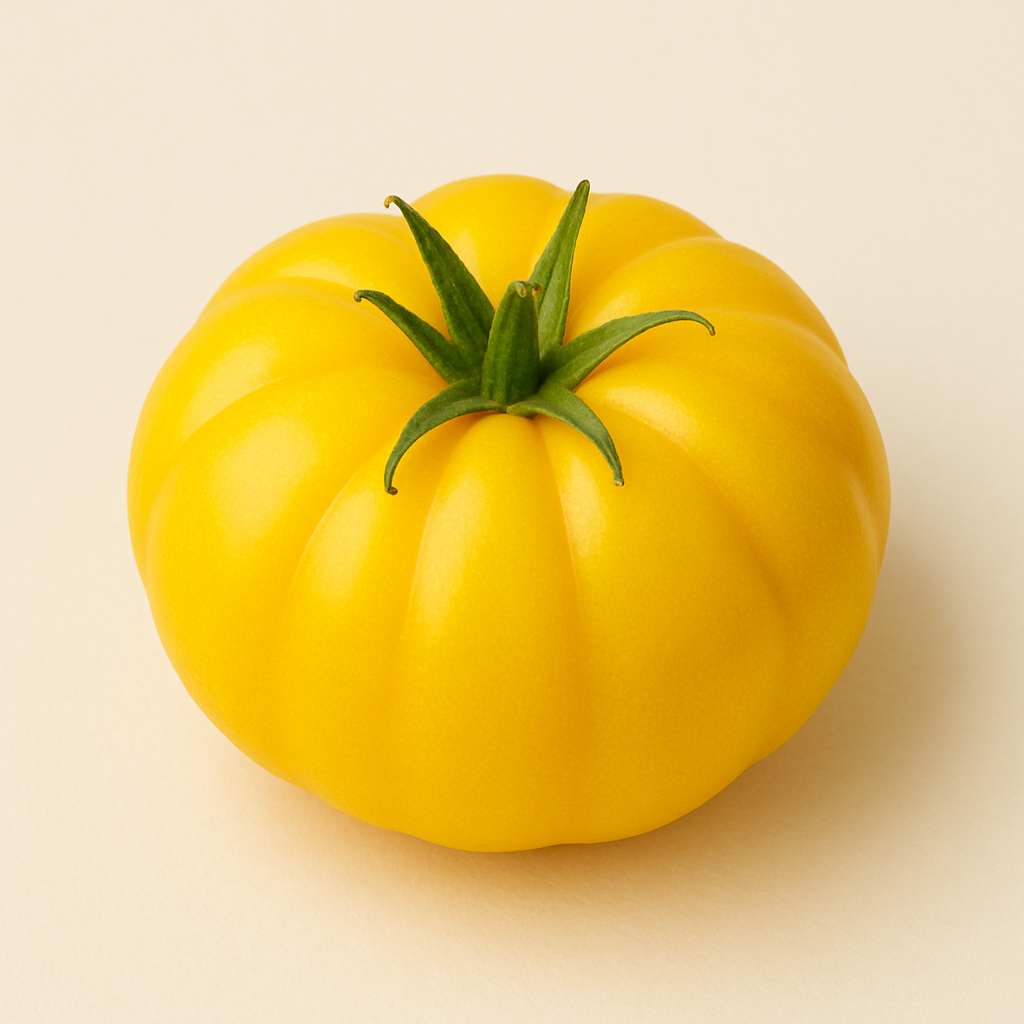
Brandywine Tomato
Solanum lycopersicum
Family: Solanaceae
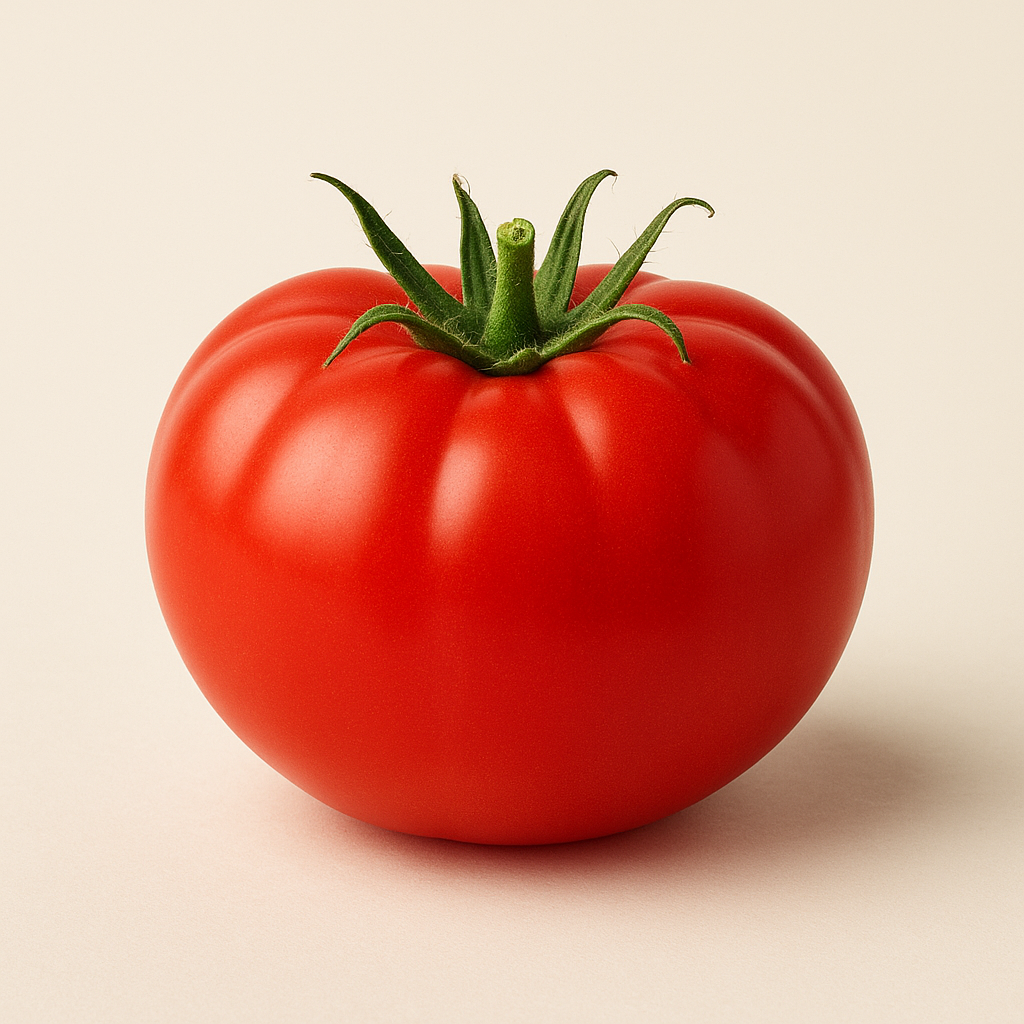
Brandywine is the most famous heirloom tomato, beloved for its exceptional rich, complex flavor. These large pink beefsteak tomatoes are worth the wait and the extra care they require.
Days to Harvest
85-95 days
Sun Needs
Full Sun (6-8+ hours)
moderate
Germination Temp
75°F optimal
Start Indoors
8 weeks before last frost
Germination
7-14 days
Seed Depth
1/4 inch
Light to Germinate
No
Soil Type
Rich, fertile, well-draining soil
pH Range
6 - 6.8
Spacing
36 inches between plants
⚠️ Avoid planting near:
History
The Brandywine tomato has become the gold standard against which all heirloom tomatoes are measured, and its documented history stretches back to 1885 when it was first listed in the seed catalog of Johnson & Stokes of Philadelphia. The variety is believed to have originated with Amish farmers in Chester County, Pennsylvania, who named it after the Brandywine Creek that runs through the region. For nearly a century, Brandywine remained a regional treasure, passed down through generations of Pennsylvania Dutch families and small-scale seed savers who recognized its exceptional flavor. The variety nearly disappeared in the mid-20th century as commercial agriculture favored disease-resistant hybrids with longer shelf life over taste. Brandywine's rescue and subsequent fame is largely credited to seed saver Ben Quisenberry of Big Tomato Gardens in Ohio, who in the 1980s obtained seeds from Dorris Sudduth Hill, whose family had maintained the variety since the 1900s—hence the variety is sometimes called "Sudduth's Brandywine." The tomato's distinctive potato-leaf foliage (rather than the typical serrated tomato leaf) became a hallmark of authenticity. When the heirloom tomato movement exploded in the 1990s, Brandywine became its poster child, appearing in seed catalogs, farmers markets, and eventually upscale restaurants that celebrated its unparalleled taste.
Nutritional Benefits
- ✓High in lycopene
- ✓Excellent source of Vitamin C
- ✓Contains potassium
Optimal Growing Temp
70°F - 85°F
Brandywine thrives at 70-85°F but is less heat-tolerant than modern hybrids. Fruit set suffers when nights exceed 75°F or days exceed 90°F. This heirloom performs best in moderate climates.
Survival Range
55°F - 90°F
Can survive these temperatures
Frost Note: Highly frost-sensitive. Protect from cold temperatures below 50°F. Brandywine is slower to mature than modern varieties, so start early indoors.
Best USDA Zones
Humidity
40-60%
Moderate humidity preferred. Brandywine's potato-leaf foliage can trap moisture, increasing disease risk in humid climates.
Height
6-9 feet
Spread
2-3 feet
Growth Habit
indeterminate
Germination
7-14 days
Brandywine seeds may germinate slower and less uniformly than hybrid varieties. Maintain 75-85°F soil temperature for best results.
Seedling Stage
Duration: 5-6 weeks
True leaves: First true leaves show characteristic potato-leaf shape—broad, smooth edges unlike typical tomato foliage
Transplant ready: Ready when 6-8 inches tall with sturdy stem. Brandywine seedlings benefit from longer indoor growing period.
Vegetative Growth
Duration: 5-7 weeks after transplant
Vigorous growth phase. The distinctive potato-leaf foliage develops. Plants grow tall and require early staking. Larger leaves can make airflow a concern.
Flowering
Timing: 7-9 weeks after transplant
Duration: Continuous throughout season
Self-pollinating but can benefit from gentle shaking. Large flowers are attractive but can struggle in extreme heat.
Fruit Development
Begins: 4-6 weeks after flowering
Duration: Continuous until frost
Large fruits develop slowly—don't rush harvest. Allow 6-8 weeks from pollination to ripe fruit. First fruits often have characteristic cracks (cosmetic only).
Harvest Maturity
Timing: 80-100 days from transplant
- Deep pink color throughout
- Large size (1-2 pounds common)
- Slight softness when gently pressed
- Strong, sweet tomato aroma
- Some natural cracking near stem is normal
Per Plant
8-15 lbs per plant
Per Square Foot
3-6 lbs per square foot
Harvest Frequency
Every 4-7 days during production
Factors Affecting Yield
- •Lower yields than modern hybrids but exceptional flavor compensation
- •Heat stress significantly reduces fruit set
- •Consistent watering prevents cracking that reduces harvestable fruit
- •Disease management critical for sustained production
- •Proper pruning directs energy to fruit production
Seedling Stage
Keep consistently moist
Established Plants
1-2 inches per week, deep and consistent
During Fruiting
Consistent moisture absolutely critical—Brandywine is famous for cracking
Preferred Method
Drip irrigation strongly recommended. Water at base only. Mulch heavily to maintain soil moisture.
⚠️ Critical Watering Periods
- • Flowering through harvest—entire fruit development
Pro Tips
- CRITICAL: Brandywine cracks easily—maintain consistent soil moisture
- Heavy mulching (4+ inches) helps prevent moisture fluctuations
- Never let plants wilt then flood with water
- Slightly reduce water during final ripening for better flavor
Feeding Schedule
At Planting
Compost + balanced organic fertilizer + calcium source
Once
First Flowers
Side-dress with compost
Once
Fruit Development
5-10-10 or tomato formula
Every 2-3 weeks
Organic Options
Brandywine thrives with generous compost applications. Side-dress with compost monthly. Fish emulsion biweekly during growth.
Minimum Size
15 gallon minimum
Recommended Size
20+ gallon for best results
Depth Required
At least 18-24 inches deep
Best Varieties for Containers
Container Tips
- Brandywine can grow in containers but needs exceptionally large pots
- Heavy fruit requires very sturdy support system
- Expect lower yields in containers than in-ground
- Daily watering likely required in summer
- Rich potting mix with added compost essential
Support Type
Heavy-duty cage (6ft+), sturdy stake, or trellis system
Height Needed
7-8 feet tall minimum
When to Install
Install at transplanting—these plants grow tall quickly
Method
Single-stem training produces fewer but larger fruits. Cage growing allows 2-3 stems with good fruit production. Heavy fruit clusters may need individual support slings.
Tips
- PRO TIP: Use concrete reinforcing wire cages—standard cages are too small
- Plants can exceed 9 feet—plan support height accordingly
- Heavy fruits (1-2 lbs each) need robust support to prevent breakage
- Tie plants frequently as they grow—Brandywine vines are heavy
- Consider A-frame or overhead trellis systems for maximum support
Why Prune
When
Begin when plants are 12-18 inches, continue throughout season
How Often
Check and prune weekly
Technique
Remove suckers below first flower cluster. For larger fruits, remove more suckers and limit to 1-2 main stems. For more fruits, allow 3-4 stems.
Remove
- ✗ All suckers below first flower cluster
- ✗ Lower leaves as plant grows (especially touching soil)
- ✗ Excessive suckers above first cluster (keep 2-4 maximum)
- ✗ Yellow or diseased foliage promptly
Keep
- ✓ Main stem(s)
- ✓ 2-4 strong suckers above first flower cluster
- ✓ Leaves shading developing fruit from sunscald