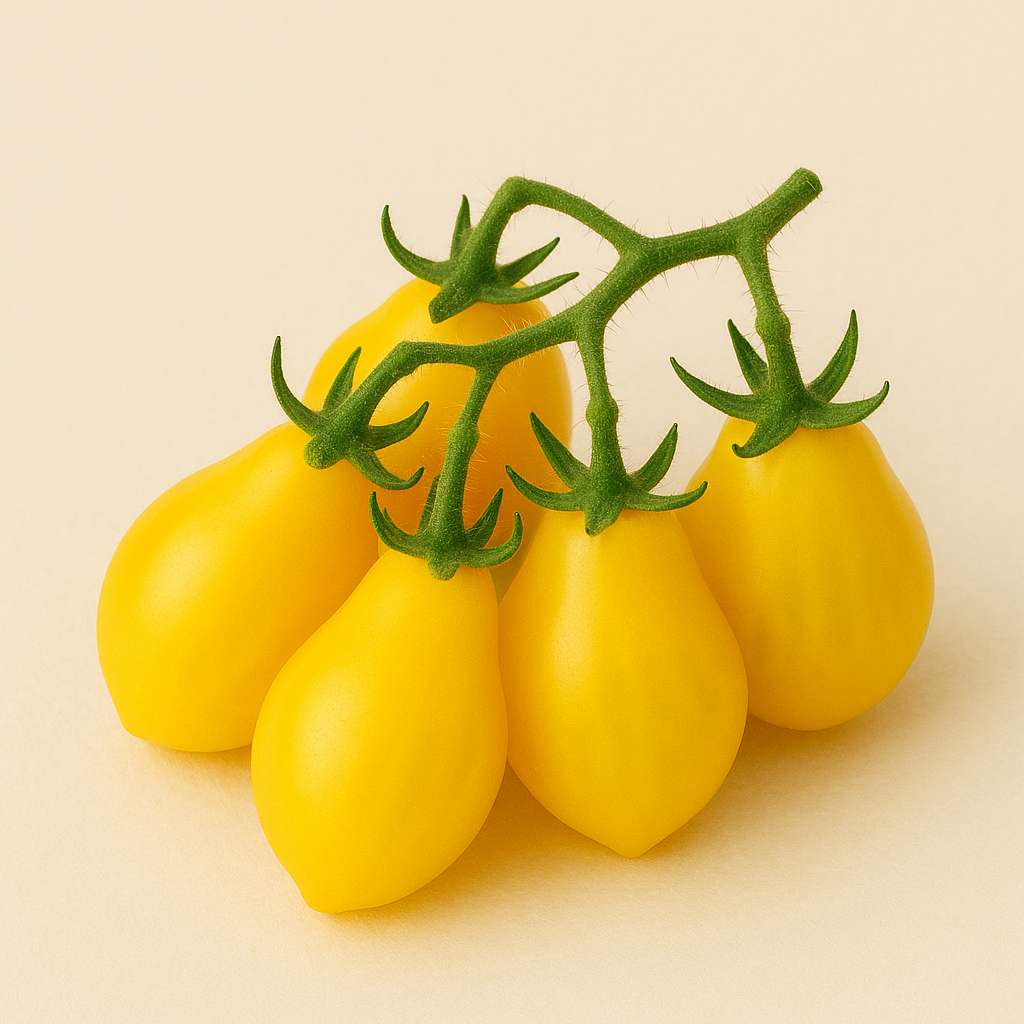
Yellow Pear Tomato
Solanum lycopersicum var. cerasiforme
Family: Solanaceae
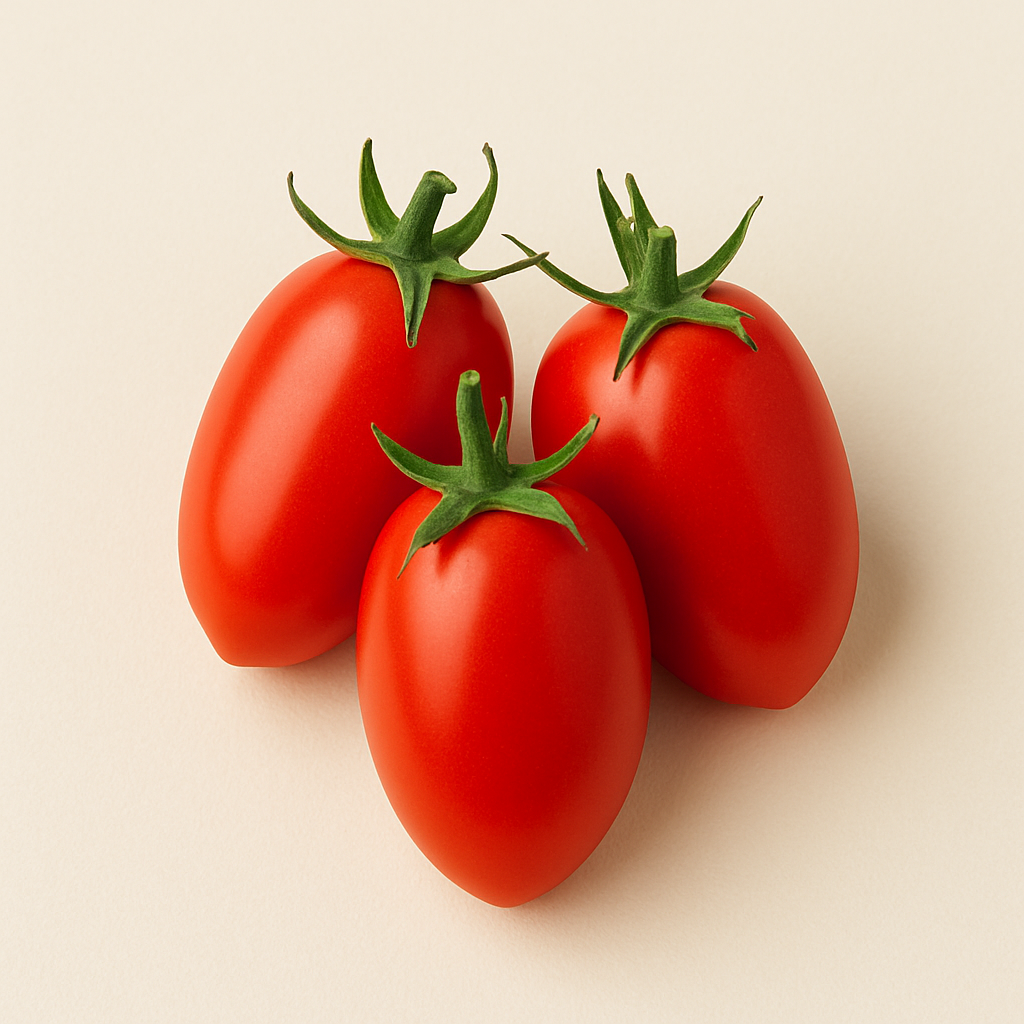
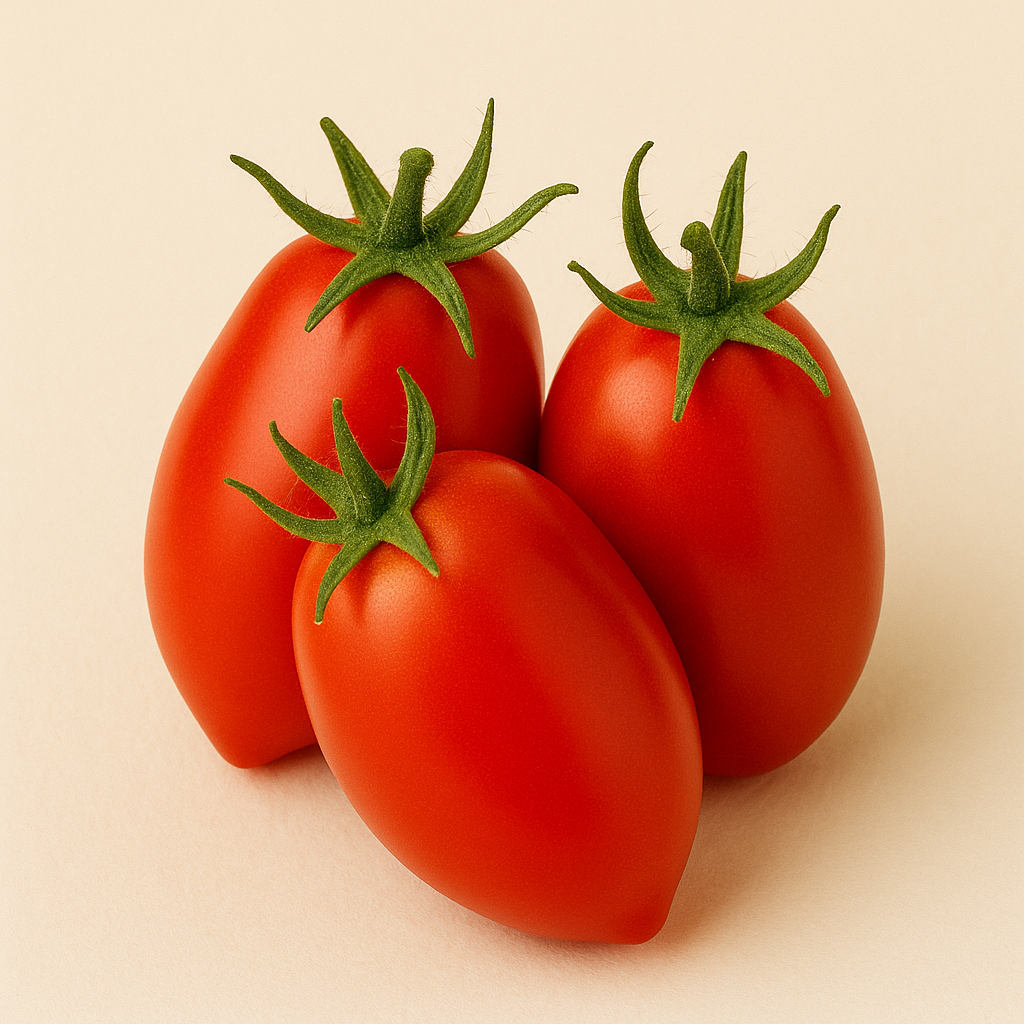
Yellow Pear is a charming heirloom with adorable pear-shaped golden-yellow fruits. Mild, sweet, and incredibly prolific - expect hundreds of tomatoes per plant!
Days to Harvest
75-85 days
Sun Needs
Full Sun (6-8+ hours)
moderate
Germination Temp
75°F optimal
Start Indoors
6 weeks before last frost
Germination
5-10 days
Seed Depth
1/4 inch
Light to Germinate
No
Soil Type
Well-draining soil
pH Range
6 - 6.8
Spacing
30 inches - plants get large
⚠️ Avoid planting near:
History
Yellow Pear is one of the oldest documented tomato varieties still in cultivation, with written references dating back to at least 1805 when it appeared in Bernard M'Mahon's "American Gardener's Calendar," one of the earliest comprehensive gardening guides published in the United States. The variety likely traces its origins even further back to 18th-century Europe, where yellow tomatoes were actually preferred over red ones—Europeans believed the golden fruits were safer to eat, as red was associated with poisonous nightshades. Thomas Jefferson grew yellow pear-shaped tomatoes at Monticello as early as 1789, making it one of the varieties present at the birth of American gardening. The distinctive pear shape has remained remarkably stable over more than two centuries of seed saving, a testament to both the variety's genetic stability and the dedication of countless gardeners who selected for true pear form. During the 19th and early 20th centuries, Yellow Pear was primarily grown as an ornamental and for making preserves, as its mild flavor and low acidity made it ideal for sweet tomato conserves and jams. The variety experienced a renaissance during the heirloom tomato revival of the 1980s and 1990s, when gardeners rediscovered its charming appearance and exceptional productivity. Today, Yellow Pear remains beloved for its whimsical shape that delights children and its ability to produce hundreds of fruits per plant, often overwhelming gardeners with its generous harvest.
Nutritional Benefits
- ✓Lower acidity
- ✓Good Vitamin C
- ✓Contains beta-carotene
Optimal Growing Temp
70°F - 85°F
Yellow Pear thrives at 70-85°F. Good heat tolerance for an heirloom. Plants continue producing through summer heat.
Survival Range
55°F - 95°F
Can survive these temperatures
Frost Note: Frost-sensitive like all tomatoes. Protect from temperatures below 50°F.
Best USDA Zones
Humidity
40-70%
Good disease resistance for an heirloom. Performs well in various humidity levels.
Height
6-10 feet
Spread
2-3 feet
Growth Habit
indeterminate
Germination
7-14 days
Seeds germinate at 75-85°F. Heirloom variety with good germination rates.
Seedling Stage
Duration: 4-5 weeks
True leaves: First true leaves 7-14 days after sprouting
Transplant ready: Ready when 5-6 inches tall.
Vegetative Growth
Duration: 5-6 weeks after transplant
Very vigorous growth—plants can reach 10 feet. Provide tall support early.
Flowering
Timing: 5-6 weeks after transplant
Duration: Continuous throughout season
Self-pollinating. Abundant clusters of small yellow flowers.
Fruit Development
Begins: 2-3 weeks after flowering
Duration: Continuous until frost
Characteristic pear-shaped yellow fruits develop in clusters. Very prolific—prepare for abundance!
Harvest Maturity
Timing: 70-80 days from transplant
- Bright golden yellow color
- Distinctive pear shape fully developed
- Slight softness when pressed
- Sweet, mild aroma
- Easy release from stem
Per Plant
15-25 lbs per plant (hundreds of individual tomatoes)
Per Square Foot
5-10 lbs per square foot
Harvest Frequency
Every 2-3 days during peak production
Factors Affecting Yield
- •Extremely prolific—one of the most productive heirlooms
- •Regular harvesting encourages more production
- •Vigorous plants can produce for months
- •Seeds can be saved for future years
Seedling Stage
Keep moist
Established Plants
1-1.5 inches per week
During Fruiting
Consistent moisture
Preferred Method
Drip irrigation or soaker hoses. Water at base of plants.
⚠️ Critical Watering Periods
- • Flowering
- • Fruit development
Pro Tips
- Consistent watering produces the mild, sweet flavor Yellow Pear is known for
- Mulch to maintain soil moisture
- Less sensitive to water fluctuations than some heirlooms
Feeding Schedule
At Planting
Compost + balanced fertilizer
Once
Fruit Production
Tomato fertilizer
Every 2-3 weeks
Organic Options
Regular compost applications support the prolific production.
Minimum Size
10 gallon
Recommended Size
15-20 gallon for best results
Depth Required
At least 18 inches
Best Varieties for Containers
Container Tips
- Yellow Pear grows vigorously—needs large containers
- Very tall growth requires sturdy, tall support
- Prolific production rewards container effort
- The charming pear shape delights balcony gardeners
Support Type
Tall cage or strong stake
Height Needed
7-8+ feet
When to Install
At transplanting
Method
Can be caged with multiple stems or single-stem trained. The vigorous growth requires robust support.
Tips
- Yellow Pear grows TALL—plan for 8-10 feet
- Concrete reinforcing wire cages work better than standard cages
- Multiple heavy fruit clusters need good support
Why Prune
When
As needed
How Often
Check occasionally
Technique
Remove suckers below first cluster if desired. Many gardeners let Yellow Pear grow freely.
Remove
- ✗ Lower suckers (optional)
- ✗ Ground-touching leaves
Keep
- ✓ Multiple stems produce more fruit
- ✓ Natural bushy growth