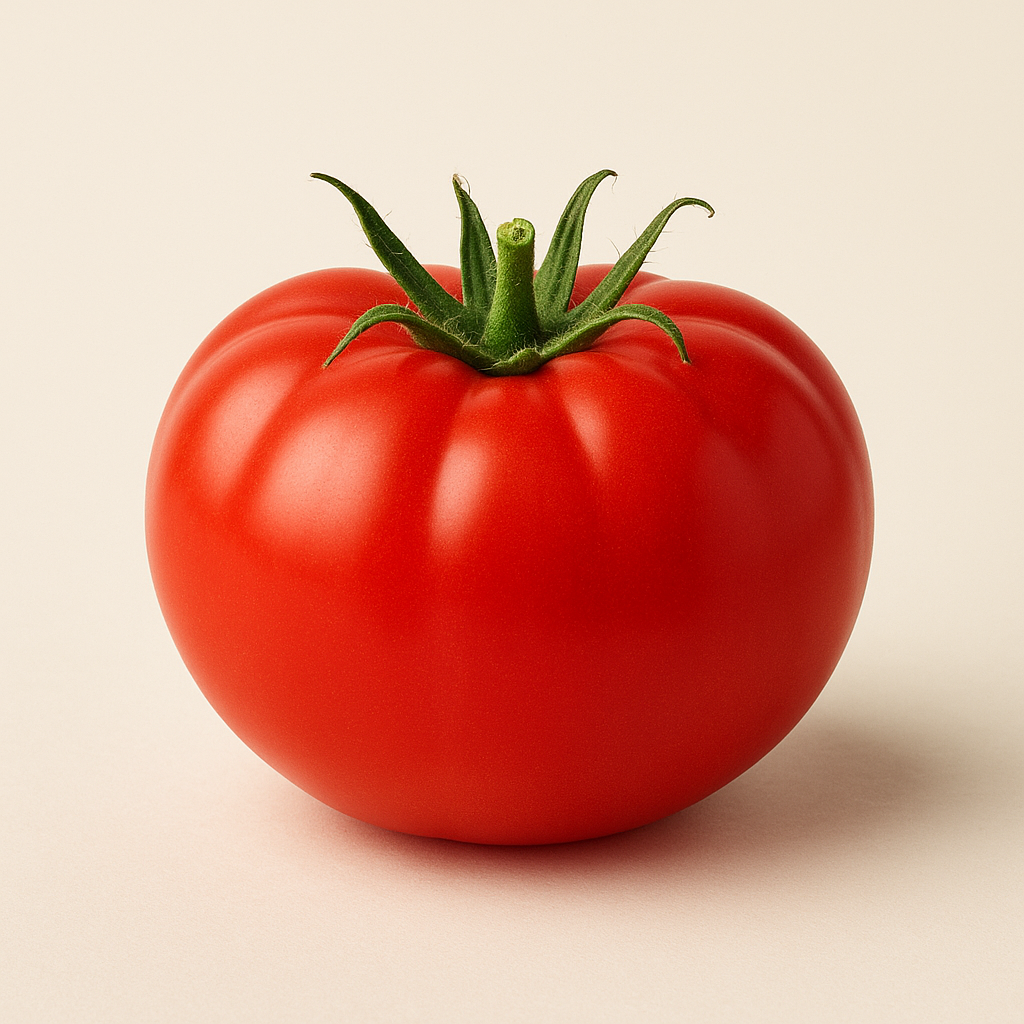
Beefsteak Tomato
Solanum lycopersicum
Family: Solanaceae
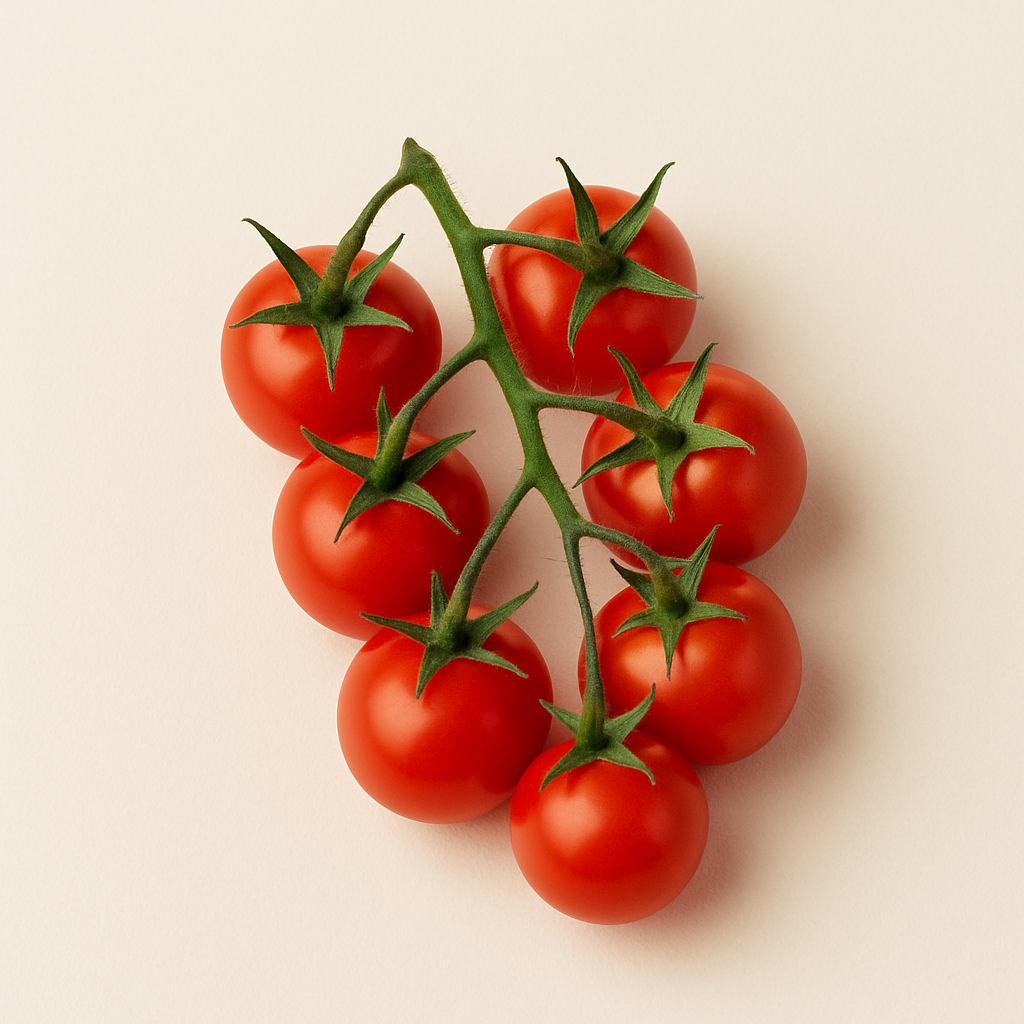
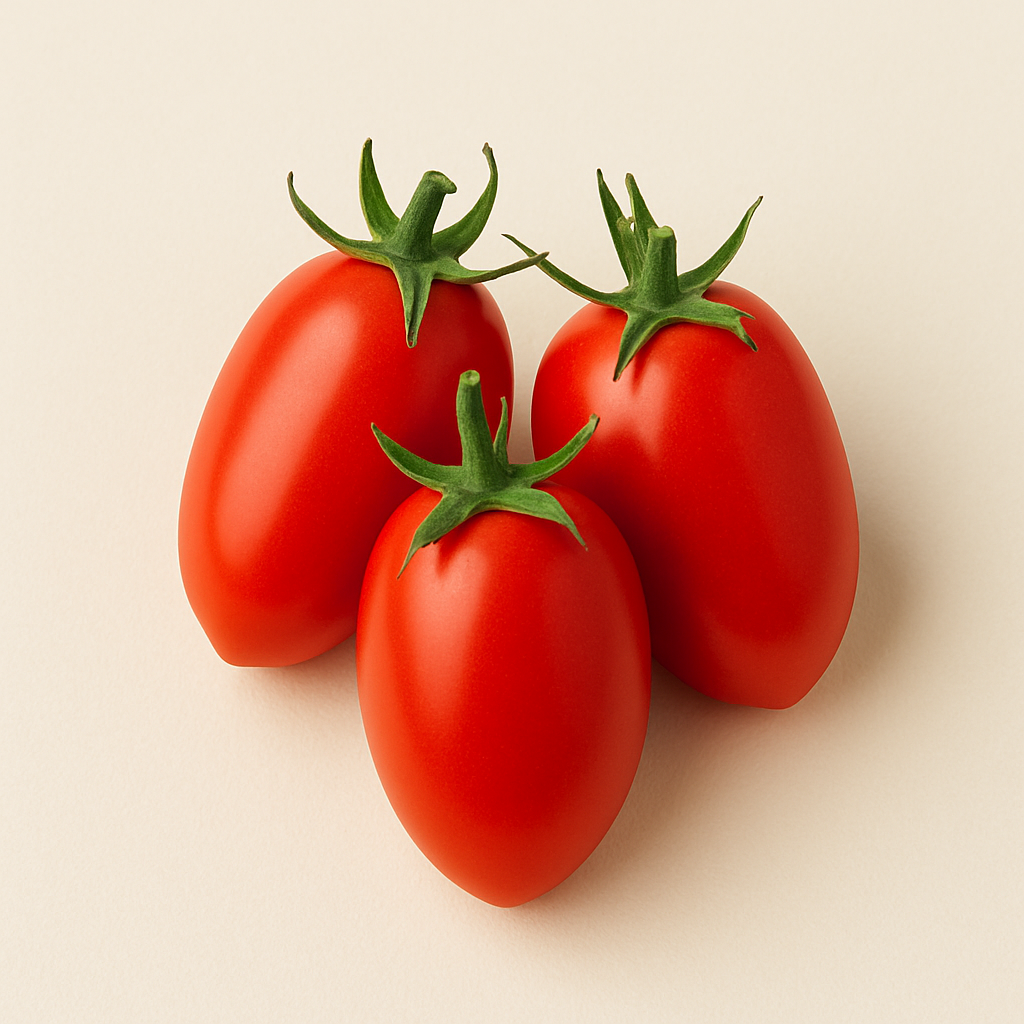
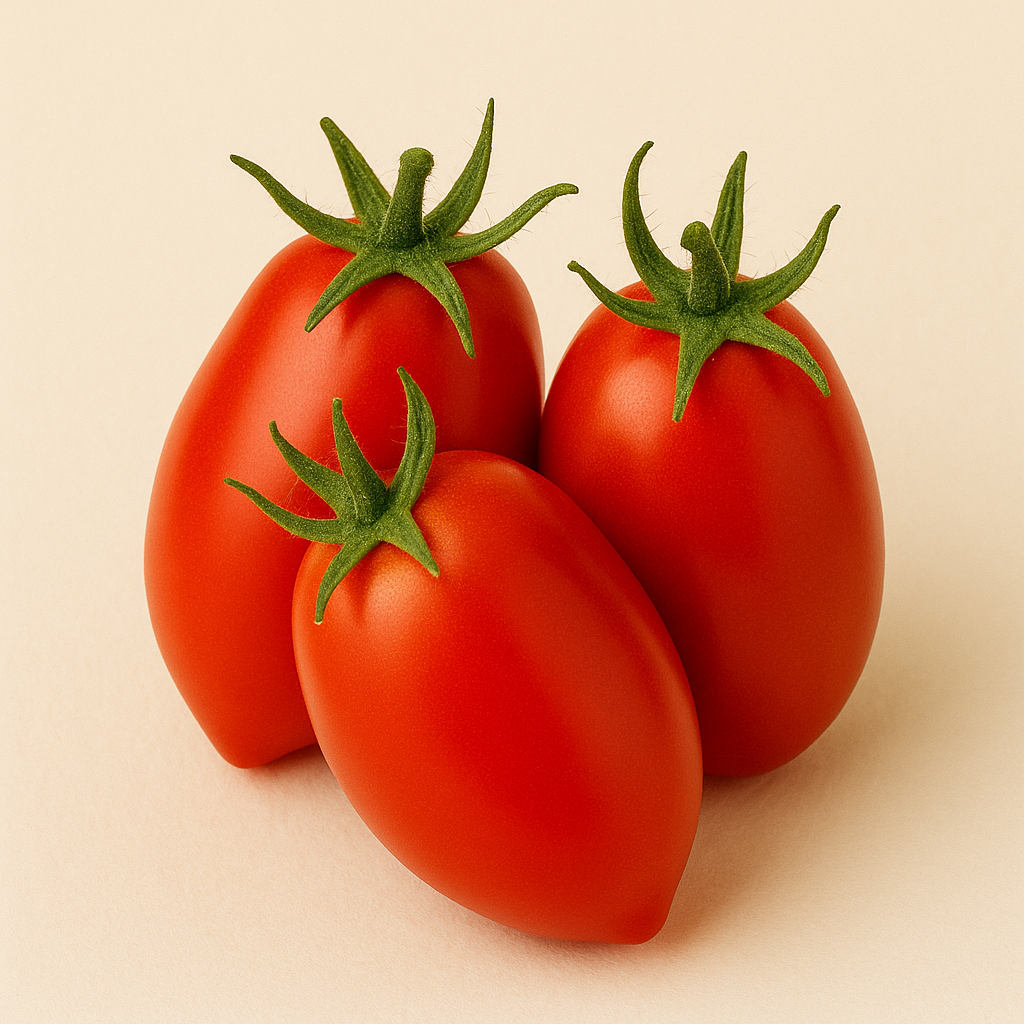
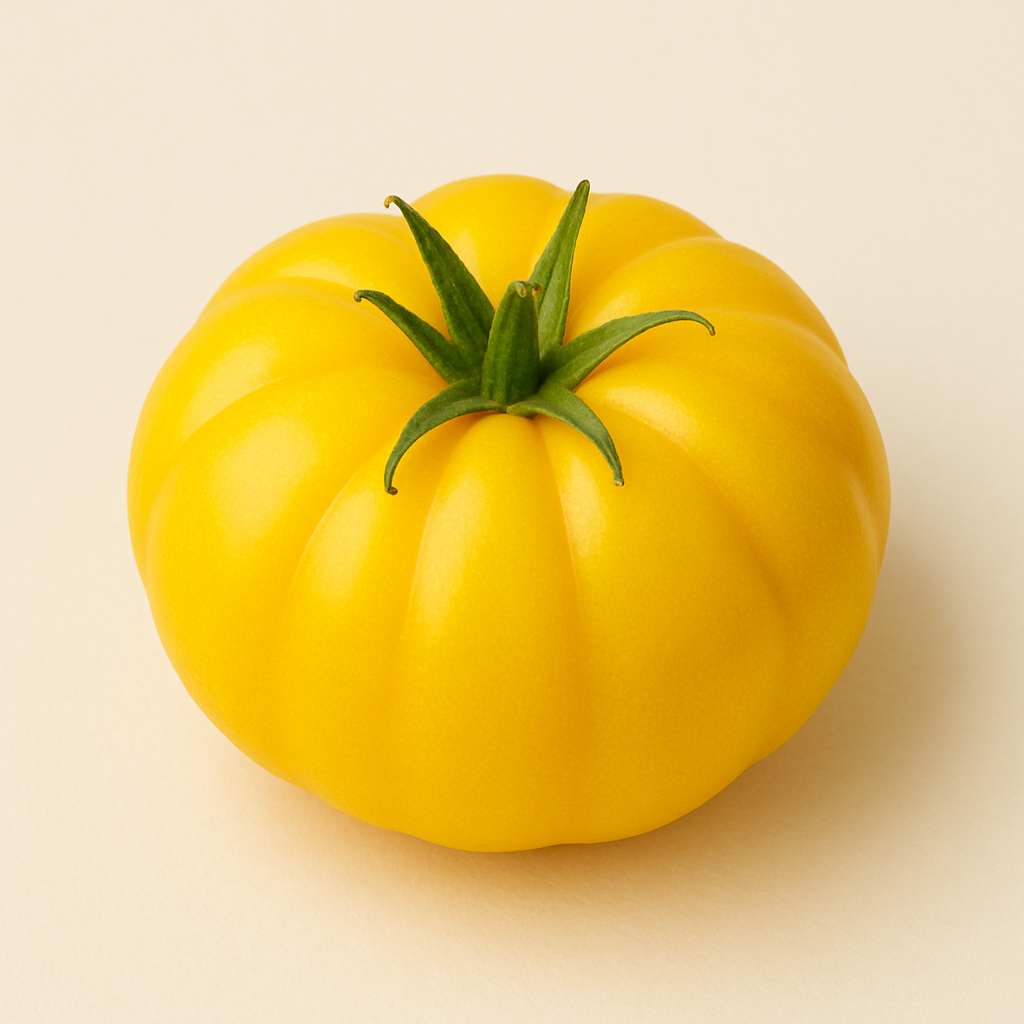
Beefsteak tomatoes are large, meaty slicing tomatoes known for their classic tomato flavor. These indeterminate plants produce fruits weighing 1-2 pounds each, perfect for sandwiches, burgers, and fresh eating.
Days to Harvest
80-100 days
Sun Needs
Full Sun (6-8+ hours)
moderate
Germination Temp
75°F optimal
Start Indoors
8 weeks before last frost
Germination
5-10 days
Seed Depth
1/4 inch
Light to Germinate
No
💡 Tip: Bottom heat speeds germination. Keep soil consistently moist but not waterlogged.
Soil Type
Rich, well-draining soil with plenty of organic matter
pH Range
6 - 6.8
Spacing
24-36 inches between plants, 36-48 inches between rows
⚠️ Avoid planting near:
History
The tomato's journey began over 7,000 years ago in the Andes Mountains of South America, where wild cherry-sized tomatoes grew. The Aztecs and other Mesoamerican peoples were the first to cultivate larger varieties around 500 BCE, calling them "tomatl" in Nahuatl. Spanish conquistadors brought tomatoes to Europe in the early 1500s, where they were initially grown as ornamental curiosities—many Europeans believed them poisonous due to their relation to deadly nightshade. Italians were among the first Europeans to embrace the tomato culinarily in the late 1600s, calling it "pomodoro" (golden apple). The beefsteak type specifically emerged through selective breeding in America during the 1800s, with gardeners selecting for size and meatiness. The Brandywine variety, developed by Amish farmers in the 1880s, became the template for modern beefsteaks. Today, beefsteak tomatoes remain the quintessential slicing tomato, celebrated for their substantial size and rich, balanced flavor that defines what most people consider "true tomato taste."
Nutritional Benefits
- ✓High in lycopene, a powerful antioxidant linked to reduced cancer risk and heart health
- ✓Excellent source of Vitamin C, providing about 28% of daily needs per medium tomato
- ✓Contains Vitamin K essential for bone health and blood clotting
Optimal Growing Temp
70°F - 85°F
Active growth occurs between 65-85°F. Growth slows below 55°F and above 90°F. Night temperatures between 60-70°F are ideal for fruit set.
Survival Range
50°F - 95°F
Can survive these temperatures
Frost Note: Beefsteak tomatoes are very frost-sensitive. Even temperatures below 40°F can cause cold damage and stunted growth. Protect plants if temperatures drop below 50°F.
Best USDA Zones
Humidity
40-70%
Moderate humidity is preferred. High humidity (>80%) increases disease risk, especially fungal infections like early blight and late blight. In humid climates, ensure excellent air circulation.
Height
6-10 feet
Spread
2-4 feet
Growth Habit
indeterminate
Germination
5-10 days
Seeds germinate best at 75-85°F soil temperature. Use a heat mat for consistent warmth. First sprouts emerge pushing through soil surface.
Seedling Stage
Duration: 3-4 weeks
True leaves: First true leaves appear 10-14 days after sprouting
Transplant ready: Ready when 4-6 inches tall with 4-6 true leaves. Begin hardening off process before transplanting outdoors.
Vegetative Growth
Duration: 4-6 weeks after transplant
Rapid growth phase with vigorous leaf and stem development. Plants establish strong root systems and build the framework needed to support heavy fruit loads.
Flowering
Timing: 6-8 weeks after transplant
Duration: Continuous throughout season
Indeterminate beefsteaks flower continuously. Yellow flowers appear in clusters. Pollination primarily occurs through wind and vibration. Gently shake plants or tap flower clusters to aid pollination.
Fruit Development
Begins: 40-60 days after first flowers
Duration: 6-8 weeks from flower to ripe fruit
Fruits develop from pollinated flowers and grow to full size over 6-8 weeks. Color change (breaker stage) indicates ripening has begun and the fruit can be harvested.
Harvest Maturity
Timing: 80-100 days from transplant
- Fruits are fully colored (red, pink, or variety-appropriate color)
- Slight give when gently squeezed
- Fruits release easily from vine with a gentle twist
- Glossy appearance with no green shoulders
Per Plant
10-20 lbs per plant
Per Square Foot
4-8 lbs per square foot
Harvest Frequency
Every 2-3 days at peak season
Factors Affecting Yield
- •Variety selection - some beefsteaks are more productive than others
- •Proper support and training - maximizes light exposure and air circulation
- •Consistent watering - prevents stress that reduces fruit set
- •Adequate fertilization - supports continuous production
- •Disease management - healthy plants produce more fruit
- •Length of growing season - longer seasons mean more harvests
Seedling Stage
Keep consistently moist but not waterlogged
Established Plants
1-2 inches per week, deep watering every 3-5 days
During Fruiting
Consistent moisture critical - avoid fluctuations to prevent blossom end rot
Preferred Method
Drip irrigation or soaker hoses are ideal. Water at the base of plants to keep foliage dry and prevent disease. Avoid overhead watering.
⚠️ Critical Watering Periods
- • Flowering
- • Fruit set
- • Fruit development
Pro Tips
- Water early morning to reduce evaporation
- Mulch heavily to retain moisture
- Reduce watering slightly as fruits ripen for better flavor
Feeding Schedule
At Planting
Balanced slow-release + bone meal
Once
First Flowers
Balanced 10-10-10
Once, side-dress
Fruit Set
Low-nitrogen 5-10-10
Every 2-3 weeks
Peak Production
Tomato fertilizer + calcium if needed
Every 2-3 weeks
Organic Options
Side-dress with compost monthly. Apply fish emulsion every 2 weeks during vegetative growth. Add bone meal at planting for phosphorus.
Minimum Size
10 gallon minimum
Recommended Size
15-20 gallon for full-sized beefsteak varieties
Depth Required
At least 18 inches deep
Best Varieties for Containers
Container Tips
- Use light-colored pots or wrap in reflective material to prevent overheating
- Daily watering often required in hot weather - consider self-watering containers
- Heavier fertilizing needed as nutrients wash out with frequent watering
- Very sturdy support required - stake or cage before planting
- Position containers where they receive at least 8 hours of direct sun
- Elevate containers for drainage and air circulation
Support Type
Tomato cage, heavy-duty stake, or string trellis system
Height Needed
6-8 feet tall
When to Install
Install at transplanting to avoid root damage
Method
Tie main stem to support using soft ties or tomato clips as plant grows. For stakes, prune to 1-2 main stems. For cages, allow 4-6 stems to develop.
Tips
- Install support at transplanting to avoid root damage later
- Use soft ties or clips to avoid stem damage
- Check ties regularly and loosen as stems thicken
- Prune to 1-2 main stems for easier training on stakes/strings
- Allow 4-6 main stems for cage growing
Why Prune
When
Throughout growing season, starting when suckers are 2-4 inches
How Often
Check weekly during active growth
Technique
Pinch or cut the small shoots that grow in the "crotch" between main stem and branches. Remove suckers below the first flower cluster; above that, leave some for more fruit or remove for earlier ripening.
Remove
- ✗ Suckers below the first flower cluster
- ✗ Leaves that touch the ground
- ✗ Leaves below the lowest fruit cluster
- ✗ Growing tip 30-45 days before frost
Keep
- ✓ Main stem(s)
- ✓ 2-4 suckers above first flower cluster for more fruit
- ✓ Leaves above fruit clusters for photosynthesis
Plant Every
2-3 weeks
Sowings/Season
2-3 plantings in most climates
Duration
From last frost until 90 days before first frost
Tips
- Start a second batch 2-3 weeks after first sowing
- Provides backup if early transplants fail
- Extends harvest season
- In long-season areas, can make 3 succession plantings
Why are my tomato leaves curling?
Leaf curl has many causes: 1) Heat stress - common in temperatures above 85°F, leaves protect themselves by reducing sun exposure. 2) Inconsistent watering - both over and under-watering cause curl. 3) Herbicide drift - 2,4-D from lawn treatments causes dramatic curling. 4) Viral infection - if accompanied by mottling or stunting. Heat and water stress are most common and plants usually recover.
How do I prevent blossom end rot?
Blossom end rot is caused by calcium deficiency in the fruit, usually due to inconsistent watering rather than lack of soil calcium. Solutions: 1) Water deeply and consistently - never let plants wilt. 2) Mulch heavily to maintain even soil moisture. 3) Avoid excessive nitrogen fertilization. 4) Don't damage roots when cultivating. Adding calcium to soil rarely helps since it's a water uptake issue.
Should I remove all suckers from beefsteak tomatoes?
Not necessarily. For maximum fruit size, remove all suckers below the first flower cluster and keep 2-4 main stems above. Completely removing all suckers limits yield. Let 2-4 suckers above the first cluster develop into fruiting branches. In short-season areas, more aggressive pruning encourages earlier ripening.
Why are my tomato flowers dropping off without forming fruit?
Blossom drop is usually caused by temperature stress. Tomatoes won't set fruit when night temperatures are below 55°F or above 75°F, or when day temperatures exceed 95°F. Other causes include: drought stress, over-fertilization with nitrogen, heavy fruit load (plant sheds new blossoms), or lack of pollination. Wait for temperatures to moderate; plants will usually resume setting fruit.
When is the best time to pick beefsteak tomatoes?
For best flavor, pick when fully colored and slightly soft to the touch. The fruit should release easily with a gentle twist. You can also pick at "breaker stage" (first color showing) and ripen indoors - this protects from pests and cracking. Never refrigerate tomatoes; store at room temperature stem-side down.
How long will beefsteak tomato plants produce?
Indeterminate beefsteak tomatoes produce continuously from first ripe fruit until frost kills the plant. With proper care (regular watering, feeding, and pest management), expect 2-3 months of harvest. In frost-free areas, plants can live and produce for 2-3 years, though production decreases after the first year.