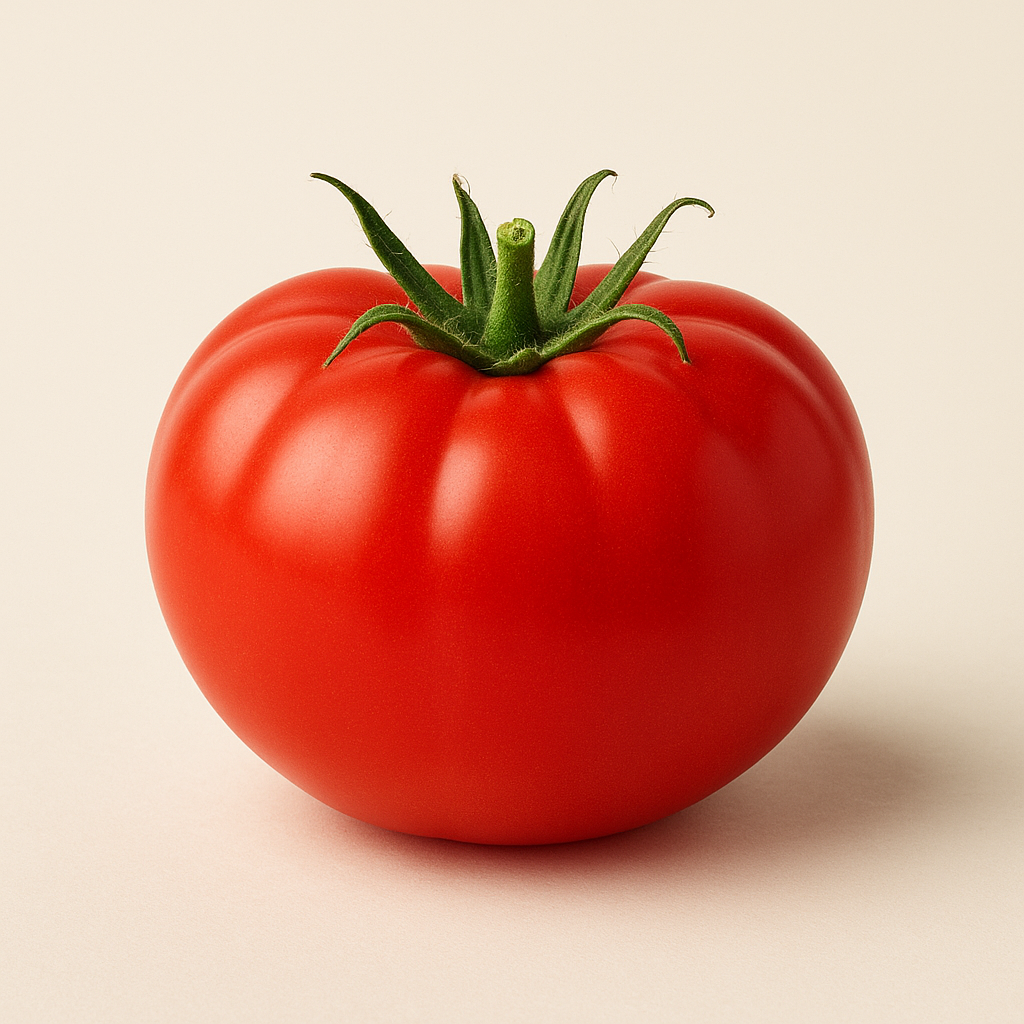
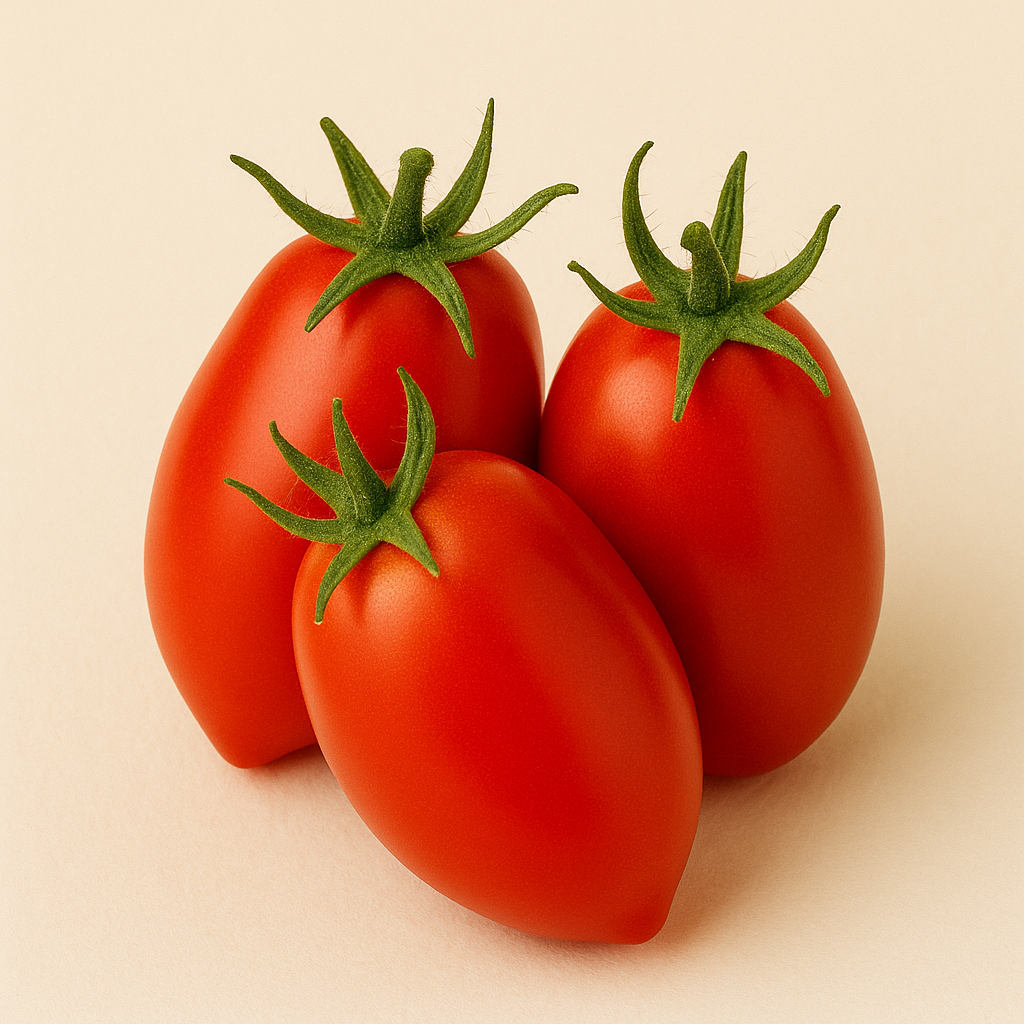
San Marzano Tomato
Solanum lycopersicum
Family: Solanaceae
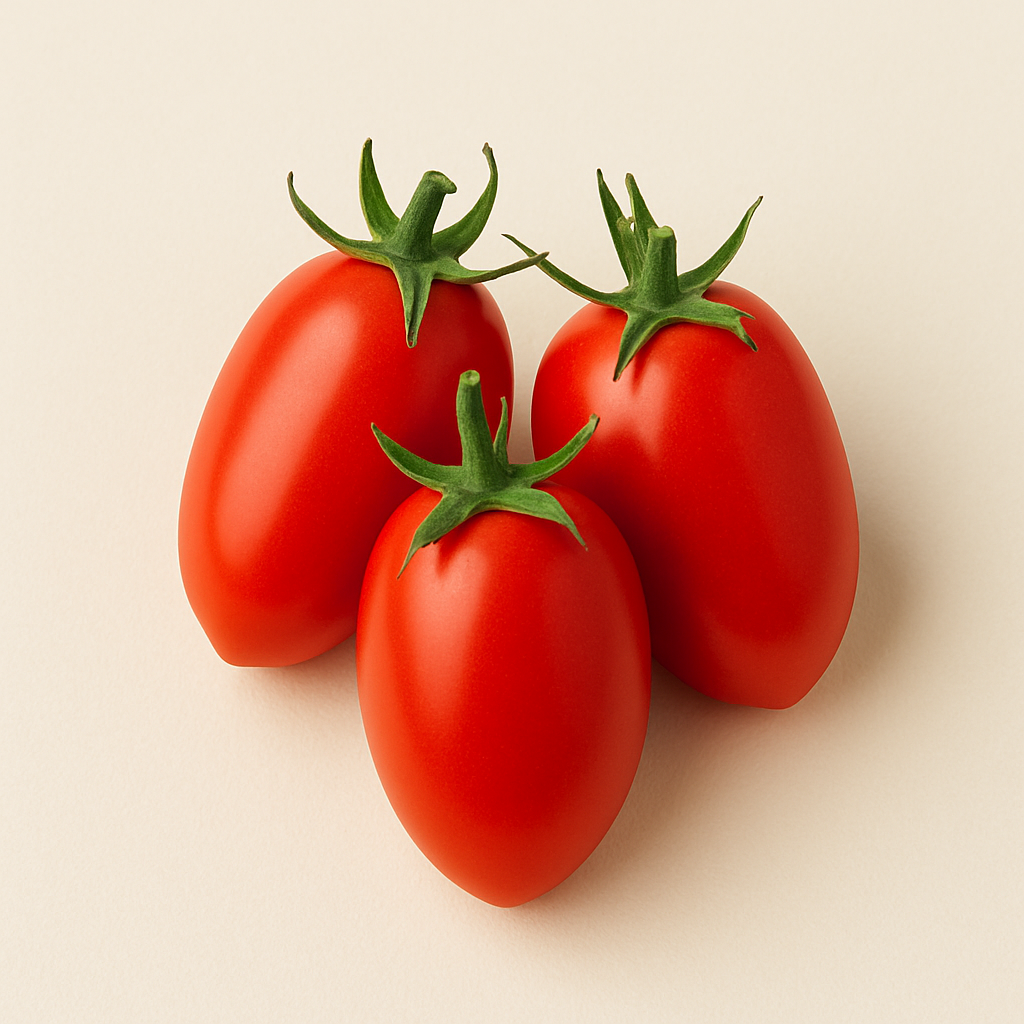
San Marzano tomatoes are considered the gold standard for Italian sauce. These elongated plum tomatoes have thick walls, few seeds, and an intensely sweet, rich flavor that makes the best marinara.
Days to Harvest
78-85 days
Sun Needs
Full Sun (6-8+ hours)
moderate
Germination Temp
75°F optimal
Start Indoors
8 weeks before last frost
Germination
7-14 days
Seed Depth
1/4 inch
Light to Germinate
No
Soil Type
Rich, well-draining soil
pH Range
6 - 6.8
Spacing
24-36 inches between plants
⚠️ Avoid planting near:
History
The legendary San Marzano tomato traces its origins to the fertile volcanic slopes near Mount Vesuvius in the Campania region of Italy, where it was first cultivated in the town of San Marzano sul Sarno in the early 18th century. According to local legend, the first seeds were a gift from the Viceroy of Peru to the Kingdom of Naples in 1770, though historical evidence suggests plum tomatoes were already being grown in the region decades earlier. What made San Marzano unique was the terroir—the mineral-rich volcanic soil, Mediterranean climate, and careful cultivation methods passed down through generations of Italian farmers created a tomato with unmatched sweetness and low acidity. By the 1900s, San Marzano had become synonymous with authentic Italian cuisine, and in 1996 it received DOP (Denominazione di Origine Protetta) certification from the European Union, meaning only tomatoes grown in the designated 41 square kilometers near Vesuvius can legally be labeled "San Marzano dell'Agro Sarnese-Nocerino." This protection arose because the tomato's fame led to widespread counterfeiting—studies have shown that over 95% of cans labeled "San Marzano" in American supermarkets are not authentic DOP tomatoes. True San Marzano tomatoes remain the secret ingredient behind the world's finest pizza and pasta sauces.
Nutritional Benefits
- ✓High in lycopene
- ✓Rich in Vitamin C
- ✓Good source of potassium
Optimal Growing Temp
70°F - 85°F
San Marzanos prefer warm, stable temperatures between 70-85°F. They are sensitive to temperature fluctuations and require consistent warmth for optimal fruit development. Originally from the volcanic soils near Mount Vesuvius, they appreciate heat.
Survival Range
55°F - 95°F
Can survive these temperatures
Frost Note: Very frost-sensitive. Requires warm conditions throughout the growing season. Not suitable for cold, short-season areas unless grown in greenhouses.
Best USDA Zones
Humidity
40-60%
Moderate humidity preferred. San Marzanos are more susceptible to diseases in high humidity. Good air circulation is essential for this variety.
Height
5-7 feet
Spread
2-3 feet
Growth Habit
indeterminate
Germination
7-14 days
San Marzano seeds germinate slightly slower than hybrid tomatoes. Optimal germination at 75-85°F. Seeds may be less uniform than modern hybrids.
Seedling Stage
Duration: 4-5 weeks
True leaves: First true leaves appear 10-14 days after sprouting
Transplant ready: Ready when 6-8 inches tall with sturdy stem and 6+ true leaves. San Marzano seedlings benefit from longer indoor growing period.
Vegetative Growth
Duration: 5-6 weeks after transplant
Vigorous indeterminate growth. Plants develop characteristic potato-leaf foliage. Strong support system should be installed during this phase.
Flowering
Timing: 6-8 weeks after transplant
Duration: Continuous throughout season
Self-pollinating. Flowers benefit from gentle shaking or tapping to improve pollination. Cooler morning temperatures aid fruit set.
Fruit Development
Begins: 3-4 weeks after flowering
Duration: Continuous until frost
Elongated plum-shaped fruits develop over 4-6 weeks. Fruits should be allowed to fully ripen on vine for best sauce flavor.
Harvest Maturity
Timing: 80-90 days from transplant
- Deep red color throughout—no green or yellow patches
- Characteristic elongated shape with pointed tip
- Firm flesh that gives slightly when pressed
- Easily releases from stem
- Rich tomato aroma
Per Plant
10-20 lbs per plant
Per Square Foot
4-8 lbs per square foot
Harvest Frequency
Every 3-5 days during peak production
Factors Affecting Yield
- •Long growing season required for maximum production
- •Consistent watering critical for fruit quality
- •Disease pressure significantly affects yield
- •Proper support allows plant to maximize production
- •Hot, humid conditions reduce fruit set
Seedling Stage
Keep consistently moist but not waterlogged
Established Plants
1-2 inches per week, consistent watering essential
During Fruiting
Critical to maintain consistent moisture—uneven watering causes blossom end rot and poor fruit quality
Preferred Method
Drip irrigation highly recommended. Water at base of plants. Morning watering preferred. San Marzanos are particularly sensitive to watering inconsistency.
⚠️ Critical Watering Periods
- • Flowering
- • Fruit set
- • Fruit development
Pro Tips
- PRO TIP: Consistent watering is the #1 factor for San Marzano success
- Install drip irrigation for best results—these plants are fussy about water
- Heavy mulching helps maintain soil moisture
- Slightly reduce water as fruits ripen for concentrated flavor
Feeding Schedule
At Planting
Balanced fertilizer + calcium (bone meal or gypsum)
Once
First Flowers
5-10-10 or tomato fertilizer
Once
Fruit Production
Low-nitrogen tomato blend
Every 2-3 weeks
Organic Options
San Marzanos grown in volcanic soil in Italy—try adding small amounts of rock dust or volcanic ash for trace minerals. Compost tea biweekly during production.
Minimum Size
10 gallon minimum
Recommended Size
15-20 gallon for best results
Depth Required
At least 18 inches deep
Best Varieties for Containers
Container Tips
- San Marzanos can be grown in large containers but require more care than determinate types
- Indeterminate growth means continuous watering and feeding throughout season
- Strong support essential—these plants get tall and heavy
- Consider self-watering containers to maintain consistent moisture
- Position in warmest, sunniest location available
Support Type
Sturdy stake, heavy-duty cage, or string trellis
Height Needed
6-7 feet tall
When to Install
Install at transplanting
Method
Single-stem training up a stake or string is traditional in Italy. Can also be caged with regular sucker removal. The heavy fruit clusters need support to prevent breakage.
Tips
- San Marzanos produce heavy fruit clusters—support is critical
- Traditional Italian growing uses single-stem training
- Tie plants to supports every 8-12 inches as they grow
- Consider Florida weave for multiple plants in rows
- Fruit clusters may need individual sling support at peak production
Why Prune
When
Start when plants are 12-18 inches tall, continue throughout season
How Often
Check and prune weekly during active growth
Technique
Traditional Italian method: Train to single stem by removing all suckers. Modern approach: Allow 2-3 main stems by keeping suckers below first flower cluster. Remove all leaves below lowest fruit cluster.
Remove
- ✗ Suckers (especially below first flower cluster)
- ✗ Leaves touching the ground
- ✗ Lower leaves as plant grows taller
- ✗ Any diseased or yellowing foliage
Keep
- ✓ Main stem(s)
- ✓ 2-3 suckers above first flower cluster if training to multiple stems
- ✓ Leaves shading developing fruit from intense sun
Why are San Marzano tomatoes considered the best for sauce?
San Marzanos have: 1) Thick, meaty flesh with less water than other tomatoes. 2) Few seeds and small seed cavities. 3) Lower acidity and higher natural sugars. 4) Rich, complex flavor that concentrates when cooked. 5) Easy-to-remove skin after blanching. 6) The flesh breaks down into smooth, velvety sauce without straining. Authentic DOP San Marzanos grown in Italian volcanic soil have protected status, but home-grown San Marzanos still produce excellent sauce.
Are my San Marzano seeds authentic?
True DOP (Protected Designation of Origin) San Marzano tomatoes come only from the San Marzano region of Italy, and authentic seeds are tightly controlled. Most seeds sold in the US are San Marzano-type or derived varieties. They still produce excellent sauce tomatoes but may not be genetically identical to Italian originals. Look for reputable seed companies and read reviews. Open-pollinated varieties can be saved for replanting.
Why are my San Marzanos getting blossom end rot?
San Marzanos are particularly susceptible to blossom end rot due to their elongated shape. Causes: 1) Inconsistent watering—the #1 cause. 2) Calcium deficiency (usually due to water uptake issues, not soil lack). 3) Over-fertilizing with nitrogen. Solutions: Water consistently, mulch heavily, add calcium at planting (eggshells, gypsum), avoid high-nitrogen fertilizers during fruiting. Remove affected fruits—they won't recover.
How do I know when San Marzanos are ripe?
Ripe San Marzanos: 1) Deep red color throughout—no green or yellow patches. 2) Firm but with slight give when gently pressed. 3) Characteristic pointed tip at blossom end. 4) Strong tomato aroma at stem end. 5) Releases easily from vine. For sauce, harvest fully ripe. Fruits can be picked slightly early and ripened indoors, but vine-ripened have superior flavor for sauce-making.
Can I grow San Marzanos in containers?
Yes, but San Marzanos require large containers (15-20 gallons minimum) and consistent care. Being indeterminate, they grow tall (5-7 feet) and produce continuously, requiring sturdy support, regular watering, and ongoing feeding. They are more challenging in containers than determinate Romas. Consider dwarf varieties like San Marzano Nano if space is limited. Self-watering containers help maintain the consistent moisture these plants demand.